
Rural BC communities invited to help shape the outdoor recreation economy
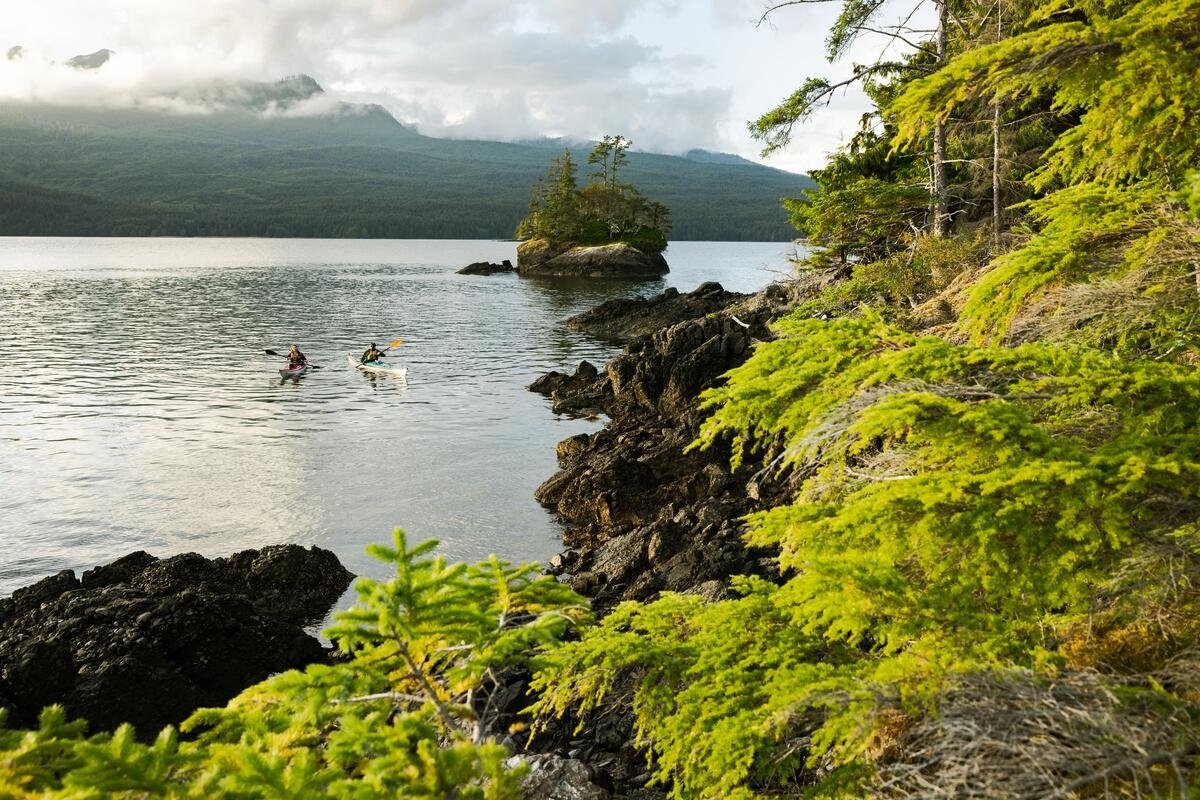
Image: Northern BC Tourism & Shayd Johnson
Many rural communities in British Columbia already have the ingredients for a strong outdoor recreation economy: trails and waterways, active clubs, local businesses, skilled people, and a culture that draws people to live, work and visit.
Now, the Outdoor Recreation Council of BC (ORCBC) and Selkirk Innovates want to help a small number of communities ask a bigger question: what can we do with all of that potential?
Through Trails, Towns, Talent: Building BC’s Rural Outdoor Economy, ORCBC and Selkirk Innovates invite expressions of interest from rural B.C. communities and regions that want to identify how outdoor recreation can support local businesses, entrepreneurship, workforce development, and economic diversification.
The project is funded through the Province of B.C.’s Rural Economic Development and Infrastructure Program (REDIP).
It is the second collaboration between ORCBC and Selkirk Innovates, building on previous work together to better understand how outdoor recreation can contribute to rural and regional economic development.
The project also comes at a timely moment. New provincial data released this month shows that outdoor recreation contributed $6.6 billion in real GDP and supported about 86,000 jobs in British Columbia in 2024, providing the clearest picture yet of the size of the province’s outdoor recreation economy.
“We know outdoor recreation is already a big part of life in many rural communities,” said Louise Pedersen, Executive Director of ORCBC. “This project is about looking beyond the trailhead. How can recreation help create stronger businesses, attract and retain people, and build more resilient local economies?”
The project is looking for four to five case study regions that already have outdoor recreation assets and activity, such as trails, waterways, recreation sites, snowmobile areas or mountain biking networks, along with some level of community collaboration and a shared interest in using outdoor recreation as a way to support their local economy.
That could include a municipality or First Nation working with neighbouring communities or electoral areas around a shared vision for outdoor recreation and economic development.
Rather than focusing primarily on building more trails, campsites or other recreation infrastructure, the project will look at the economy around those assets.
What businesses could grow here? Where are the gaps? What skills or workforce are needed? What opportunities are realistic, and what would it take to move them forward?
ORCBC and Selkirk Innovates will work with participating communities and regions to better understand their existing outdoor recreation economy, identify promising opportunities, assess their feasibility and potential benefits, and develop practical next steps communities can act on.
“Outdoor recreation has real potential to be an economic engine for rural communities,” said Lauren Rethoret, Faculty Researcher at Selkirk Innovates. “We’re looking forward to working with a diverse group of regions to understand what that potential looks like in different places, and then sharing what we learn so other rural communities across B.C. can benefit.”
The case studies will also help build a stronger picture of what rural communities across B.C. need to use outdoor recreation as a tool for local economic development.
Interested in taking part?
If this sounds like a good fit for your community or region, complete an expression of interest by October 10, 2026.
If you have any questions, please reach out to Ximena (ximenalopez@orcbc.ca)