
Recreate responsibly.
B.C.’s outdoors is incredible. Let’s keep it that way. Whether you are hiking, camping, paddling, riding, climbing, skiing or heading into the backcountry, how you recreate matters. A little planning, care and common sense can help protect the places we love, keep wildlife wild and make the outdoors better for everyone.
Image: Steve Shannon Photography

Know before you go
Responsible recreation starts before you leave home.
Check the weather, conditions, closures, fire restrictions and local rules. Make sure your route matches your skills, bring the right gear and let someone know where you are going.
A well-planned adventure is usually a better adventure.
Follow the Camper’s Code
Camping is more fun when everyone does their part.
The Camper’s Code offers nine simple ways to help keep campsites clean, protect wildlife and make sure the people arriving after you have a great experience too.
Learn more
Proudly promoting responsible recreation since 1976.



The basics
Different activities may have different rules, but responsible recreation usually comes down to a few simple things:
Plan ahead. Tread lightly. Respect others. Leave places better than you found them.
ORCBC has promoted responsible outdoor recreation since 1976. These practices help protect access, reduce conflicts and care for the lands and waters that make outdoor recreation possible.
Make it better
Responsible recreation is not only about avoiding harm.
You can also leave a positive mark by:
Picking up litter.
Reporting hazards or damaged infrastructure.
Volunteering with a local recreation or stewardship group.
Joining a trail day or river cleanup.
Supporting organizations that care for outdoor spaces.
Sharing responsible recreation information with others.
A few minutes of effort can make a real difference.
-
Every outdoor adventure in B.C. takes place on the lands and waters of Indigenous Peoples.
Take time to learn whose territory you are visiting. Respect cultural sites, community guidance, closures and areas where access may be restricted.
Remember that these places are not only recreation destinations. They may also be homes, gathering places and areas of deep cultural and spiritual importance.
Travel with humility, curiosity and respect.
Learn more: Indigenous Tourism BC, ORCBC’s Guidance Toolkit for engaging with Indigenous Communities and the First Peoples’ Map of B.C.
-
A good adventure starts before you leave home. Follow AdventureSmart’s three Ts:
Trip planning
Research your destination, review maps and route descriptions, and check for any regulations, permits, closures or restrictions.
Check the weather and be prepared for changing conditions, hazards and emergencies.
Leave a trip plan with someone you trust or use the AdventureSmart Trip Plan app.
Training
Make sure you have the knowledge and skills needed for your activity and destination. Once you are out there, know your limits and be prepared to turn back.
Take the essentials
Bring:
A headlamp and extra batteries
A signalling device
Extra food and water
Extra clothing
A first aid kit
Navigation and communication devices
Even a short outing can take an unexpected turn. Carrying the essentials can make all the difference.
Learn more at Hello BC, BC AdventureSmart and AdventureSmart.
-
A closed gate, trail or road is not an invitation to squeeze past.
Closures may be in place to protect public safety, wildlife, cultural values, sensitive ecosystems, private property or active work areas.
Before heading out:
Check current trail, road and site conditions.
Follow posted signs and seasonal restrictions.
Do not enter private, restricted or reserve lands without permission.
Get permits or authorizations where required.
Leave gates as you found them.
Turning around can be disappointing. Ignoring a closure can put people, wildlife and future access at risk.
-
One spark can change everything.
Before lighting a fire, check current restrictions and confirm that fires are allowed. When conditions are dry or windy, skip the campfire and use a stove instead.
When fires are permitted:
Keep them small.
Never leave them unattended.
Have water and a shovel nearby.
Put the fire out completely.
Make sure the ashes are cold before leaving.
Use extra care with off-road vehicles, machinery and anything else that could create heat or sparks.
Report wildfires, smoke or unattended campfires by calling 1-800-663-5555 or *5555 from a mobile phone.
-
There is no garbage fairy in the backcountry.
Bring home everything you take with you, including food scraps, wrappers, cans, toilet paper and bags of pet waste.
Garbage and food waste can harm wildlife, pollute water and spoil the experience for everyone else.
Leave behind only footprints, and preferably not too many of those either.
-
Mud, seeds, plants and tiny aquatic organisms can travel surprisingly far on boots, hooves, bikes, boats, vehicles, clothing and pets.
Before leaving an area:
Clean dirt and plant material from your gear.
Drain and dry boats and paddling equipment.
Do not move firewood between regions.
Check pets, footwear and clothing for seeds.
Use certified weed-free feed when travelling with horses or pack animals.
Clean. Drain. Dry.
Small actions can prevent big ecological problems.
-
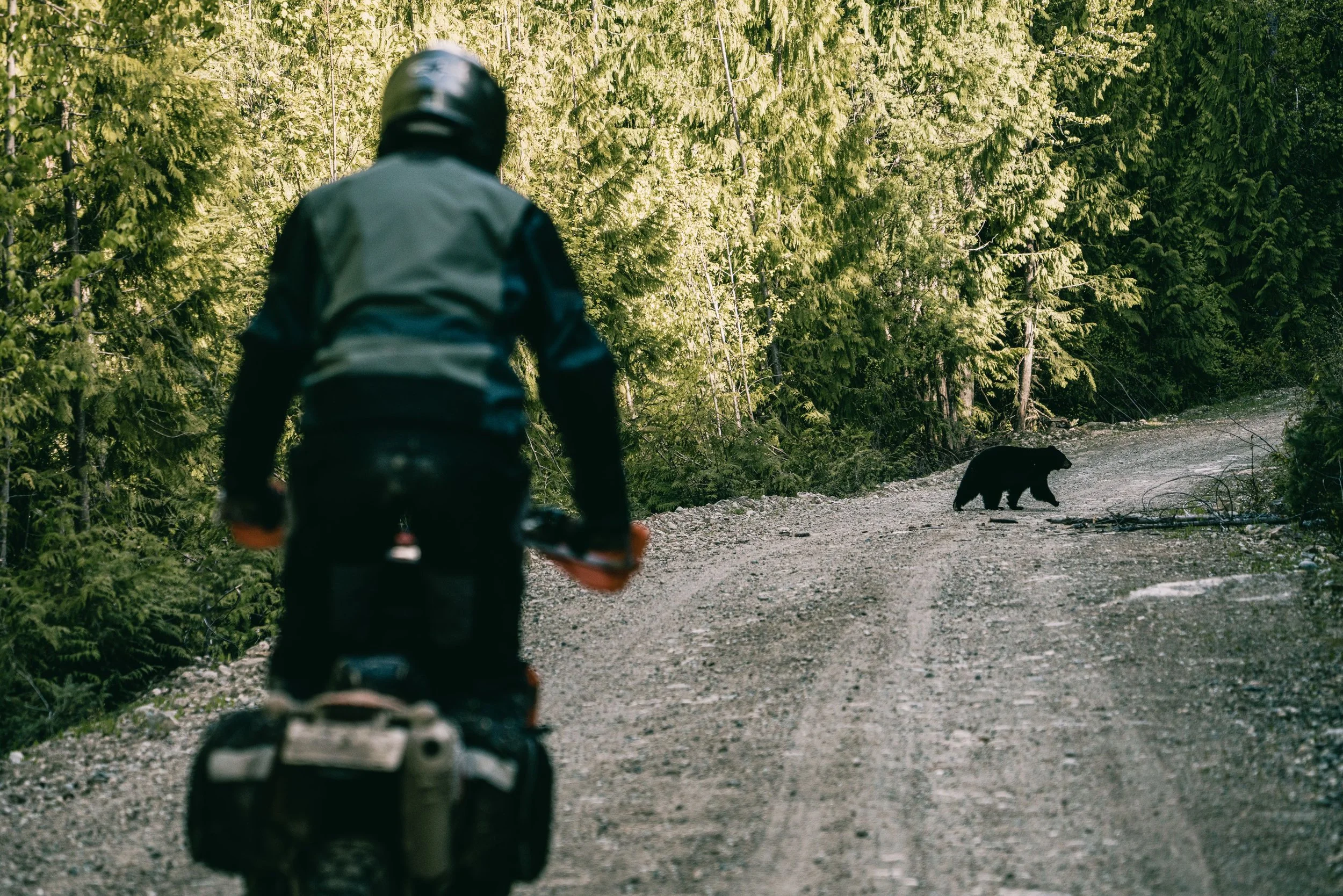
Wild animals do not need snacks, selfies or surprise visitors.
Give wildlife plenty of space. Never feed, approach or follow animals, and do not block their path.
Store food, garbage and scented items securely.
Keep pets under control.
Make noise in areas with limited visibility.
Watch for wildlife alerts and seasonal closures.
Carry bear spray where appropriate and know how to use it.
A distant wildlife sighting is a good wildlife sighting.
-
Shortcuts are not always shorter for the landscape.
Stay on designated trails, roads and routes whenever possible. Cutting switchbacks and creating new tracks can damage vegetation, cause erosion and turn one trail into many.
Where no trail exists, choose durable surfaces such as rock, gravel or snow and avoid wetlands, fragile vegetation and sensitive habitat.
-
Your dog may be friendly. Wildlife, other dogs and other trail users may not agree.
Check whether pets are allowed before you go and follow leash requirements. Keep pets from chasing wildlife, approaching other visitors or damaging sensitive areas.
Always pick up and pack out pet waste. Yes, even when it is in a bag.
-
A good campsite should look almost untouched after you leave.
Use established campsites whenever possible and camp on durable surfaces. Keep campsites, washing and waste well away from lakes, streams and trails.
Store food securely, use existing fire rings where fires are allowed and leave the site clean for the next visitors.
The best campsite review is: “You would hardly know anyone had been there.”
-
You are probably not the only person out there.
Trails and recreation areas may be shared by hikers, cyclists, equestrians, motorized users, skiers, paddlers, families and people moving at very different speeds.
Stay alert.
Travel at a speed that allows you to stop.
Communicate before passing.
Move off the route before stopping.
Follow posted right-of-way guidance.
Slow down and give horses plenty of space.
Be patient, friendly and predictable.
A wave, a thank you or a quick conversation can prevent conflict and make someone’s day.
-
Everyone deserves to feel safe and welcome outside.
Treat others with respect and avoid making assumptions about someone’s ability, experience or reasons for being there.
Support accessible and inclusive programs, facilities and outdoor spaces. Speak up when you witness discrimination, harassment or exclusion.
There is room outdoors for all of us.
Responsible recreation resources
Different activities, places and communities may have their own codes and expectations. Check the guidance that applies to your destination and activity before heading out.
General
Camping
Outdoor safety
Specific activities
Paddling and boating - BC Marine Trails’ Code of Conduct and Boating BC’s Safe Boating
Fishing - Responsible Fishing
Snow sports - Alpine Responsibility Code
Nordic skiing - Skier Responsibility Code
Mountain biking - Mountain Bike BC - Ride Respectfully and IMBA Canada - Rules of the Trail
Climbing - Rock Respect

Image: Cameron Dalinghaus