
Tips for a strong grant application
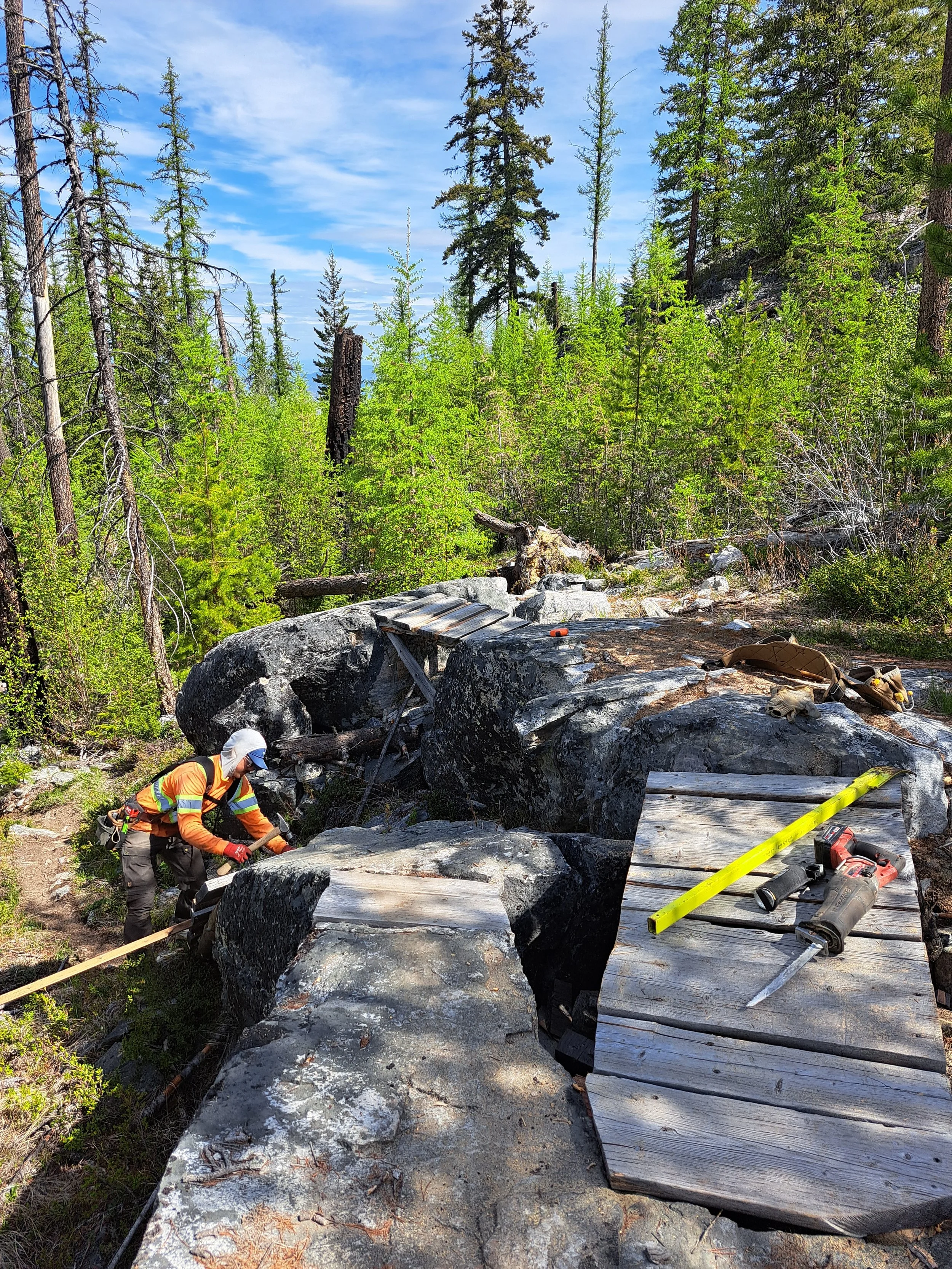
Credit: Mountain Bikers of the Central Okanagan
Practical guidance for outdoor recreation organizations preparing grant applications
Securing funding can help outdoor recreation organizations improve access, strengthen stewardship, expand participation and deliver projects that benefit their communities.
A strong grant application clearly explains what you want to do, why it matters, who will benefit and how the project will be delivered. The following tips can help you prepare a more complete and convincing application.
Start with the grant guidelines
Before developing your application:
Review the funder’s priorities and assessment criteria.
Confirm that your organization and project are eligible.
Check the application deadline and project timeline.
Identify all required documents, approvals and supporting materials.
Make note of funding limits, matching requirements and eligible expenses.
Make sure your project aligns with the purpose of the grant. A good project may still be unsuccessful if it does not match the funder’s priorities.
Define the project clearly
Explain what you plan to do in plain language.
Your application should identify:
The project goal
The activities you will complete
The location and timeline
Who will be responsible for the work
The resources needed
The specific results you expect to achieve
Avoid broad statements. Be clear about what the funding will make possible.
Explain why the project is needed
Funders need to understand the issue or opportunity your project addresses.
Use evidence where possible, such as:
Community feedback
Participation or visitor information
Condition assessments
Safety or access concerns
Photographs and maps
Waitlists or demand for programs
Environmental or stewardship needs
Local economic or community benefits
Describe what will happen if the project does not proceed and why action is needed now.
Identify who will benefit
Clearly describe the people, organizations or communities the project will serve.
Consider including:
The number of people expected to benefit
The activities or user groups involved
The geographic area served
Barriers the project will help address
How the project supports inclusion or accessibility
How intended participants have helped shape the project
Be realistic about anticipated participation and avoid overstating the project’s reach.
Connect activities to outcomes
Explain the change your project will create, not only the work you will complete.
For example:
Activity: Repair two kilometres of trail.
Outcome: Safer and more sustainable access for visitors, with reduced erosion and environmental damage.
Activity: Deliver introductory paddling sessions.
Outcome: More people gain the skills and confidence to participate safely.
Choose simple indicators that will help demonstrate progress, such as:
Kilometres of trail improved
Number of participants
Volunteer hours contributed
Area of habitat restored
Number of signs or facilities installed
Changes in accessibility or safety
Participant feedback
Your outcomes should connect directly to the project’s goals and activities.
Show community support and partnerships
Partnerships can demonstrate that the project is well planned and supported.
Identify relevant involvement from:
First Nations
Local governments
Recreation organizations
Community groups
Land managers
Schools
Businesses
Conservation organizations
Technical specialists
Explain what each partner will contribute. This could include funding, volunteer time, expertise, equipment, approvals, promotion or long-term maintenance.
Include letters of support where they add useful information rather than simply endorsing the project.
Prepare a clear and realistic budget
The budget should match the activities described in the application.
For each expense:
Provide enough detail to explain the cost.
Use quotes or estimates where possible.
Confirm that the expense is eligible.
Identify other confirmed or anticipated funding.
Include donated materials and volunteer contributions if requested.
Check that all totals are accurate.
Avoid unexplained lump sums. A detailed and realistic budget gives funders confidence that the organization can deliver the project.
Address permissions, risks and long-term care
Funders may want to know that the project is ready to proceed.
Depending on the project, explain:
Who owns or manages the land
Which permits or approvals are required
Whether approvals have been confirmed
How safety and environmental risks will be managed
How the project will be maintained after the grant ends
Who will be responsible for ongoing costs
Do not describe approvals as confirmed unless they are in place.
Include useful supporting documents
Supporting materials can make the project easier to understand.
These may include:
Maps
Photographs
Site plans
Designs or drawings
Quotes
Letters of support
Landowner or land manager approval
Project schedules
Relevant policies or plans
Only include documents that strengthen the application and are relevant to the assessment criteria.
Review before submitting
Before submitting your application:
Confirm that every question has been answered.
Check that the budget and project description are consistent.
Remove repetition and unnecessary background.
Define acronyms and technical terms.
Ask someone unfamiliar with the project to review it.
Check spelling, dates, numbers and attachments.
Submit before the deadline.
A clear, specific and well-supported application makes it easier for reviewers to understand the value of your project.
Looking for funding?
Explore current grants and funding opportunities available to outdoor recreation organizations across B.C.
View grants and funding opportunities
Organizations may also be eligible to apply to the Outdoor Recreation Fund of BC, which supports community-led projects that improve recreation, stewardship and inclusive participation.
Explore the Outdoor Recreation Fund
Stay informed about funding opportunities
Subscribe to ORCBC’s newsletter for updates on grants, funding deadlines, webinars, public engagement opportunities and other resources for outdoor recreation organizations.
Questions about grant applications?
For questions about the Outdoor Recreation Fund or preparing a funding application, contact:
Tomke Augustin
Grant Program Manager
grants@orcbc.ca
Tomke can answer questions about the Outdoor Recreation Fund’s eligibility requirements, guidelines and application process. To ensure fairness, ORCBC cannot review or provide feedback on draft applications.
Acknowledgement
This resource was adapted from Tips for Grant Applications, prepared by Kootenay Connex, and updated by ORCBC for outdoor recreation organizations.