
The importance of provincial organizations
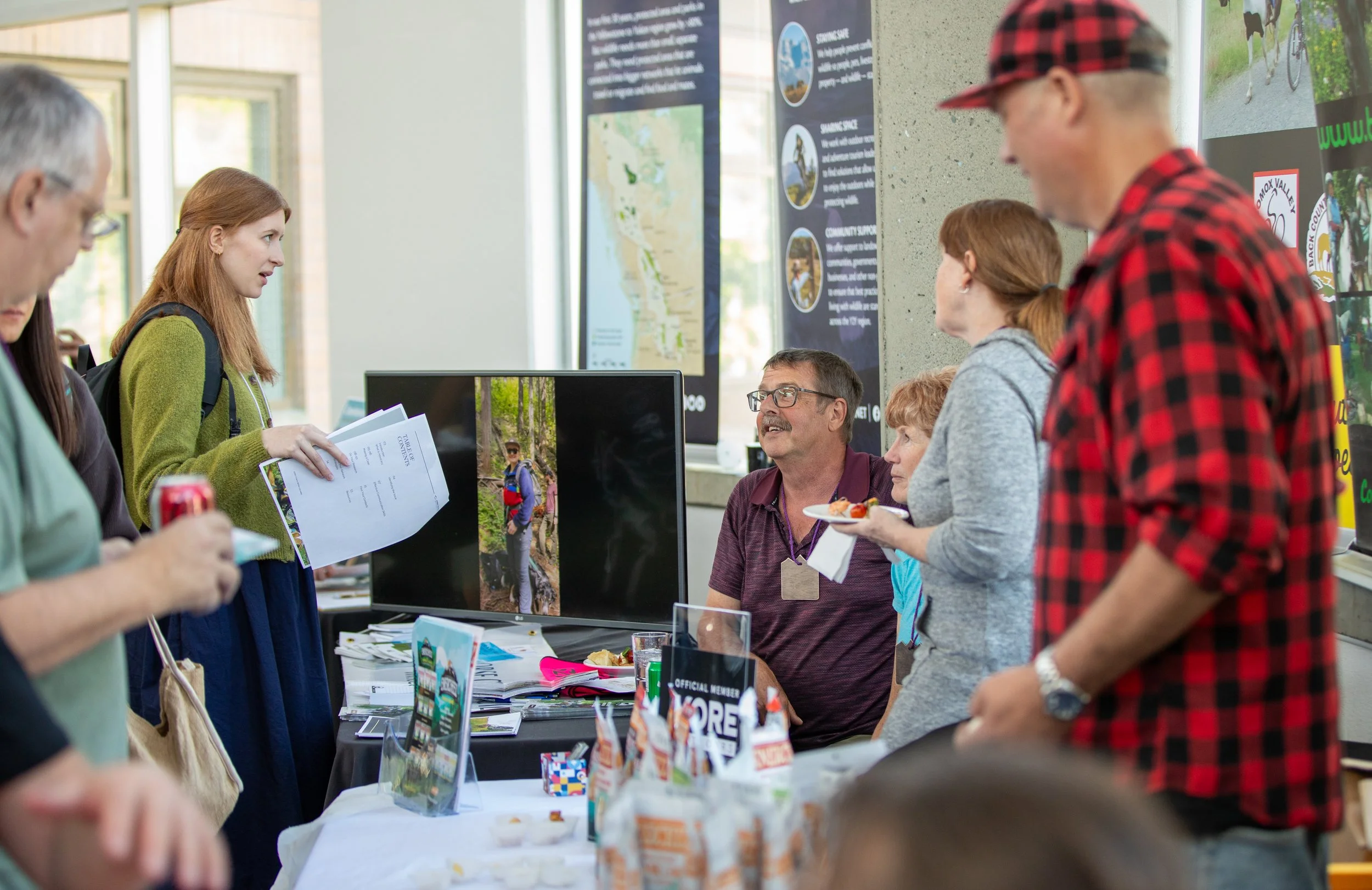
Image: Andrea Heath
They are the connective tissue enabling outdoor recreation in B.C.
Across BC, local clubs and volunteers do much of the visible work that keeps outdoor recreation going, from maintaining trails and campsites to organizing events, building relationships and caring for the places people love. Provincial organizations often work more quietly in the background, helping those local efforts connect to funding, insurance, government relationships, shared expertise and a stronger collective voice.
Local work, provincial support
To understand the value provincial associations bring to the local chapters and clubs they represent, it’s useful to consider an example like the Salmon Brewster Trail Corridor rehabilitation project.
The 43 kilometre trail is one of the only horse-focused trail developments on Vancouver Island. For a decade after its designation by Recreation Sites and Trails BC in 2013, the Back Country Horsemen - North Vancouver Island Chapter maintained the trail and three campsites along the route. But by 2023, time, use and extreme weather had taken its toll. The corridor needed a big investment. In partnership with the Strathcona Regional District, the local club received a $495,778 Rural Economic Diversification and Infrastructure Program grant to rehabilitate and improve the route, which it completed this spring.
“The North Vancouver Island Chapter did all the hard work. They did an incredible job,” says Brian Harder, the President of the Back Country Horsemen Society of BC, which represents 20 regional and local clubs, including the North Island one. “As a provincial organization, we’re here to help enable their work. We provide support where needed and guidance when requested.”
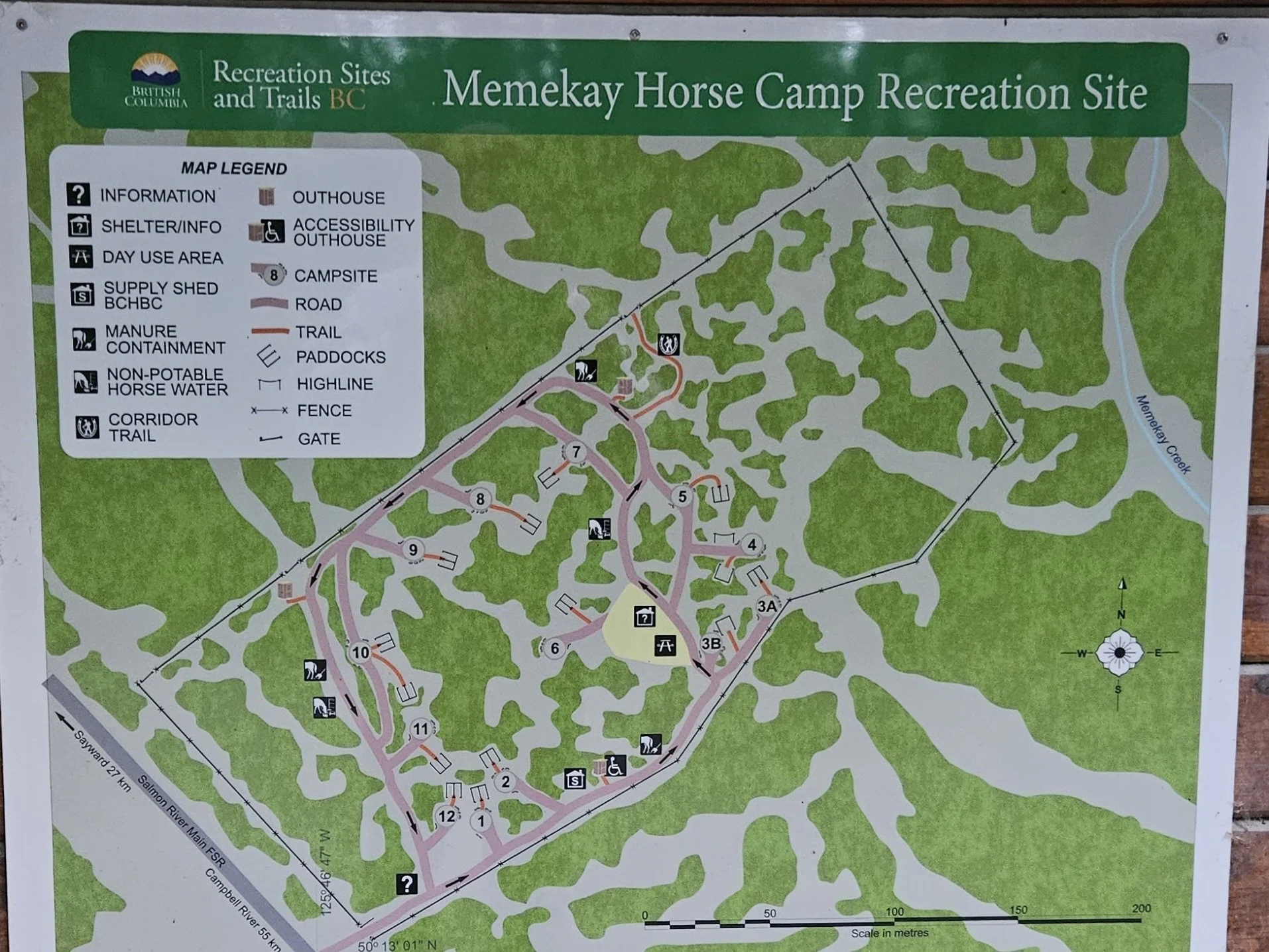
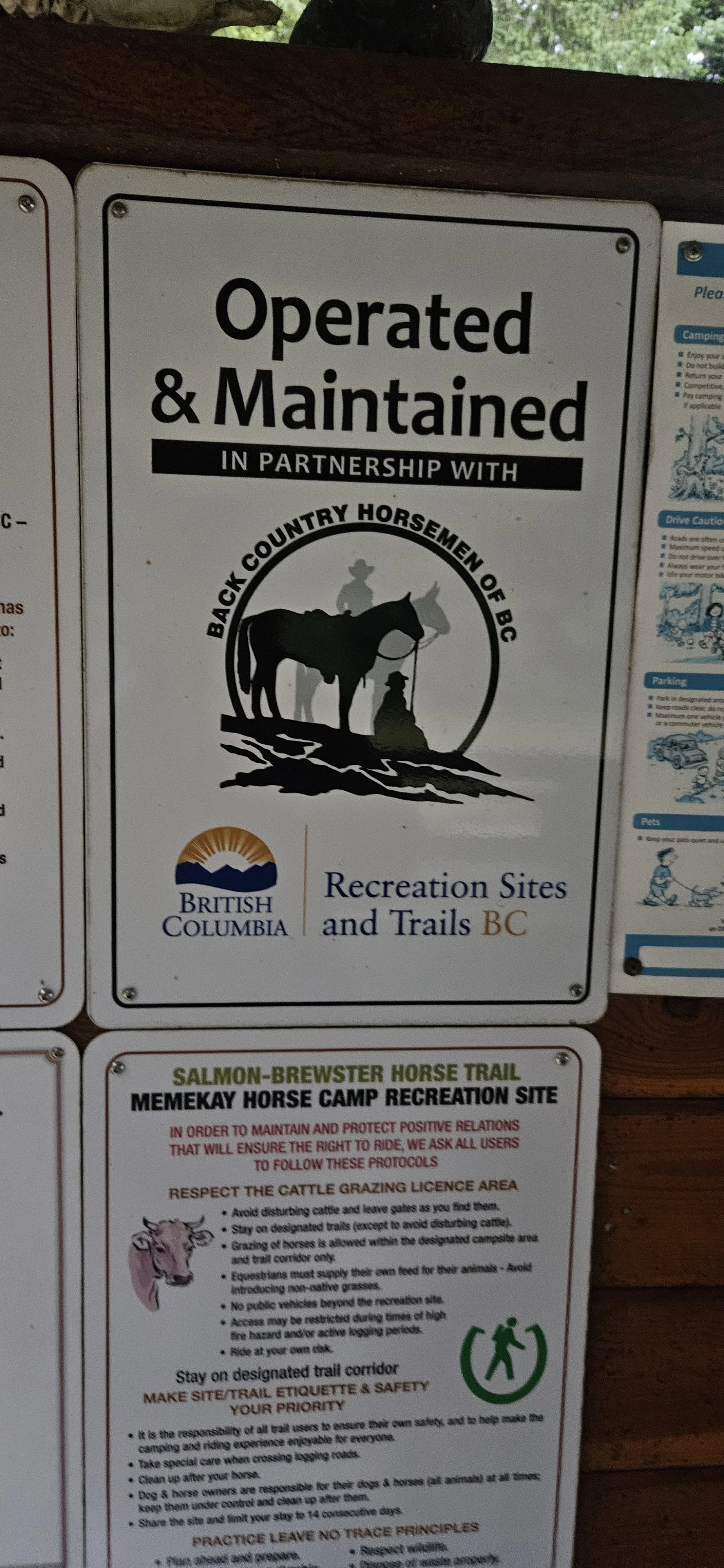
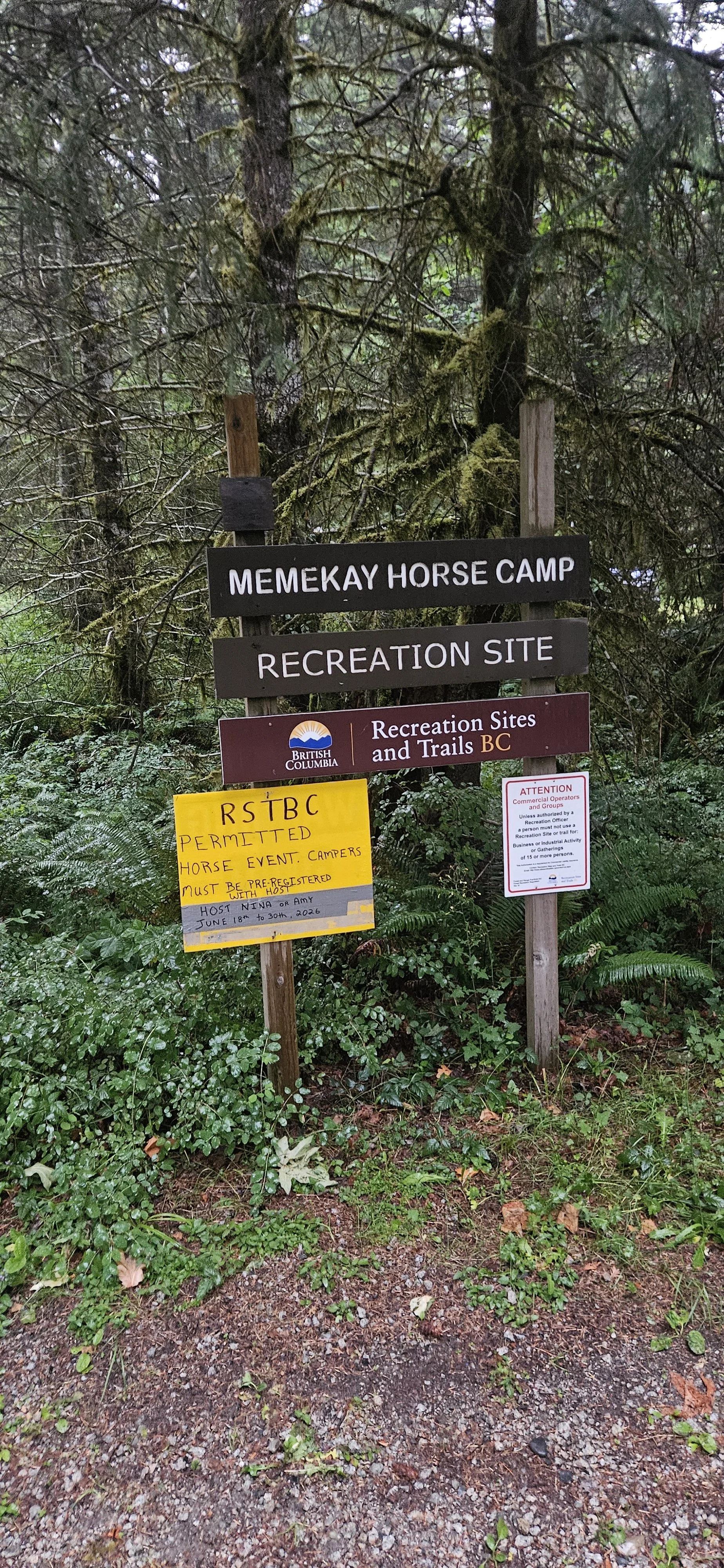
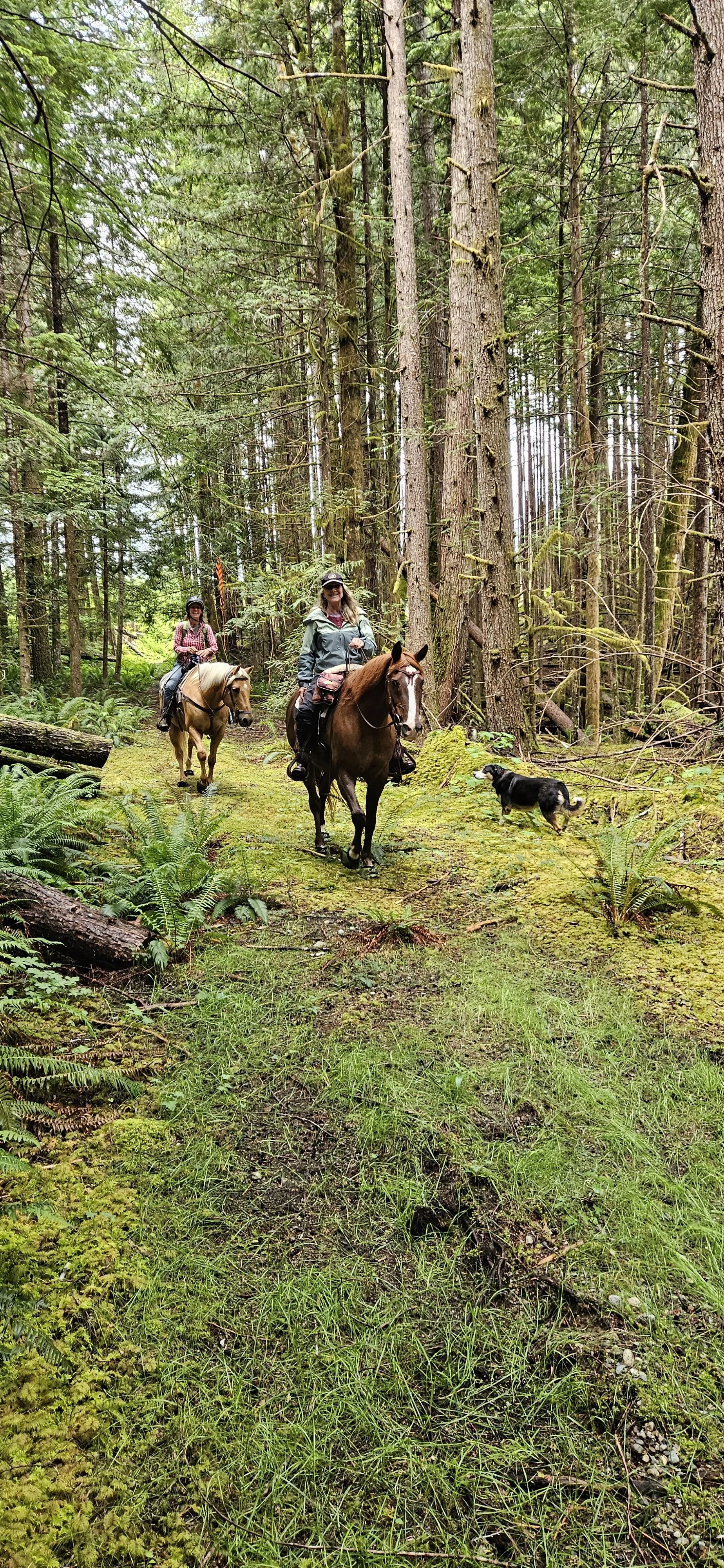
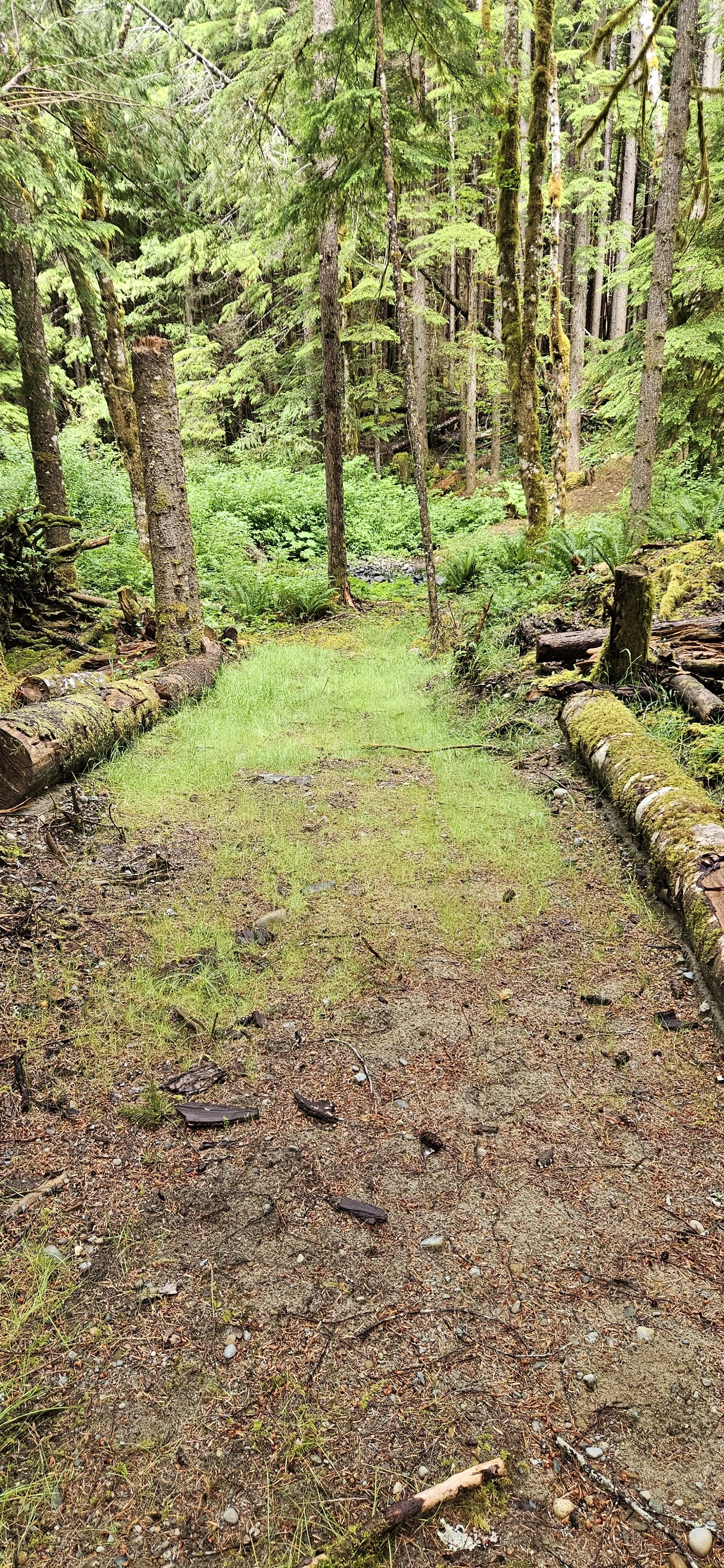
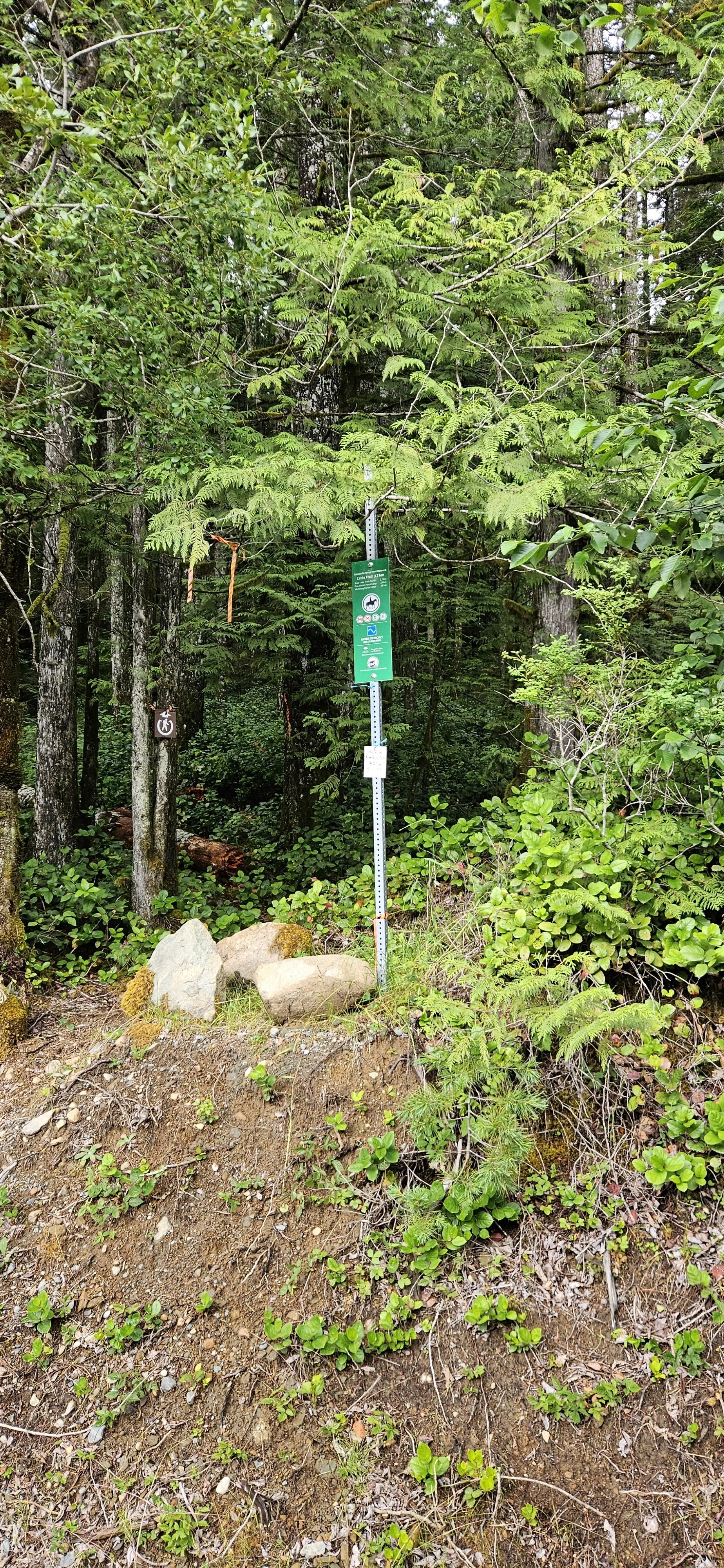
Photo Credits: Horse Council of BC
Connecting local knowledge to provincial systems
Back Country Horsemen is just one of 20 provincial associations that are members of the Outdoor Recreation Council of BC (ORCBC). Depending on the activity and the needs of its members, each one is unique and offers different services and benefits. But they do share some commonalities.
“We bring the perspective of the grassroots level from our clubs and give it a provincial voice,” explains Amber Lane, the Executive Director of the BC Snowmobile Federation (BCSF). “We really specialize in our sport and what our members are doing.”
Lane sees provincial organizations as the connection between local knowledge and provincial systems that helps outdoor recreation function more effectively across the province.
Local clubs provide and maintain most of the actual recreational infrastructure: building and maintaining trails, campgrounds, boat launches, staging areas, and more. They also develop and nurture relationships with volunteers and local funders and partners.
ORCBC’s role: connecting the connectors
The provincial organizations take that local experience to broader conversations with government, funders, insurers, land managers, sector partners and others. They create efficient and practical ways to work with many local organizations through one informed provincial voice. And they bring back to the local clubs tools, policy guidance, shared learning, risk management support, and province-wide perspectives.
In this broader system, ORCBC connects the connectors. Provincial associations bring together organizations within a particular activity; ORCBC brings those associations together across the outdoor recreation sector. This allows organizations with very different mandates, from horseback riding and snowmobiling to paddling and mountain biking, to identify shared challenges, learn from one another, and speak collectively on issues affecting outdoor recreation as a whole.
ORCBC also works on cross-cutting issues that no single provincial association can address alone, such as public investment, access to Crown land and resource roads, recreation planning, volunteer capacity, insurance and liability, and recognition of outdoor recreation’s contribution to BC’s health, communities and economy. It provides government and other partners with a way to engage the broader nonprofit recreation sector while ensuring the experience of local clubs and activity-specific associations informs provincial decisions.
“Provincial associations understand their activities and their members in a way no one else can,” says Louise Pedersen, Executive Director of ORCBC. “Our role is to bring those perspectives together, find the issues they share and ensure outdoor recreation has a strong, coordinated voice at the provincial level.”
What provincial associations make possible
In the snowmobile federation’s case, it represents 55 of the province’s 63 local snowmobile clubs. Membership includes several valuable perks. A key one is more specialized and comprehensive insurance than local clubs could get on their own. The BCSF also provides tools designed specifically for snowmobile clubs to plan and respond to emergencies and helps local clubs coordinate with Recreation Sites and Trails BC (RSTBC) on a unique pay-to-play system. Because some snowmobile clubs groom their trails, they are one of the few organizations authorized to charge users to use Crown land.
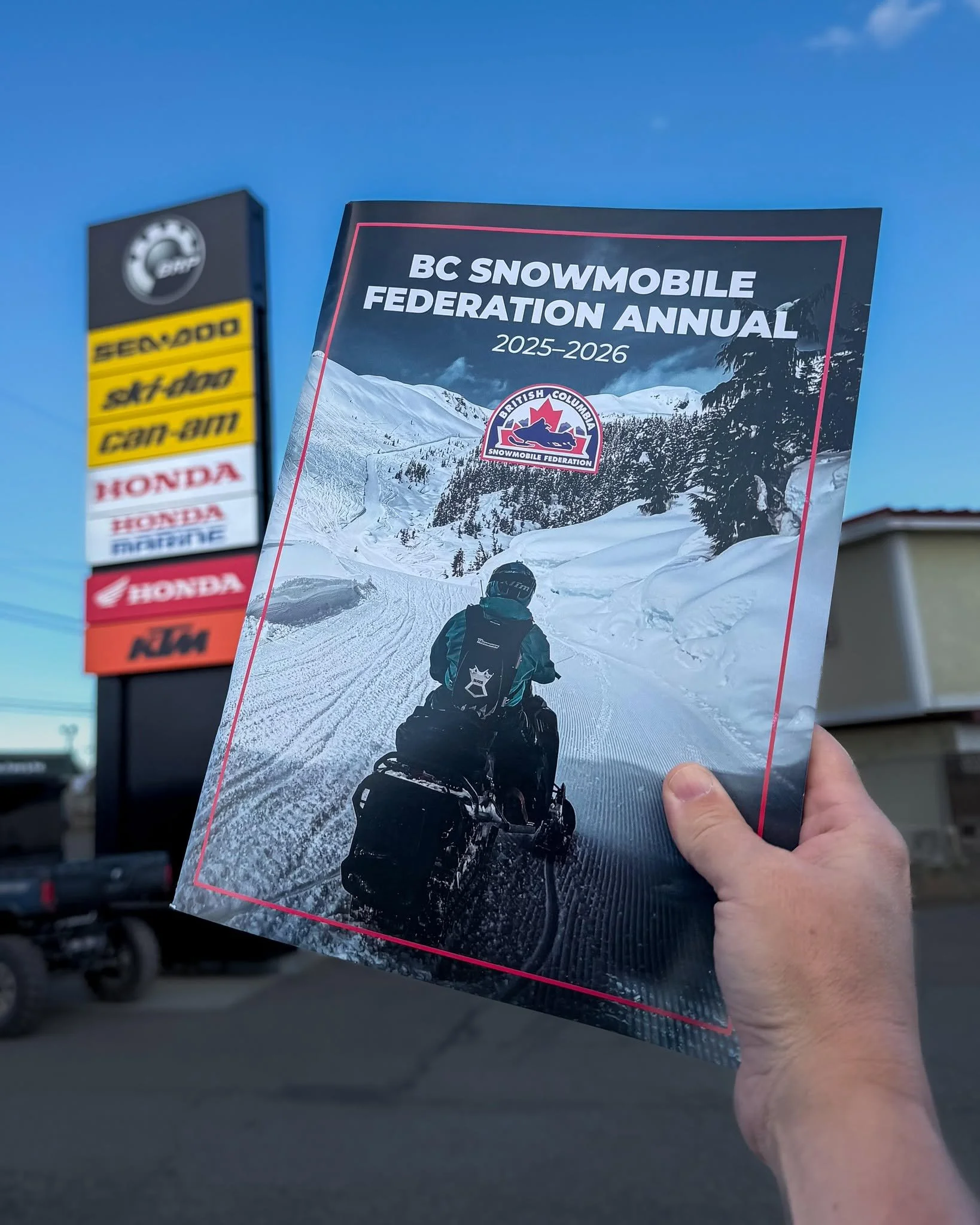
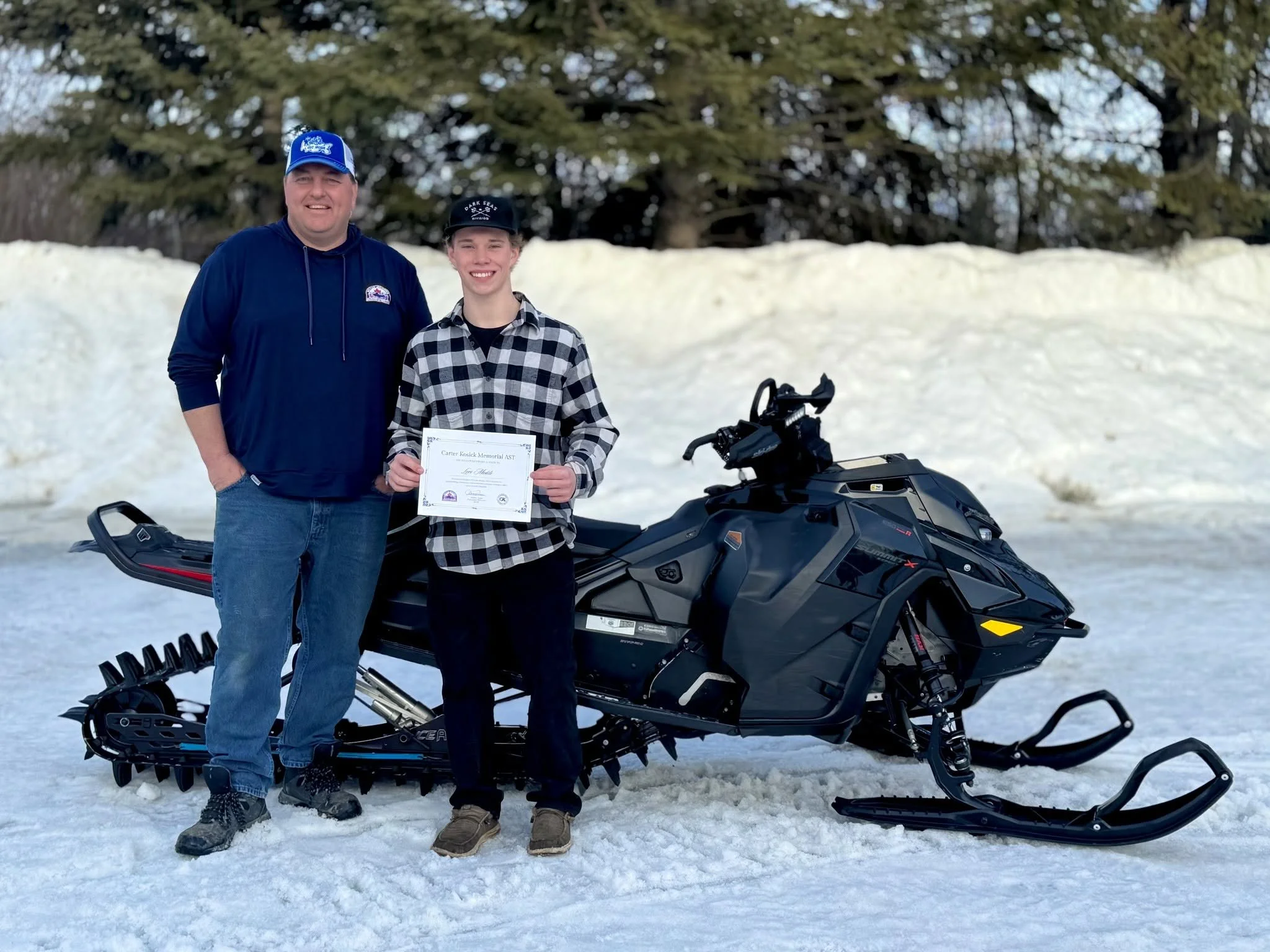
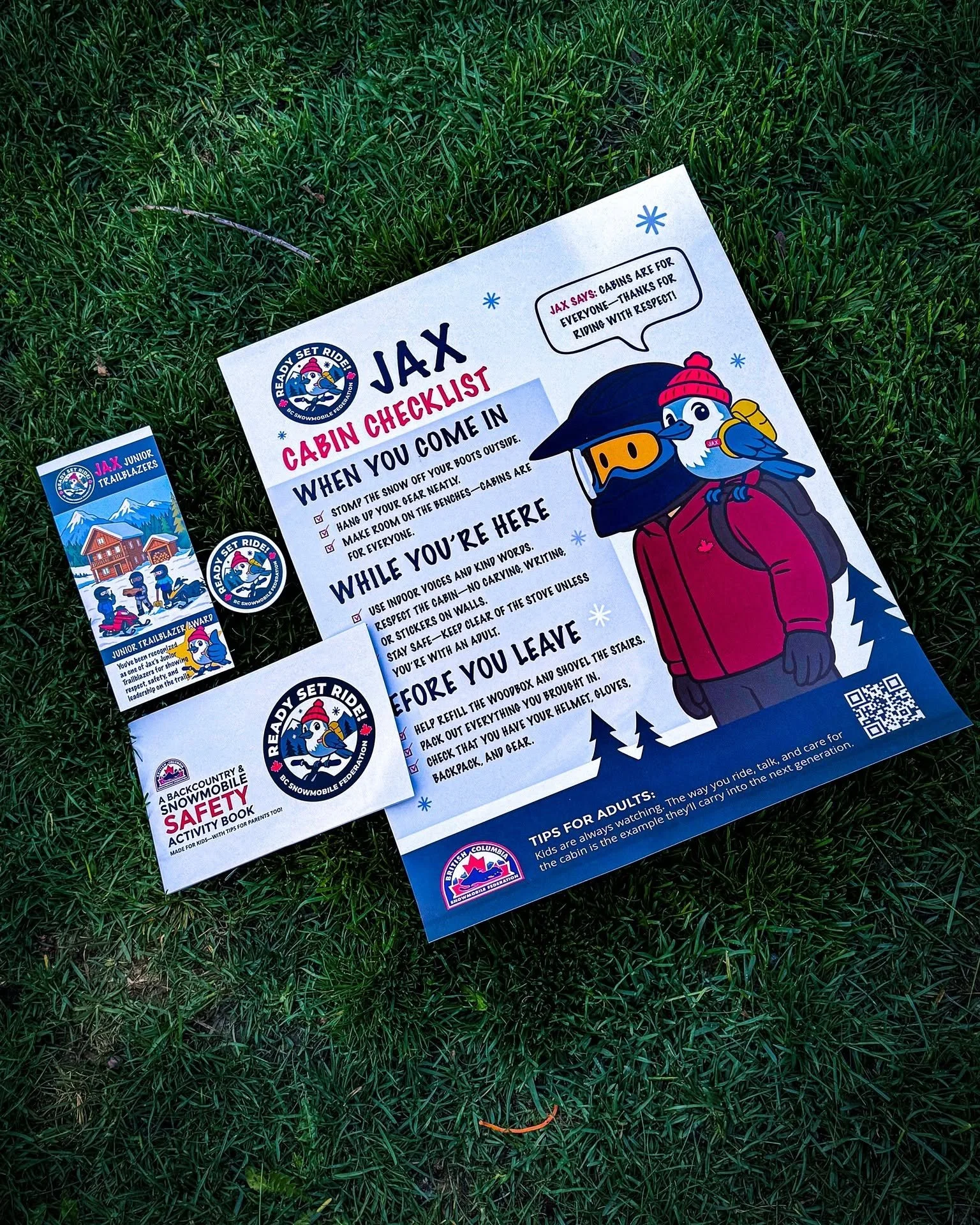
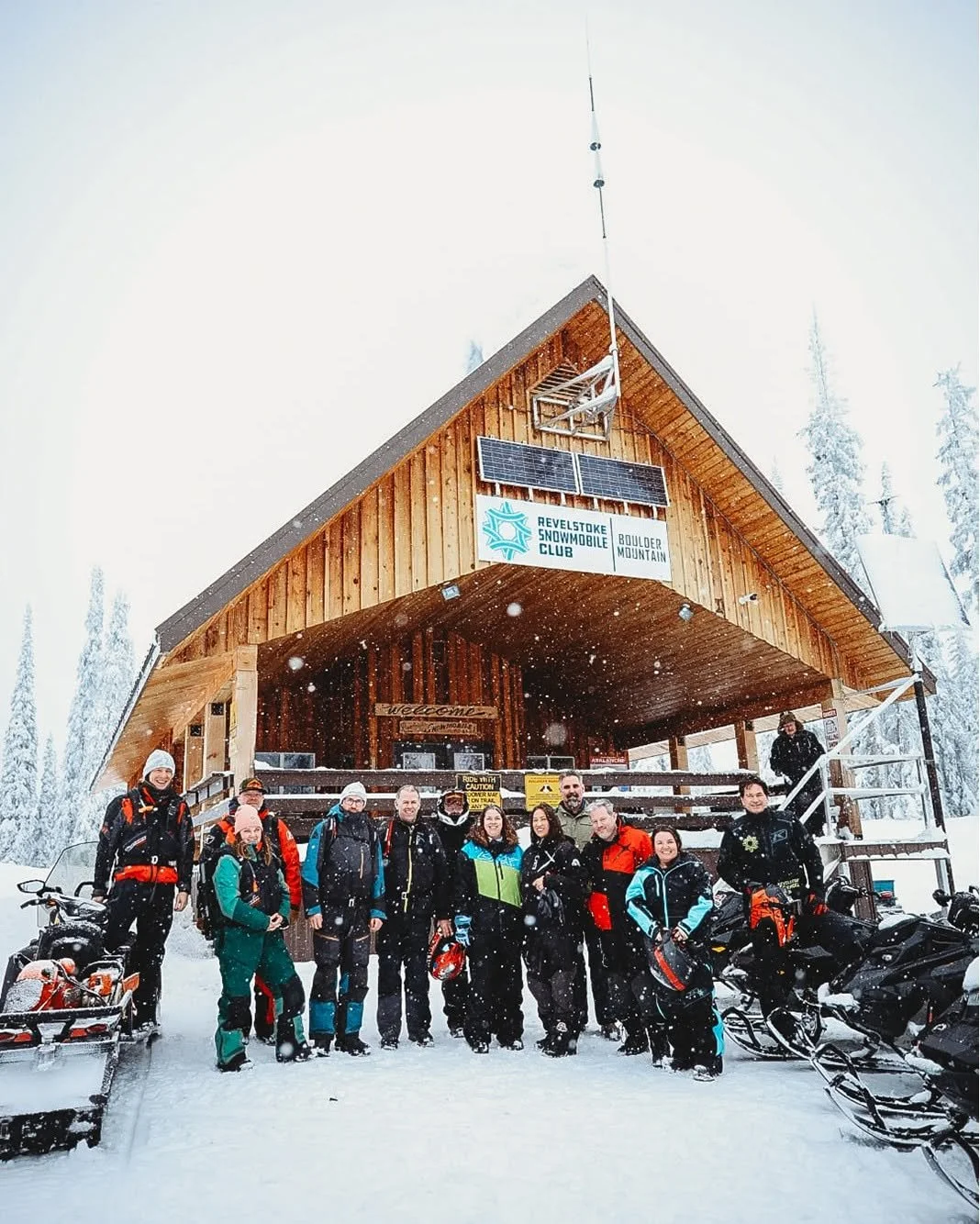
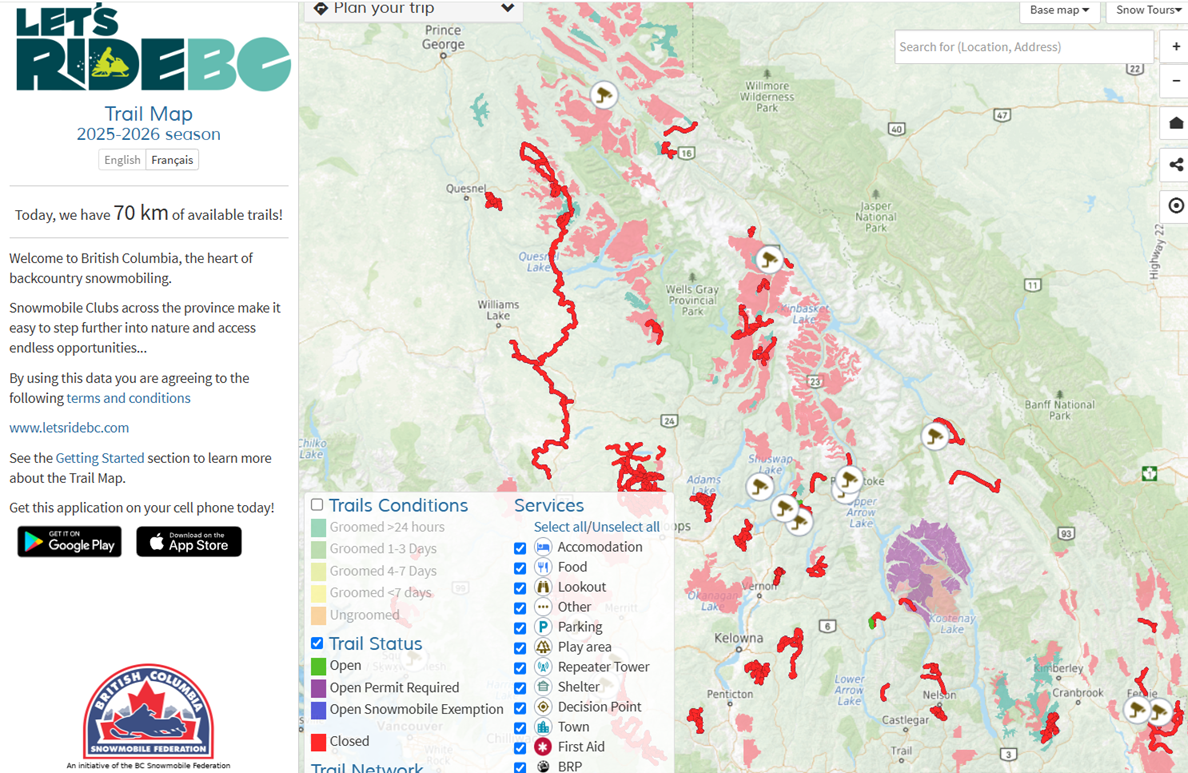
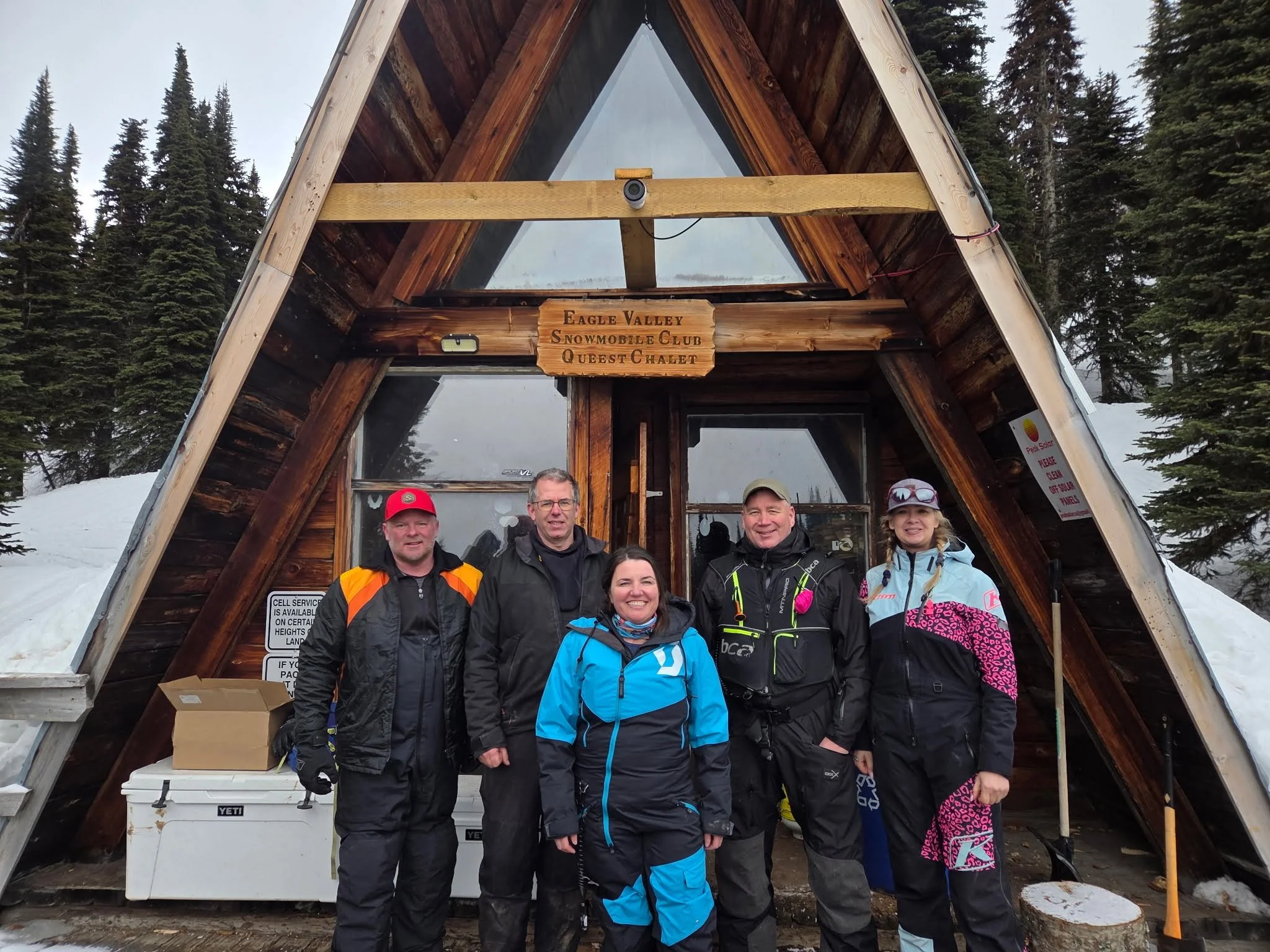
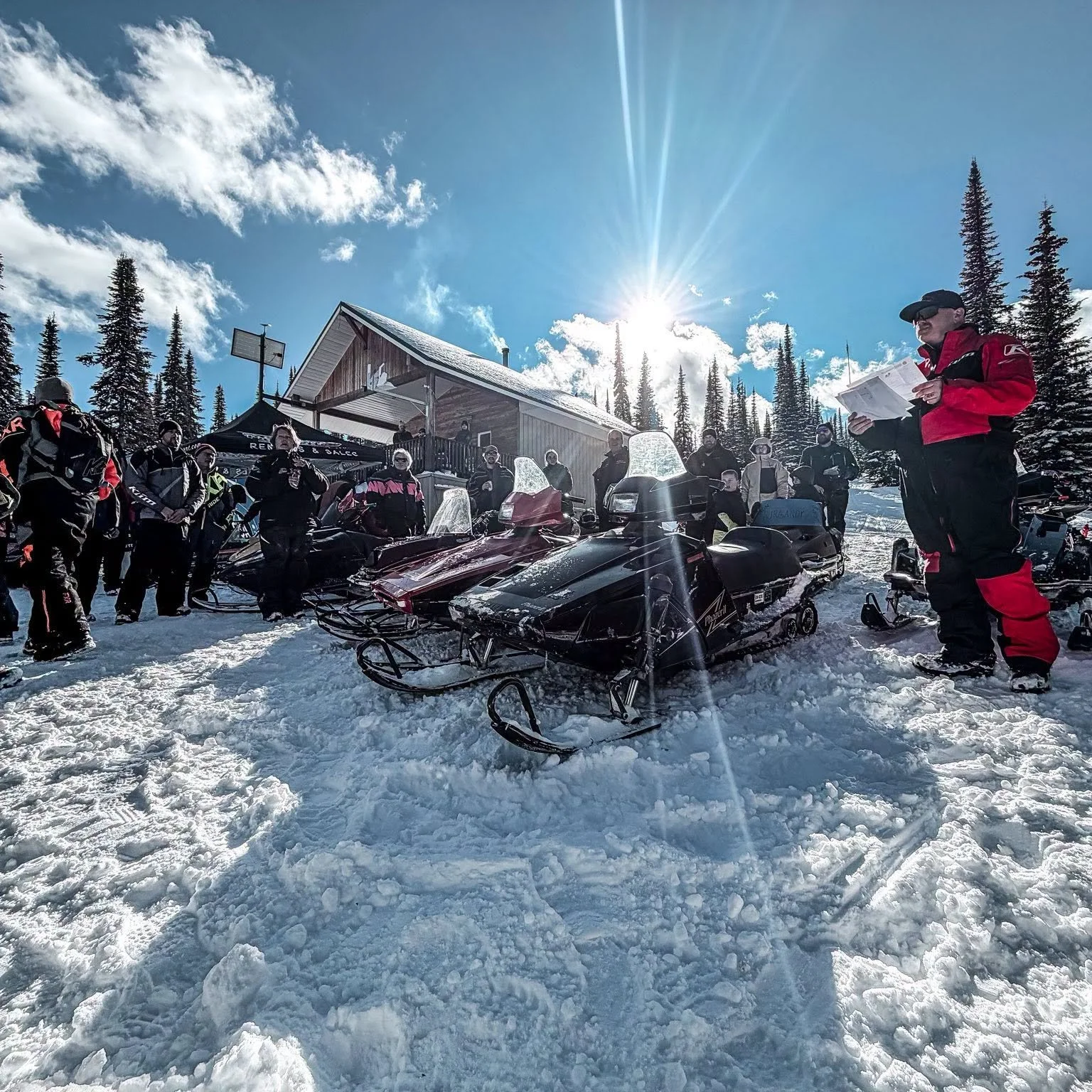
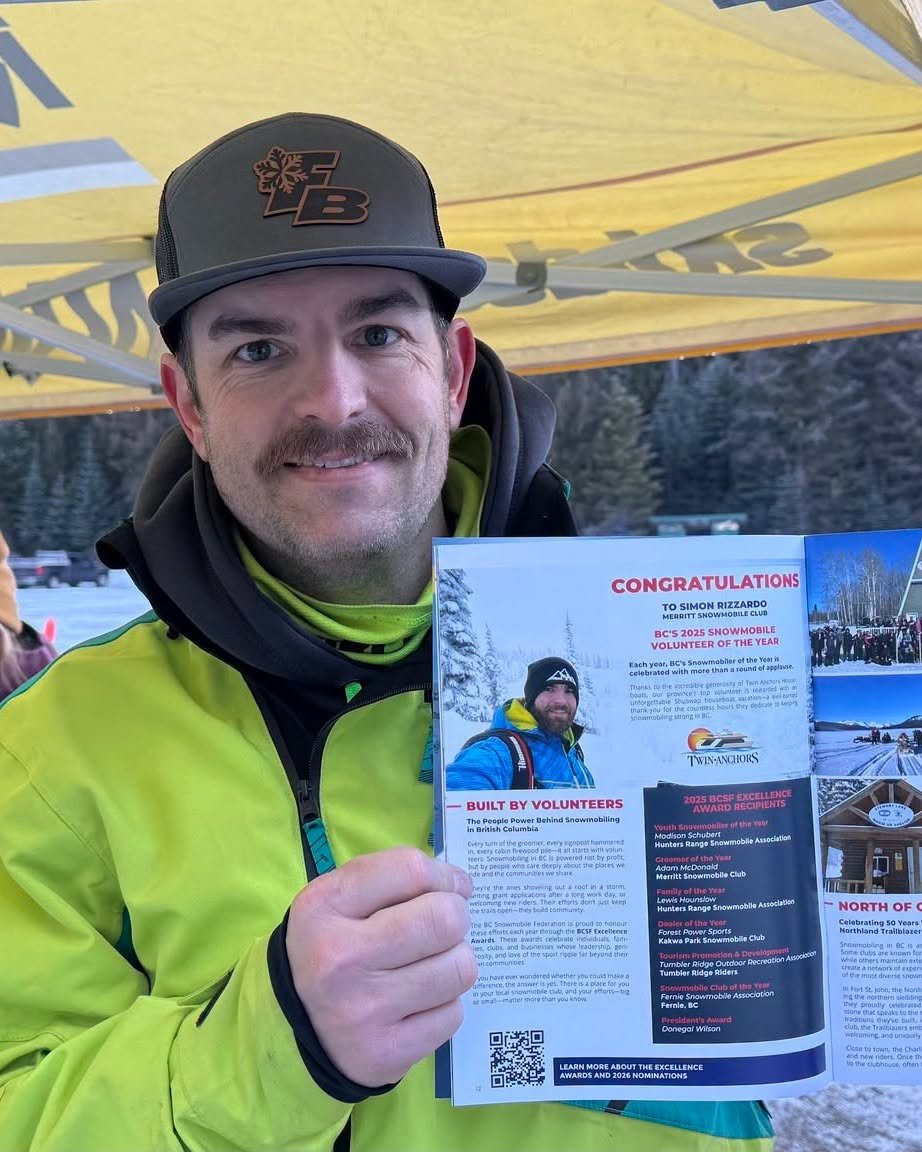
Photo Credits: BC Snowmobile Federation
These are all important supports, but for Lane, who has also been executive director of a local club, the provincial organizations’ most important role is in advocacy, particularly with the provincial government.
“Because we’re backed by the majority of clubs in BC, there’s a belief in our mission and importance, ” she says. “We look at issues from a provincial level and bring an informed opinion. Government representatives will meet with us, when they might not meet with an individual club.”
As an example, she points to the work the BCSF has done with provincial biologists to balance mountain caribou recovery while maintaining recreational snowmobile access. To reduce interactions, they’ve developed a high-tech program that opens and closes backcountry zones to snowmobiling depending on the movement of caribou herds. It’s allowed snowmobiling to continue to support the economy and lifestyles in rural areas without disturbing endangered mountain caribou herds.
“The BCSF has helped keep practical, science-informed access solutions on the table,” Lane says. “Without that provincial coordination, many of these conversations could have moved much more quickly toward closures.”
The other provincial organizations bring a similar level of expertise and scope specific to their own niche. BC Whitewater represents the unique interests of whitewater paddlers. The BC Wildlife Federation is focused on enhancing angling and hunting opportunities. BC Marine Trails is developing paddling routes along the entire B.C. coast. And Mountain Bike BC works with tourism organizations and clubs to promote and protect mountain biking throughout the province.
A network that strengthens local clubs
Back Country Horsemen of BC are equally focused on equestrian off the beaten path. Founded in 1989 to bring recreational riders together. It supports its member chapters to preserve and maintain trails, provide camping opportunities for horseback riders, while encouraging environmental stewardship and wilderness trail riding.
President Brian Harder says the provincial organization's strength is that it backs its local chapters’ efforts with all of the successes from its 45 years in existence. Over that time, it has built trust with provincial organizations, like RSTBC and BC Parks, and local governments, like regional districts, that makes it easier for the local chapters to develop their own relationships.
When the North Island chapter approached the Strathcona Regional District and RSTBC, it wasn’t just the executives’ individual relationships and professionalism they were bringing to the table. It was the entire Backcountry Horsemen history. And the success of the Salmon Brewster Trail rehabilitation helps all the other chapters too.
“An experience like [the Salmon Brewster Trail] ripples out and gives comfort to other agencies to work with organizations operating under our banner,” Harder says. “The provincial organization oversight and legal body allows the relationship to happen.”
The provincial society also brings local chapters a province-wide network of experts, he says. Rarely is a challenge facing one chapter novel. With provincial knowledge and contacts, the society can connect people with the skills or experience the other chapters need. For example, a club looking to build a relationship with its regional district might connect with the North Vancouver Island Chapter to learn how they did it.
“The local chapters are not working in their own silos,” Harder explains. “All the members share their experiences and troubles.”
Provincial integration like this helps protect horseback riding across the province, he says. Whether its new municipal bylaws that inadvertently exclude horses or shifting trail use patterns that could endanger riders, a healthy provincial organization ensures that there are people in place to advocate for equestrians in every corner of the province. That takes focus and a large network.
Join the provincial network
ORCBC’s members are part of a province-wide network of organizations working to strengthen outdoor recreation in BC. Membership helps connect local, regional and provincial groups with shared learning, sector updates, advocacy opportunities, funding information, and a stronger collective voice on the issues that affect outdoor recreation across the province.
If your organization works in outdoor recreation, stewardship, trails, access, education, tourism or community development, we invite you to become part of ORCBC’s member network.
Why it matters now
With more pressure on outdoor recreation and more interests competing for land and water, provincial organizations have never been more important. They give local clubs the support, credibility and collective voice needed to succeed. By bringing those organizations together across activities, ORCBC helps turn their individual knowledge and influence into a stronger provincial outdoor recreation sector.
By Ryan Stuart, Engagement Lead, Outdoor Recreation Council of BC