
Help identify resource roads that matter for outdoor recreation in BC
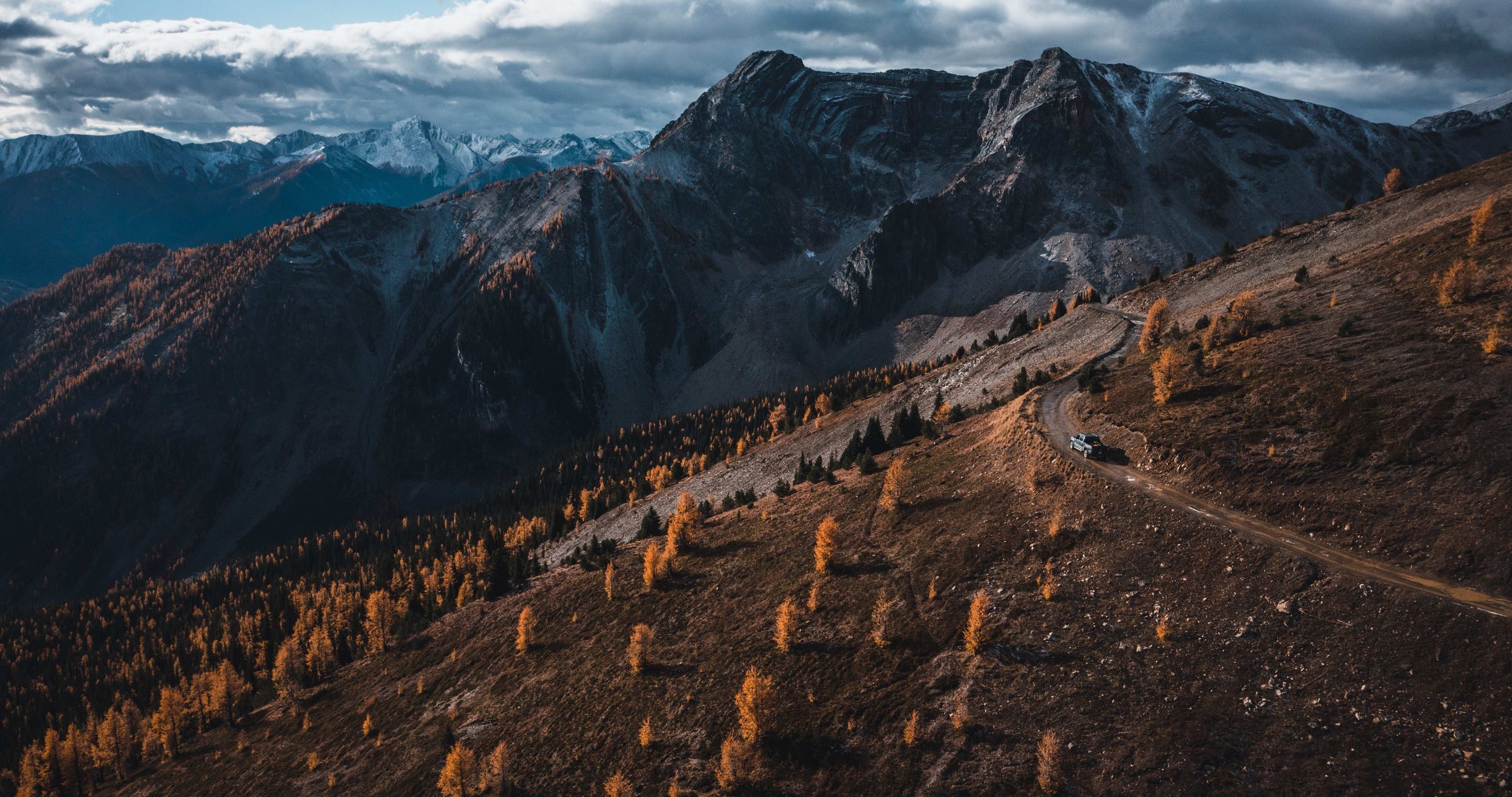
Image: Steve Shannon Photography
Much of BC’s backcountry is reached by resource roads. These roads were built mainly for forestry and other resource industries, but they also provide important access to trails, lakes, rivers, cabins, recreation sites, backcountry areas, rural communities and outdoor tourism destinations.
That is why a collaboration of provincial recreation organizations has launched the BC Resource Road Access Survey.
The survey will help identify which resource roads and road systems are most important for outdoor recreation access across the province, where access is at risk, and what practical solutions may be needed.
Why resource roads matter
Resource roads play a major role in how people access outdoor recreation in BC. They connect communities, clubs, businesses and outdoor users to many of the places where people hike, ski, snowmobile, paddle, camp, climb, ride, fish, hunt and explore.
Right now, no government agency is specifically responsible for keeping resource roads open for recreation. At the same time, not every resource road has the same role or level of importance for recreation. In some places, access may also need to be managed carefully to protect wildlife, cultural values, sensitive ecosystems, public safety or other important interests.
“As outdoor recreation is increasingly recognized as an important economic and community-building sector in BC, we need a clearer picture of the roads and road systems that communities, clubs, businesses and outdoor users rely on,” said Louise Pedersen, Executive Director of the Outdoor Recreation Council of BC. “This survey is about gathering local knowledge so we can better understand access priorities, common barriers and practical solutions.”
What the survey is trying to learn
The survey asks recreation groups, businesses, local organizations and outdoor users to identify resource roads that are:
currently used to access recreation areas
open but potentially at risk of closure or deactivation
already closed, limited or difficult to access
The survey also asks about barriers such as gates, washouts, missing bridges or culverts, poor road conditions, seasonal closures, wildlife management closures and other access challenges.
Respondents are also invited to share possible solutions, including shared maintenance agreements, signage improvements, seasonal maintenance, risk assessments, reroutes and funding for priority recreation access routes.
How the information will be used
The information gathered through the survey will help build a provincial inventory of recreation-important resource roads.
It will also support future conversations with the Province, local and Indigenous governments, recreation organizations, industry, land managers, funders and other partners. The goal is to help identify priority access routes, common barriers and practical solutions to support more coordinated planning and investment.
“We know that local recreation groups and outdoor users often have the best information about what is happening on the ground,” said Monika Bittel, Recreation and Access Chair with the Federation of Mountain Clubs of BC. “By bringing that knowledge together, we can help make the case for more coordinated planning and investment in the roads that support recreation access across BC.”

Who should complete the survey
The survey is intended for recreation groups, clubs, businesses, local organizations and outdoor users who have knowledge about specific resource roads or road systems used for recreation access.
You may submit more than one survey. Please complete one survey for each recreation destination or road system.
The survey should take about 10 to 20 minutes to complete, depending on the amount of information provided. You do not need to have perfect information. Local knowledge, best estimates, photos, maps, examples and stories are all helpful.
Complete the survey here: https://forms.gle/XYGsVNDSJwv5e3ZK8
About the project partners
The survey is being led through the Outdoor Recreation Council of BC’s Resource Road Working Group, with participation from the Federation of Mountain Clubs of British Columbia, BC Snowmobile Federation, Four Wheel Drive Association of BC, Quad Riders ATV Association of BC, British Columbia Mountaineering Club, and support from the Service Road Atlas.