
Mushroom foraging in B.C.
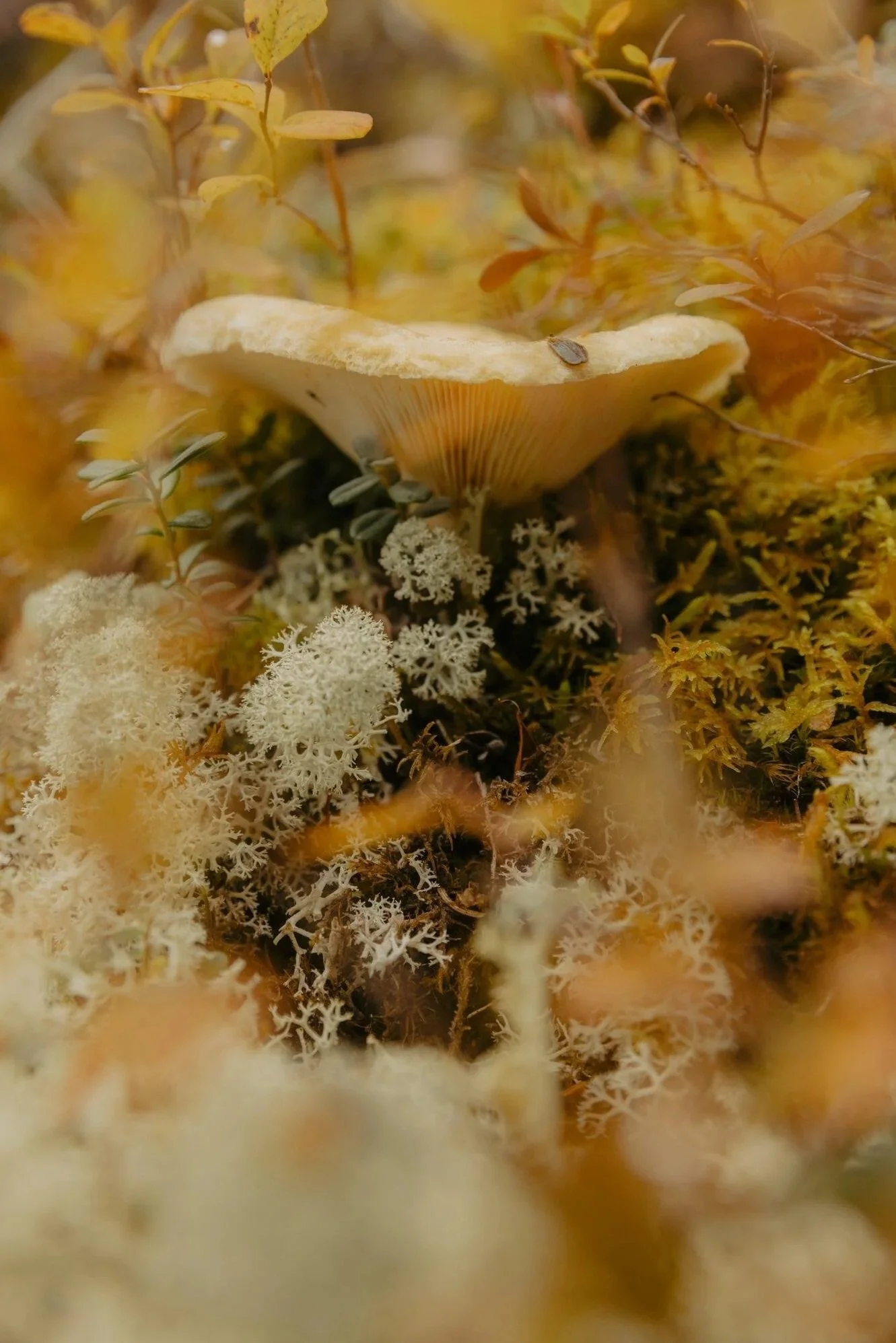
Image: Northern BC Tourism and Grant Harder
Fall is mushroom season in much of British Columbia, and there are a few things to know before you head into the woods with a basket.
After the rains arrive, mushrooms start appearing across the forest floor, in moss, on logs, beside trails and under trees. For some of us, finding them is the entire point of the walk. For others, a basket of chanterelles at the end of the day is a pretty good bonus.
Mushroom foraging is easy to get interested in, but it takes time to get good at it. B.C. has thousands of species of fungi, including poisonous mushrooms that can look very similar to edible ones.
Foraging tip #1: never trust a mushroom with your life.
When to go
For much of B.C., the main mushroom season runs from late summer through fall, often from August into November.
Rain is usually a good sign. Cooler temperatures and damp forests bring on many of the species people look for in the fall.
There are mushrooms to find at other times too. Morels, for example, are often associated with spring and early summer.
What is growing and when depends on where you are in the province, elevation, weather and forest type.
Getting started
You don’t need to know hundreds of mushrooms. A better approach is to learn a few species well and build from there. A field guide can help, but going out with an experienced mushroom picker or joining a local mycological society is one of the best ways to learn.
Pay attention to more than the mushroom itself. Where is it growing? What trees are nearby? Is it growing in soil, moss or wood? What does the underside of the cap look like? All of those details can matter.
And if you’re not sure what you’ve found, better to leave it out of the frying pan.
What to bring
A mushroom outing doesn’t require much specialized gear, but a few things are useful:
a mushroom field guide
a basket, bucket or other container
paper or wax bags for separating mushrooms you haven’t identified
a small knife
a brush for cleaning off dirt
a phone or notebook for taking photos and notes
waterproof boots and clothing
a map or GPS
Bring your regular outdoor essentials too. Mushroom hunting has a habit of pulling your attention toward the ground, and it’s surprisingly easy to wander farther than you intended.
Where to look
There isn’t one type of place where mushrooms grow. Some species grow with particular trees. Others prefer rotting wood, disturbed ground, mossy forests or open areas.
Once you start learning particular species, you also start learning where to look for them. That’s part of what makes mushroom picking interesting: you begin seeing a forest differently.
Pick with care
Mushrooms are part of the forest ecosystem, providing food for wildlife and helping cycle nutrients through the soil.
A few simple habits go a long way:
take only what you will use
avoid digging up or disturbing the forest floor unnecessarily
leave mushrooms you aren’t collecting intact
be careful not to damage moss, plants or other habitat around you
pack out what you bring in
clean your boots and gear between outings to help avoid spreading invasive species
There’s some etiquette among mushroom pickers too. Give other foragers space, don’t harvest everything you find, and if someone shares a favourite spot with you, don’t post the location without asking.
A good day of foraging should leave the forest looking much the same as you found it.
Where can you pick mushrooms in B.C.?
Don’t assume that because mushrooms are growing somewhere, you are allowed to collect them.
Mushroom picking is generally permitted on provincial forest Crown land, but restrictions can apply.
Mushroom picking is not allowed in provincial or national parks, ecological reserves or regional parks. Other protected or specially managed areas may also have restrictions, so check before you go.
You also need permission before harvesting on private property, leased Crown land or First Nations reserve lands.
First Nations may also have rights, interests, and laws related to harvesting within their territories. Learn whose territory you are visiting and respect local rules, closures and requests.
The Province has more information about mushroom picking on Crown land.
Before you eat anything
Some poisonous mushrooms look very similar to edible species, and relying on a photo, an app or a single identifying feature isn’t enough. If you are learning, get confirmation from someone experienced.
It is also a good idea to cook wild mushrooms thoroughly and try only a small amount the first time you eat a new species.
If you think someone has eaten a poisonous mushroom, contact the B.C. Drug and Poison Information Centre. If possible, keep a sample of the mushroom and photos to help with identification.
The best part might not be the mushrooms
Foraging definitely changes the pace of a walk. Instead of moving quickly along a trail, you start noticing tiny things around you: colour, texture, fallen logs, tree species, damp patches of moss.
You may come home with dinner. You may come home with nothing. Either way, you’ll probably know the forest a little better than when you left.
Before heading out, check conditions, tell someone where you’re going and carry what you need. AdventureSmart has useful information on trip planning, training and taking the essentials.
And before your next outing, clean mud, seeds and plant material from your boots and gear to help avoid spreading invasive species.