
ORCBC’s 50th anniversary conference recap
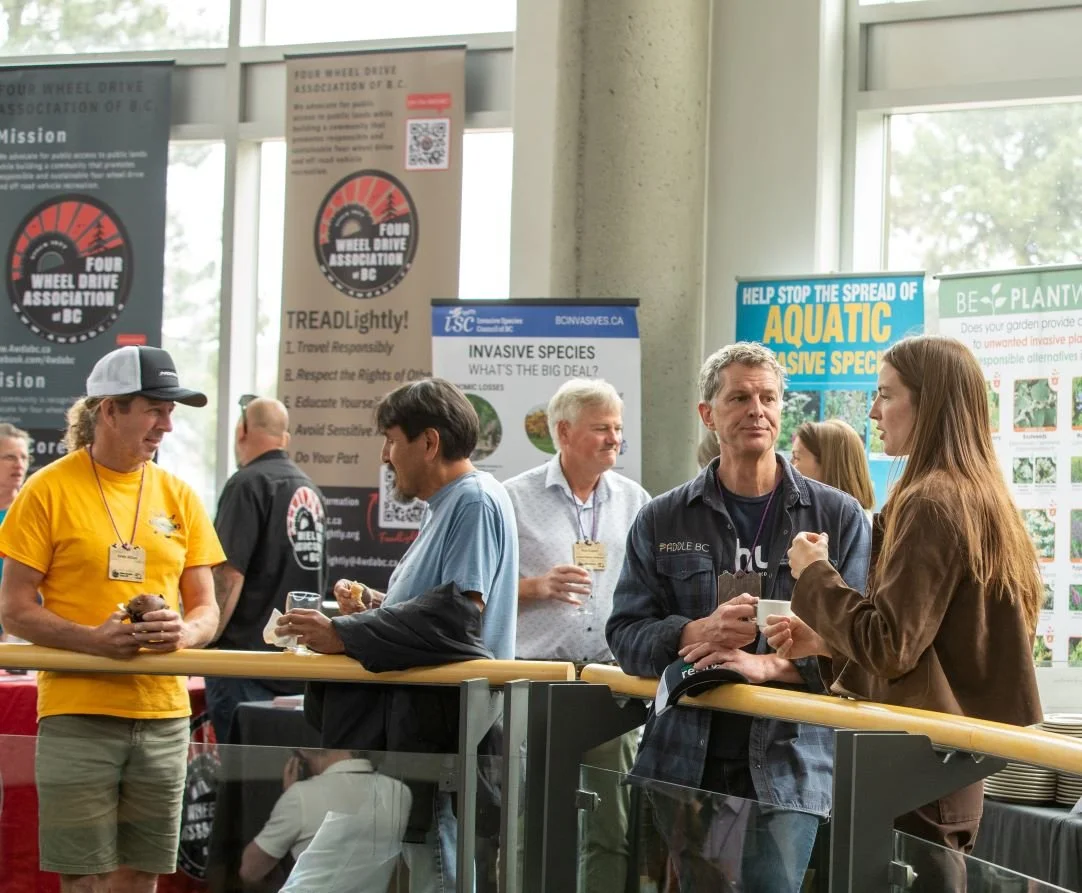
Image: Andrea Heath Photography
Three-quarters of the people who attended the first Outdoor Recreation Council of BC conference say it exceeded their expectations.
The reasons for the enthusiasm for the 2.5-day event held in Kamloops from May 20 to 22 varied. For some, it was the pre-conference Mountain Bike Industry Day and trail-building workshop. Others appreciated support for non-profit operations, like presentations on sustainable funding and recruitment models and workshops on project management and board governance. Panels discussing the future of resource roads, regenerative travel and cumulative effects generated rich interest. And a highlight for many was the unveiling of the provincial government’s Outdoor Recreation Strategy, as well as a closing keynote speech by the Minister of the Environment and Parks.
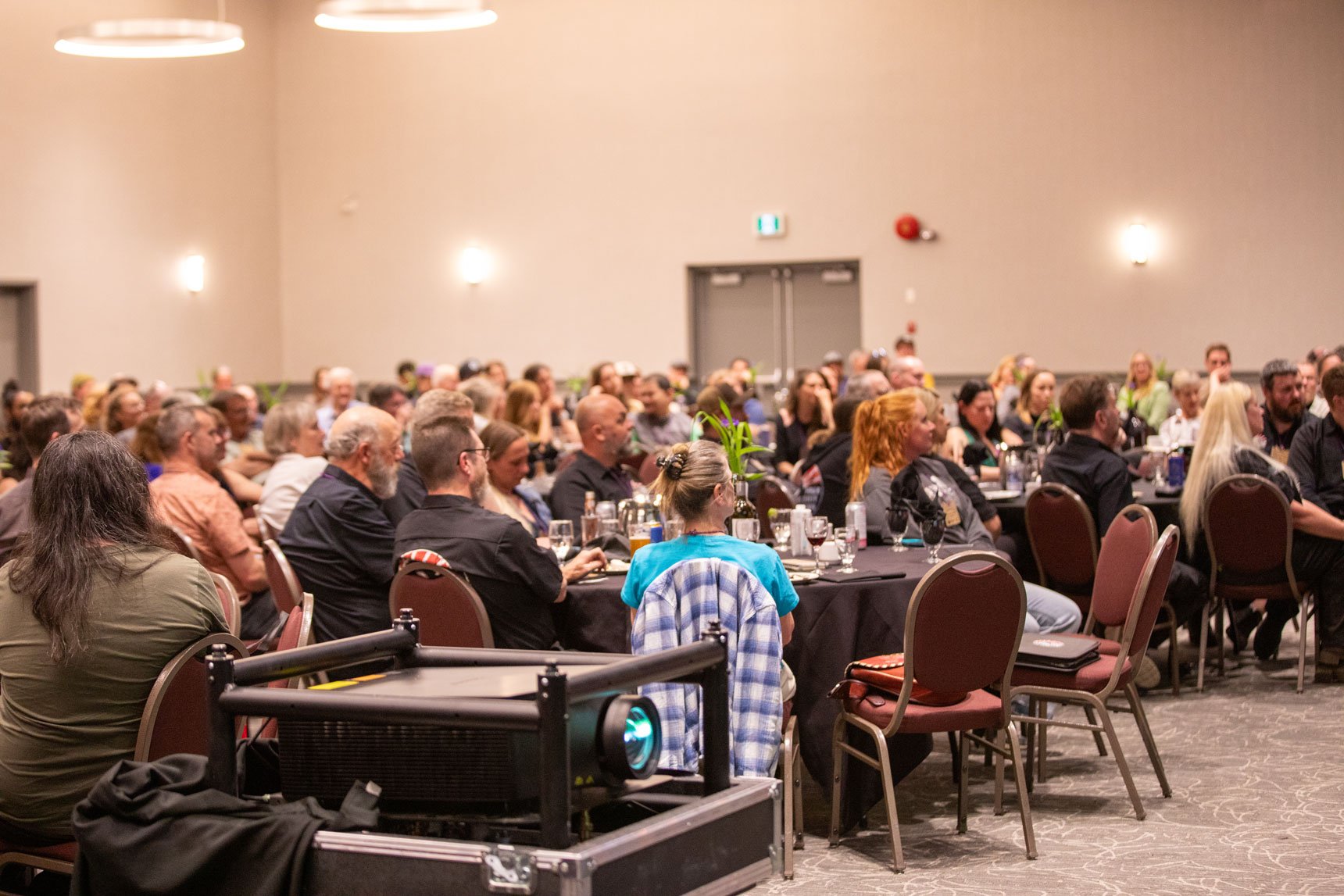
But the most common reason for the enthusiastic praise came down to something simple: the power of presence. Gather 300 passionate people into the same room, and good conversations happen.
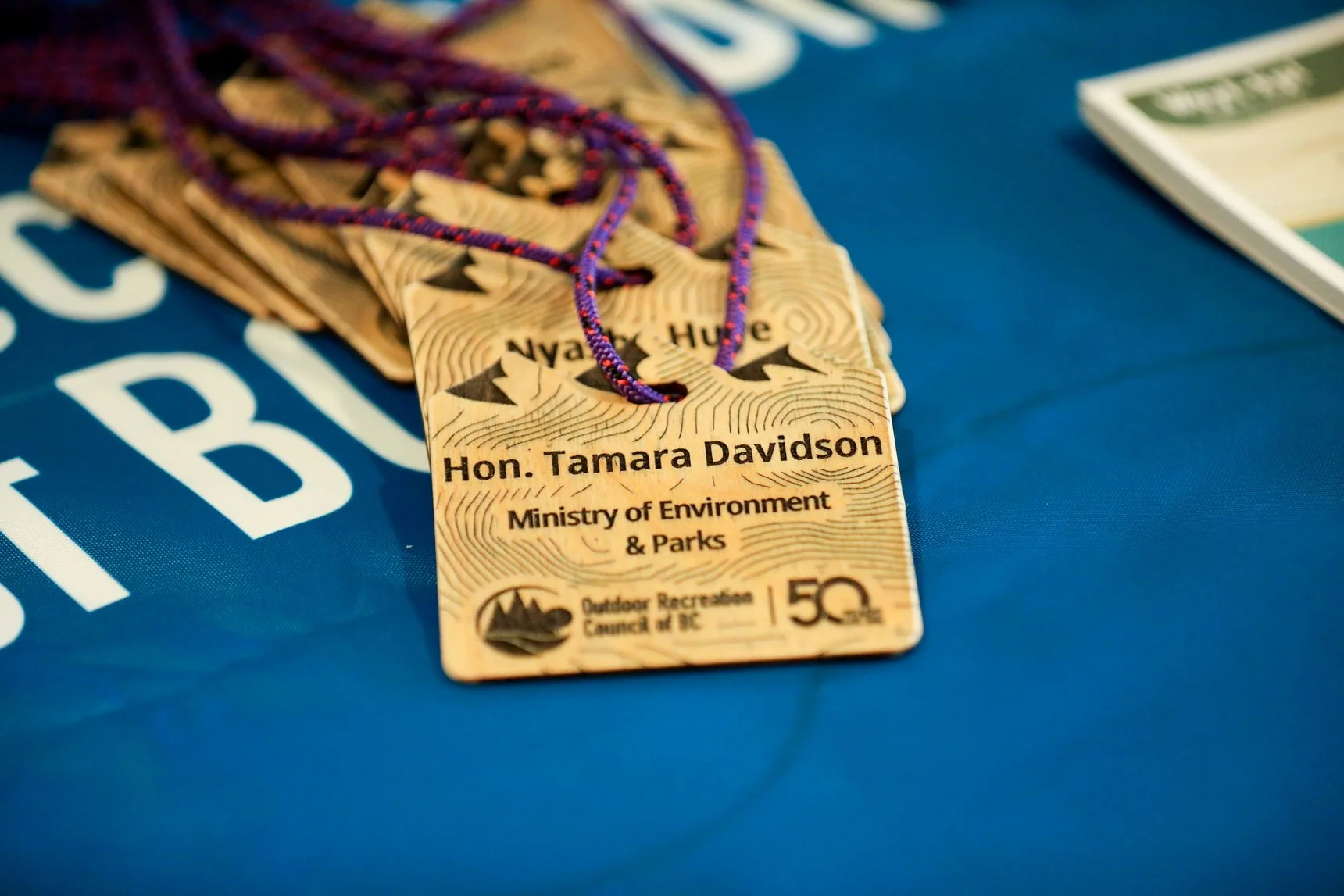
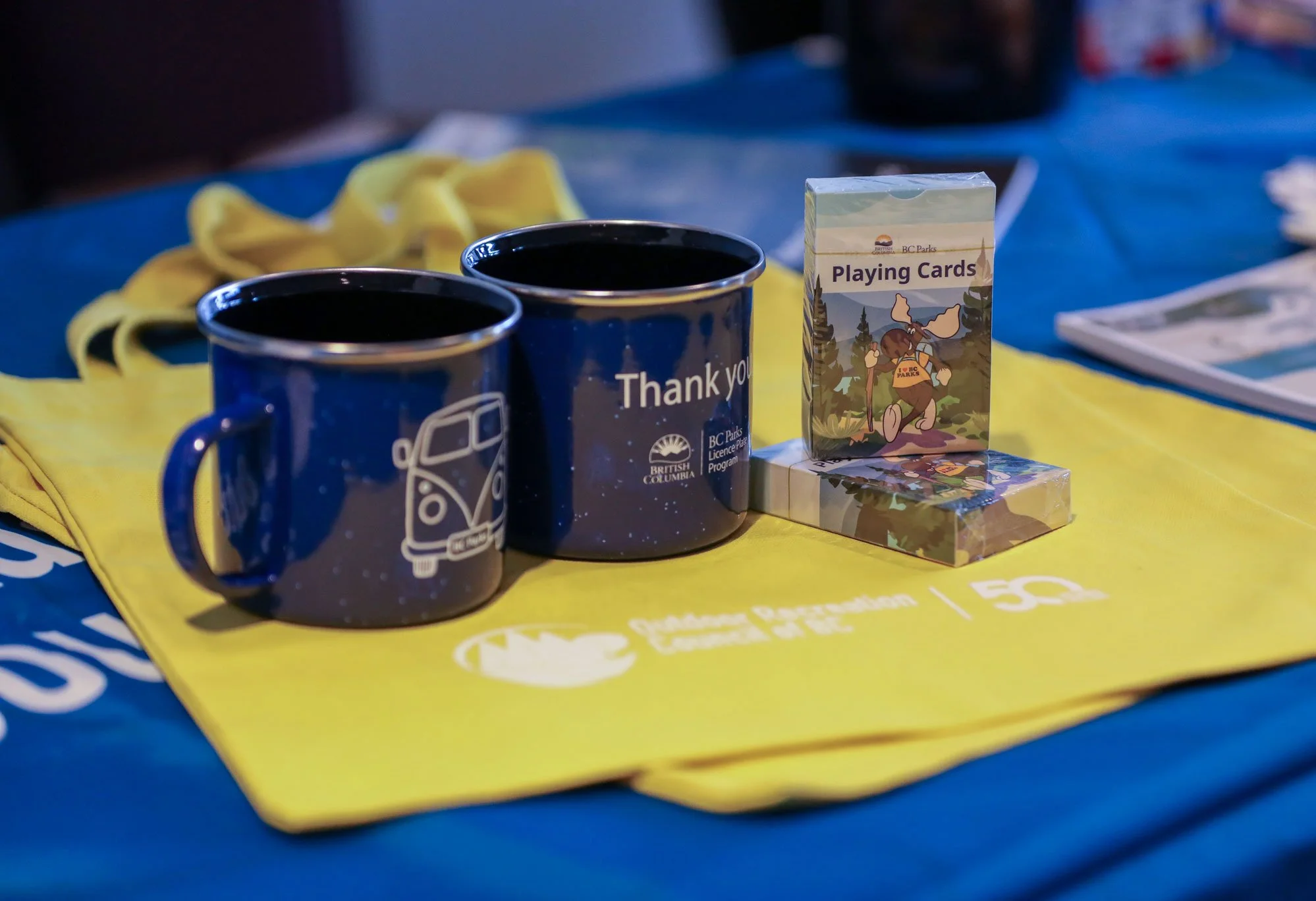
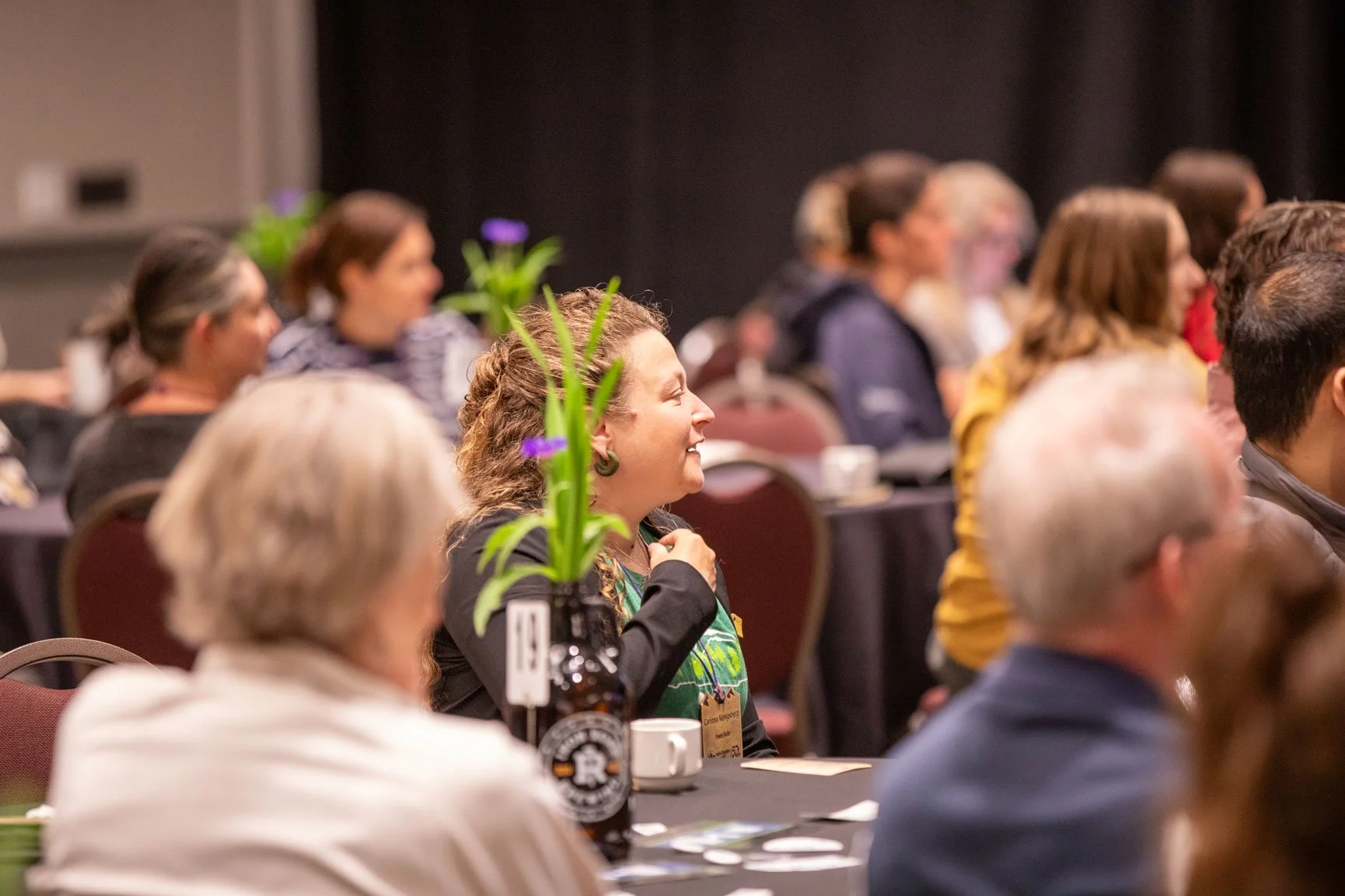
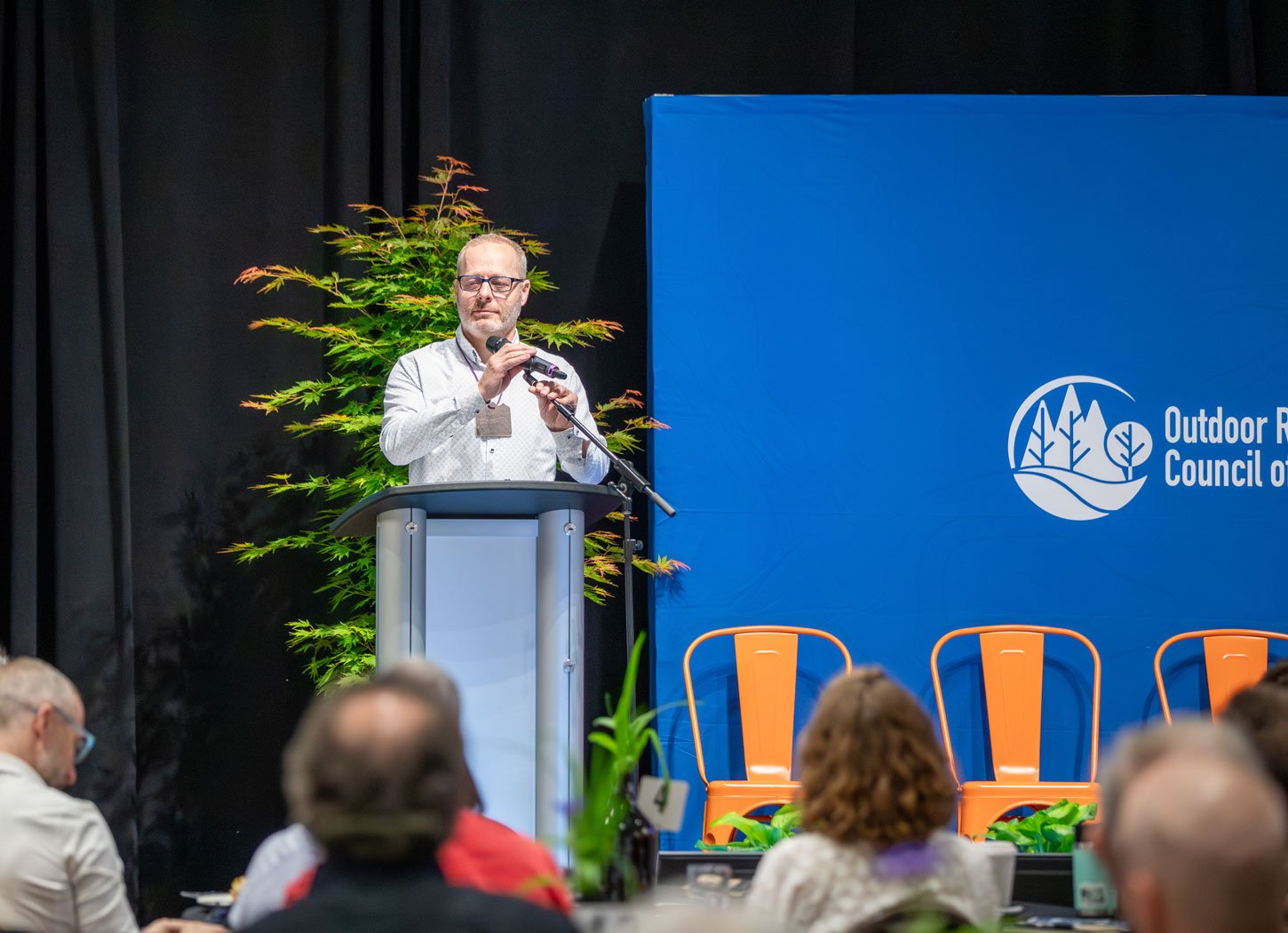
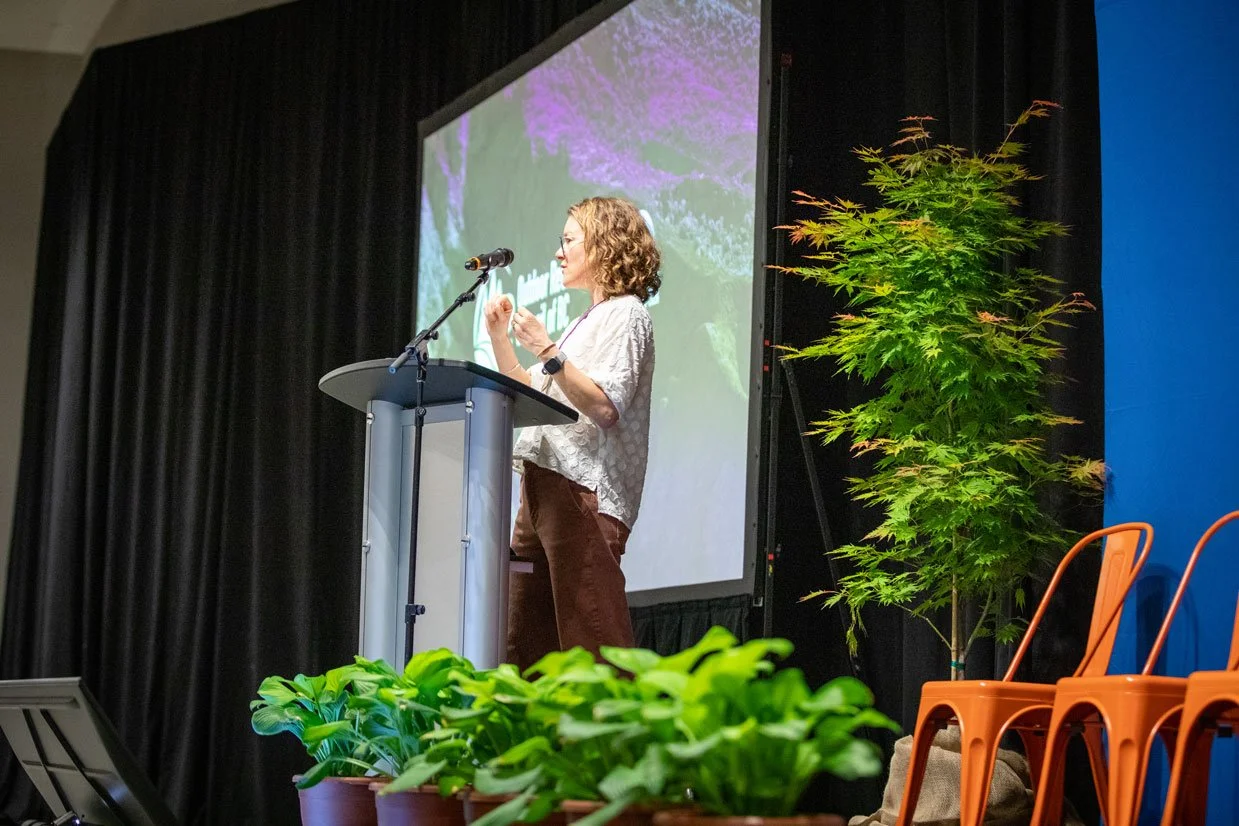
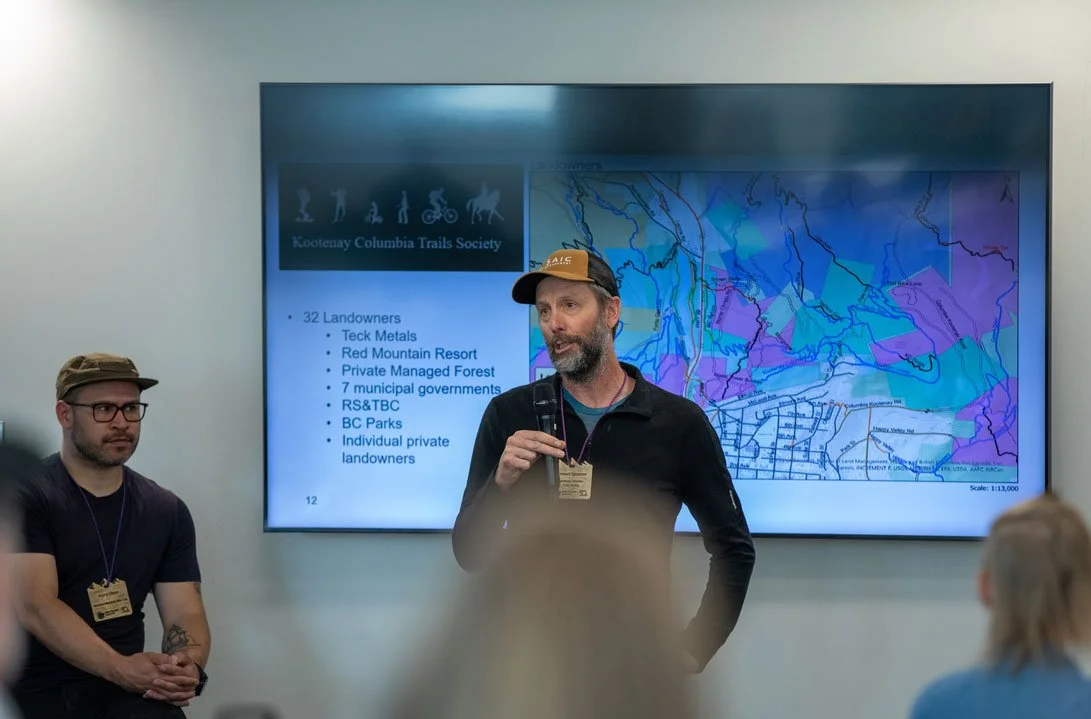
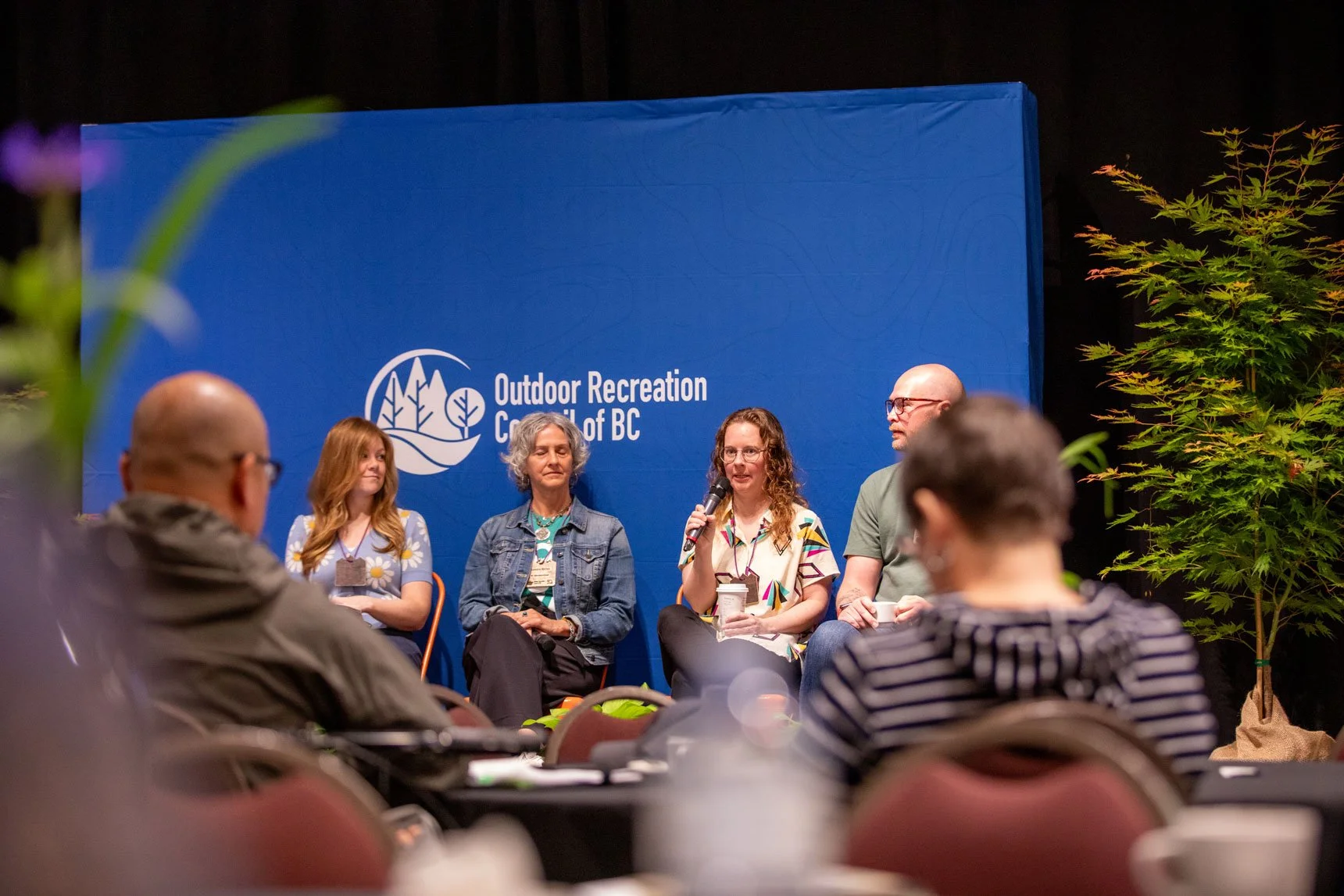
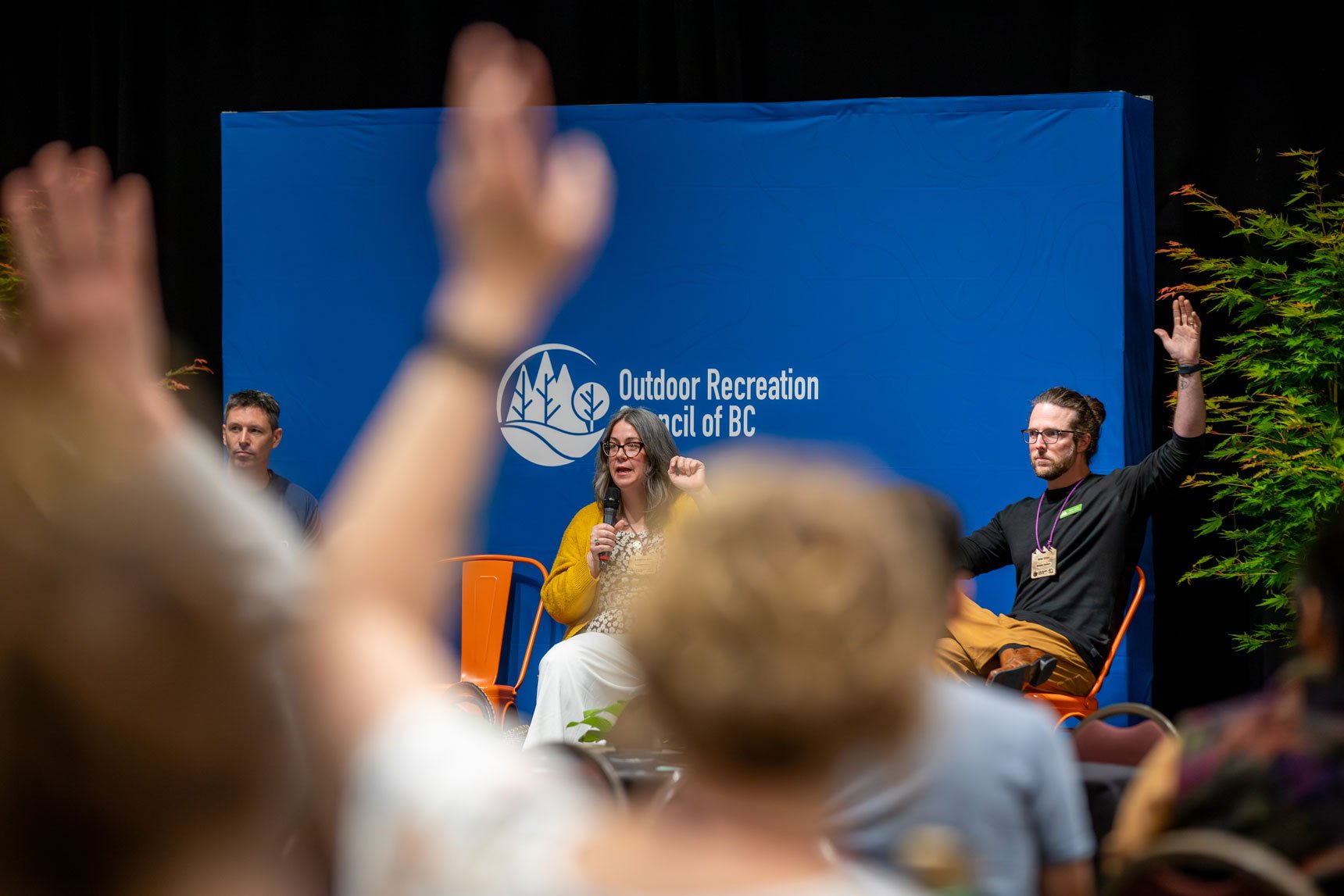
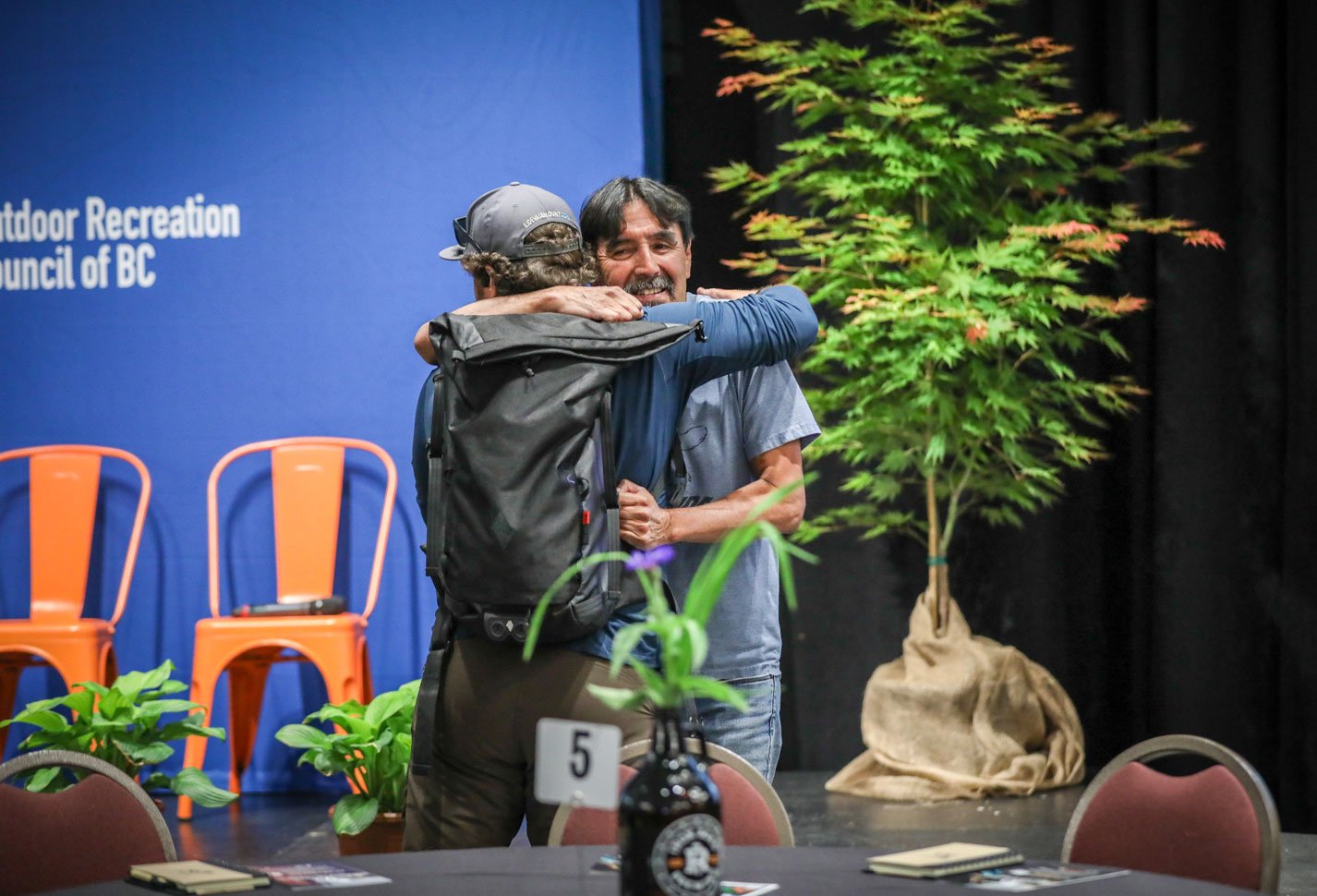
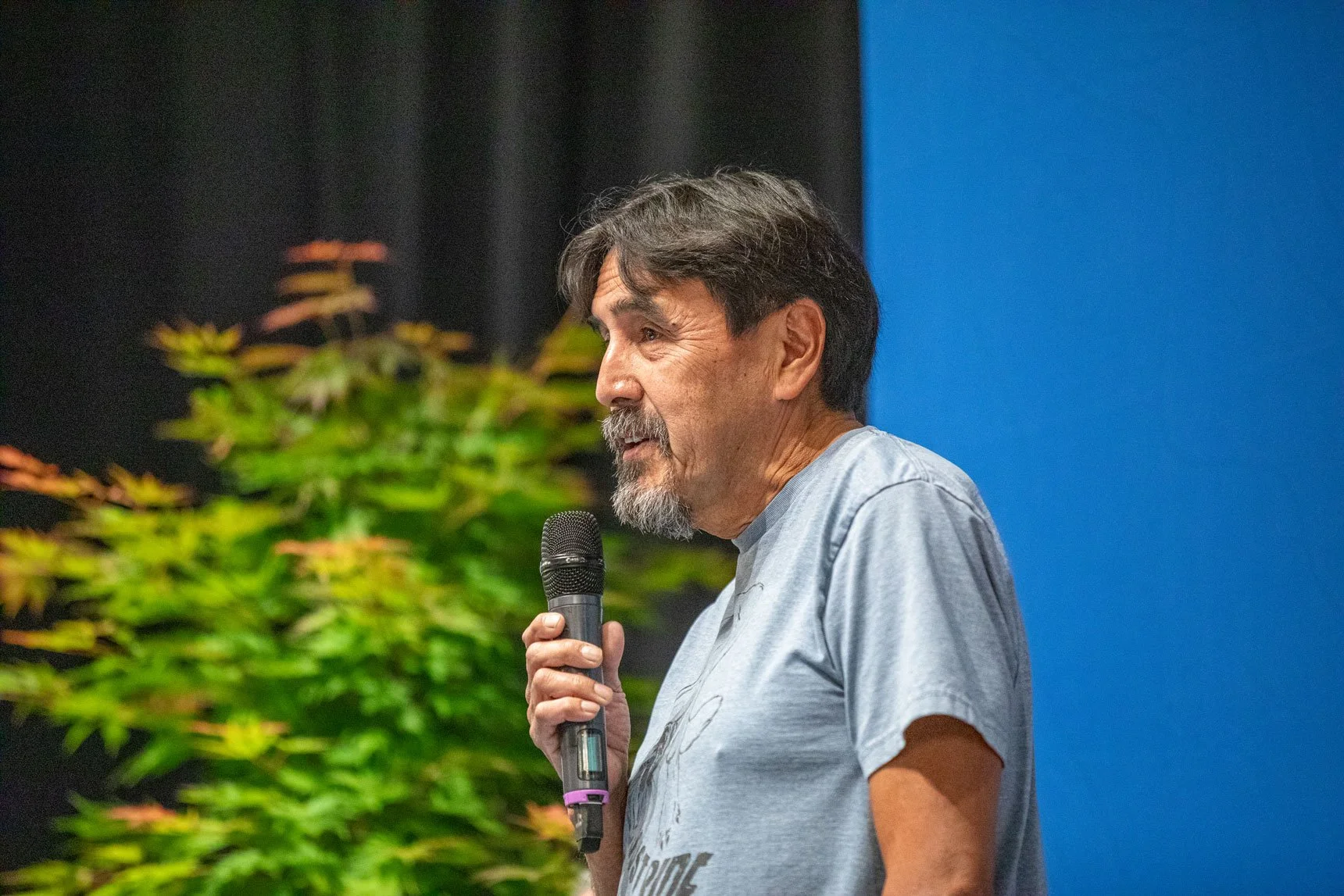
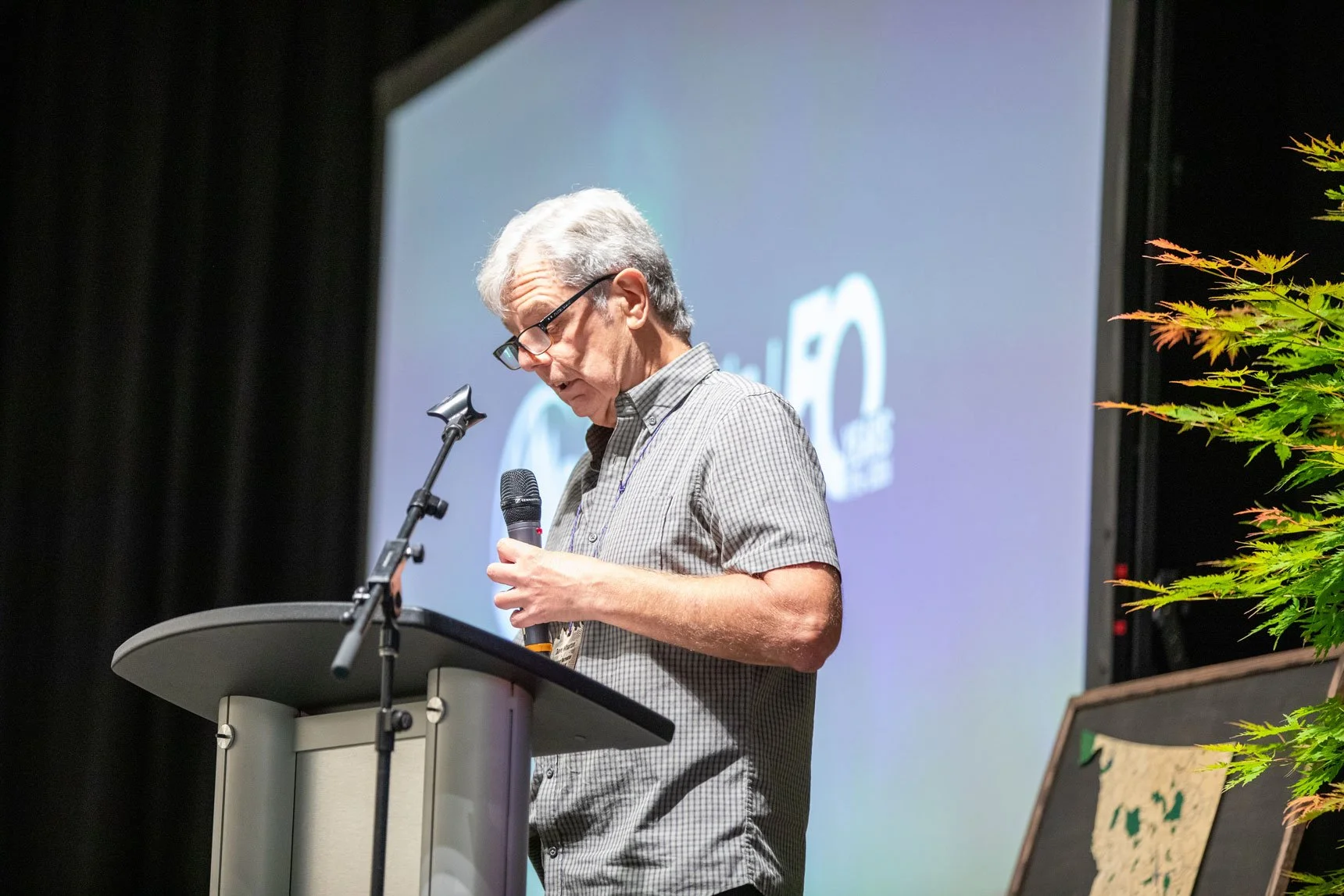
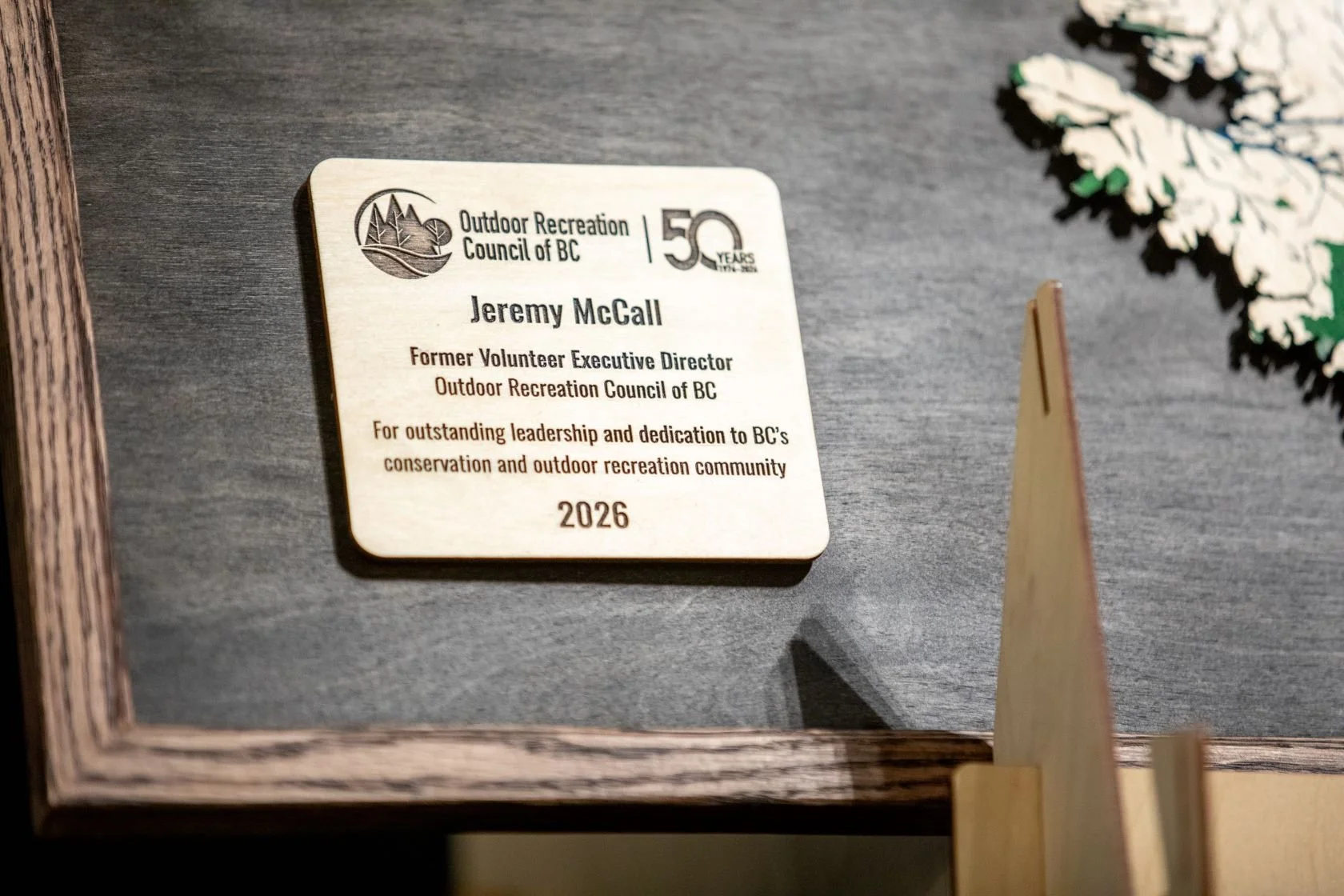
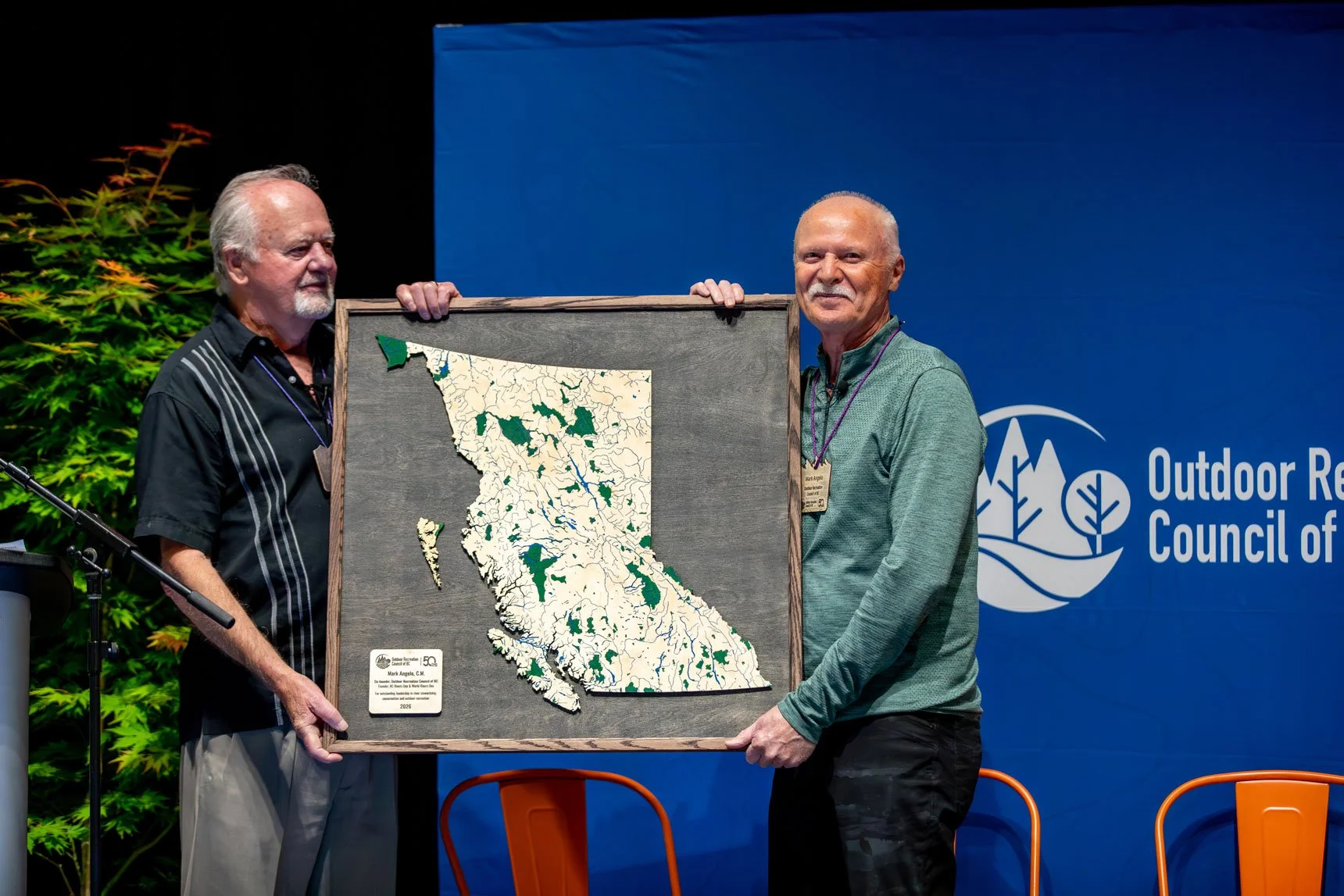
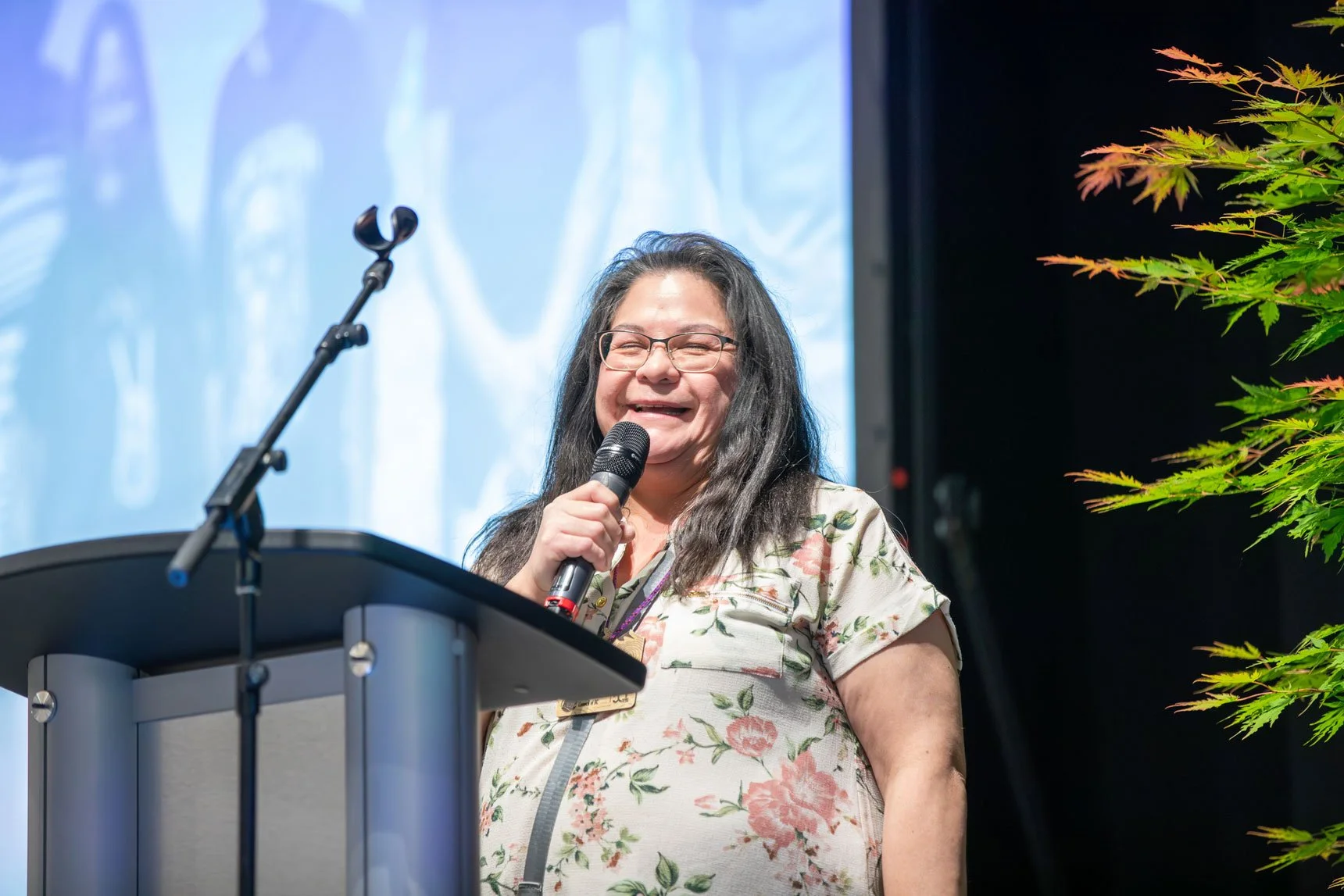
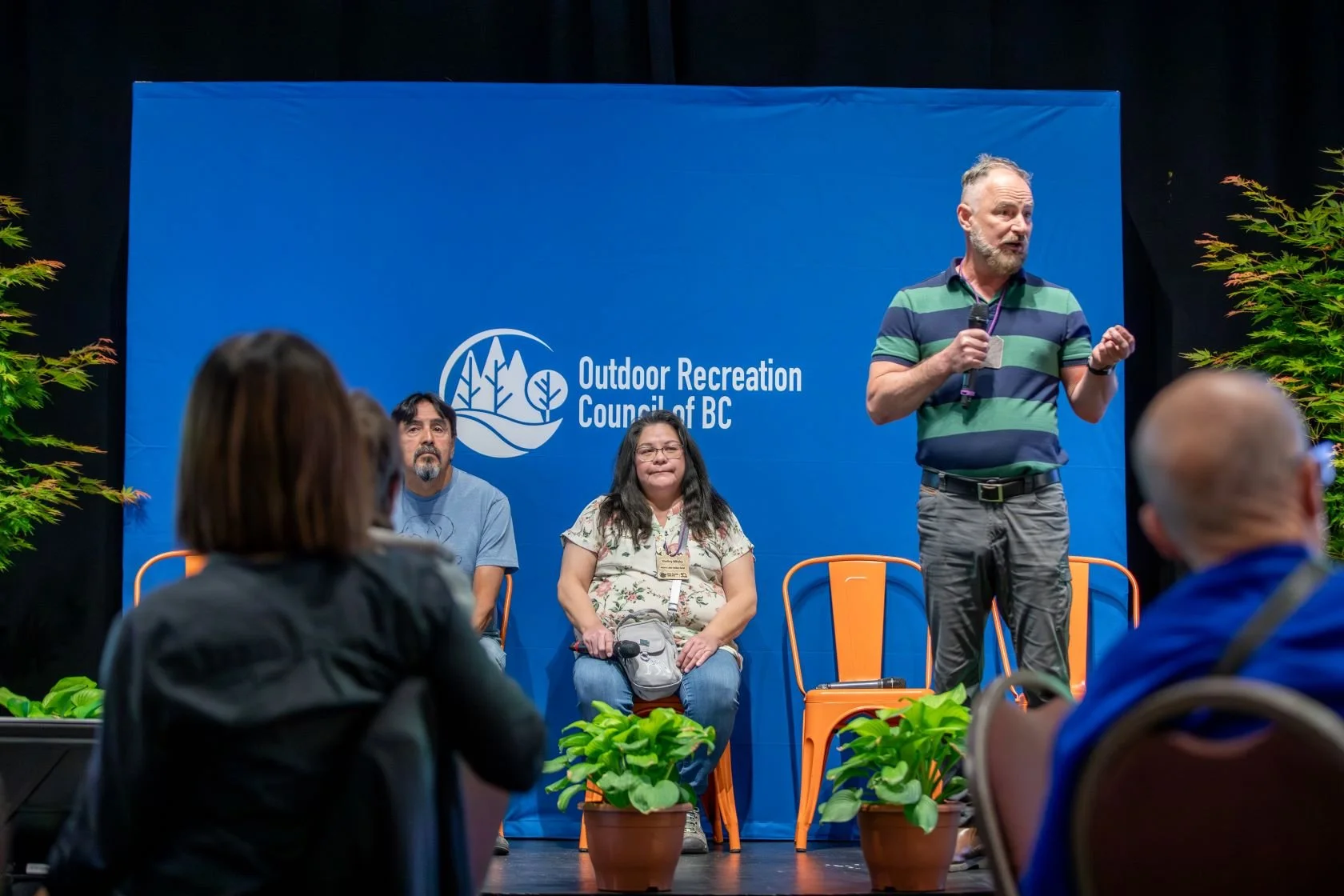
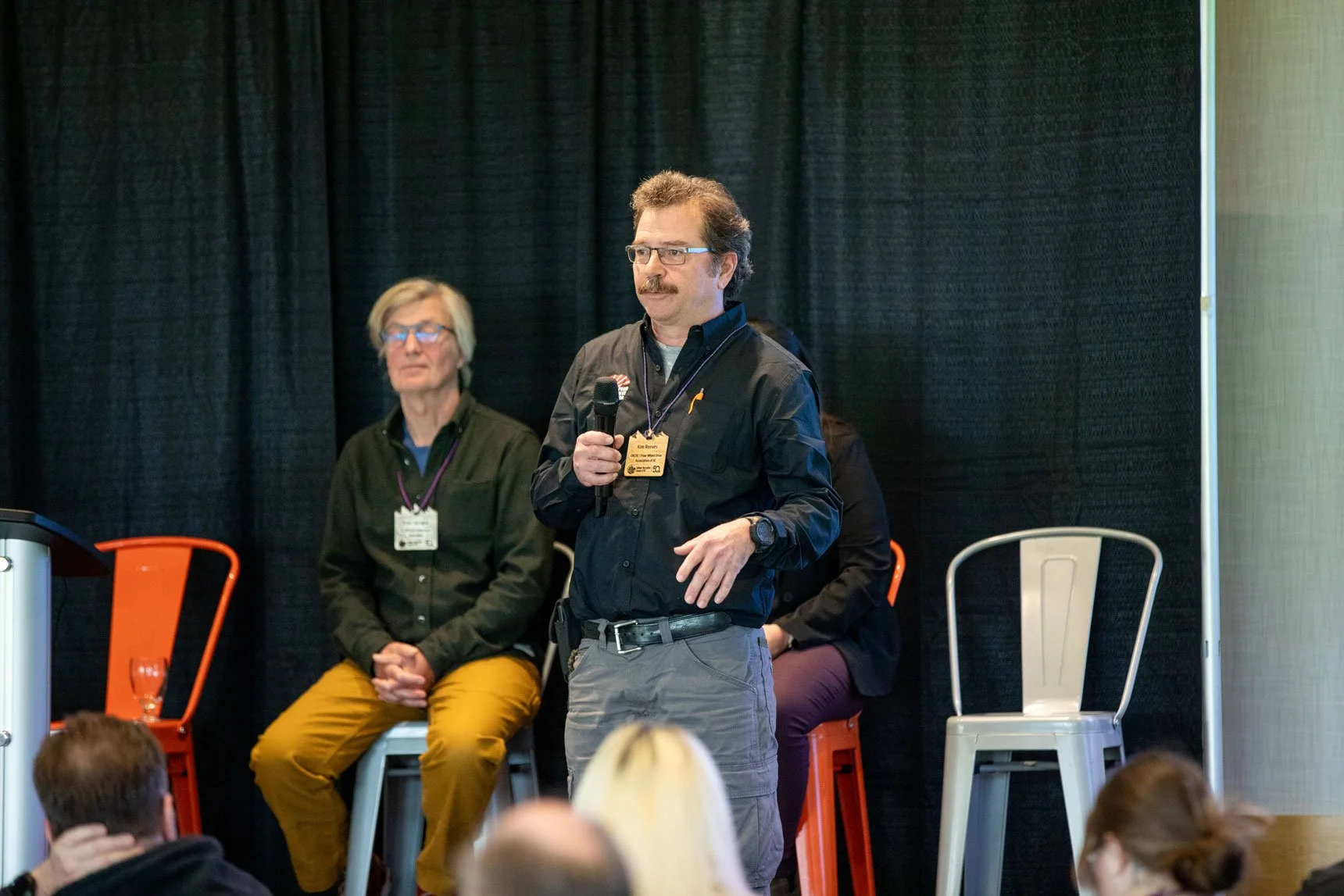
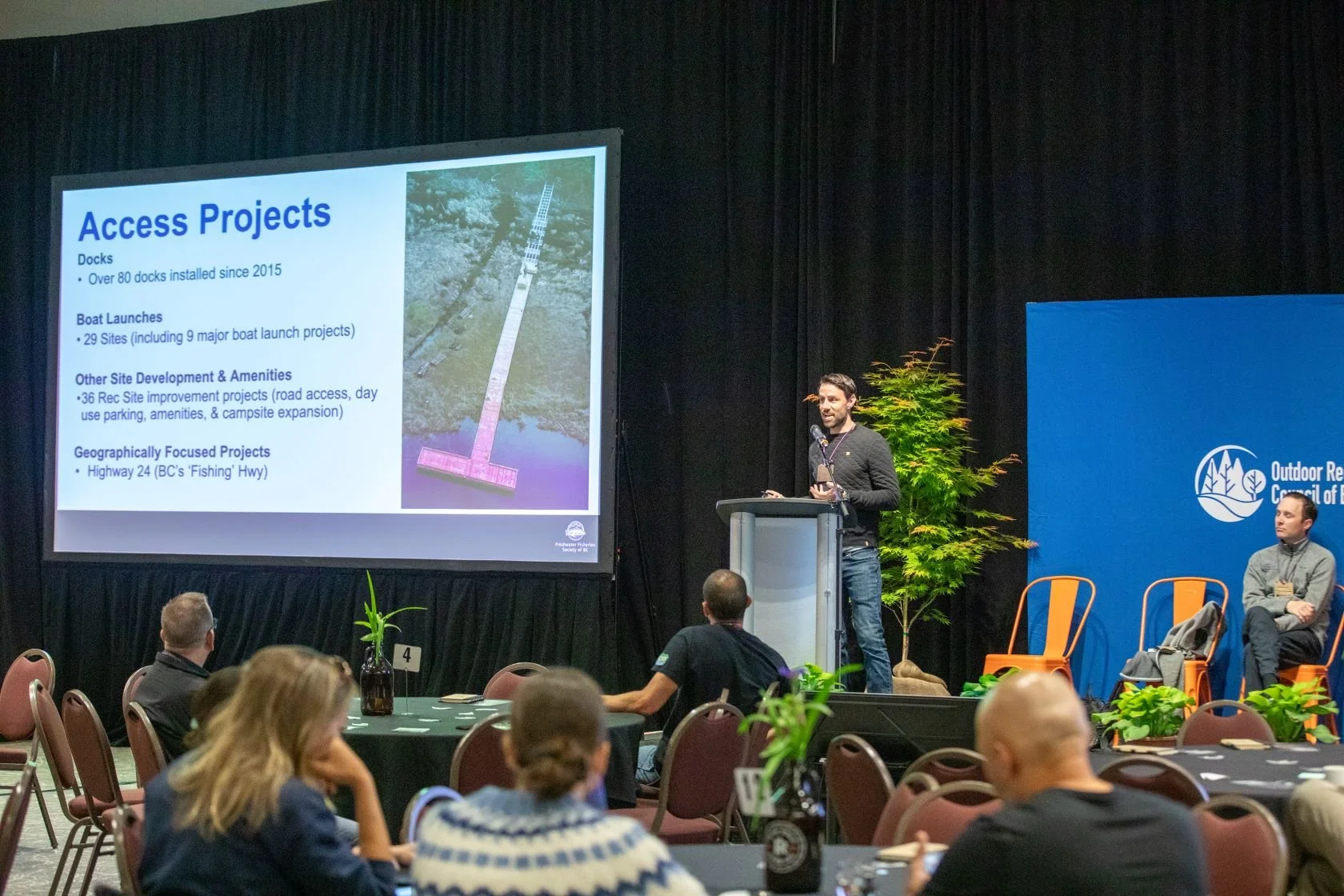
Photos: Andrea Heath Photography
“I think the conference highlighted the ORCBC’s role as a convener of the outdoor recreation industry in the province,” says Louise Pedersen, the executive director of the ORCBC. “We set the stage for everyone to come together, created space for interesting conversations, and then got out of the way to let the magic happen.”
The ORCBC has been playing this role since its founding in 1976, and the golden anniversary came at the perfect time to bring the community together. The ORCBC’s 50th Anniversary Conference: Building Stronger Communities Through Outdoor Recreation was the first event to bring the entire outdoor recreation industry together. It was something the community was thirsty for: the conference sold out weeks ago.
Thompson Rivers University played host. Its central location made it accessible to attendees from across the province. People came from as far away as Tumbler Ridge and Bella Bella, and from as close as the TRU campus. The city’s easy access to fishing, hiking, mountain biking, and paddling, all within a rare grasslands ecosystem, made it an ideal location to bring together the outdoor recreation community, says Pedersen.
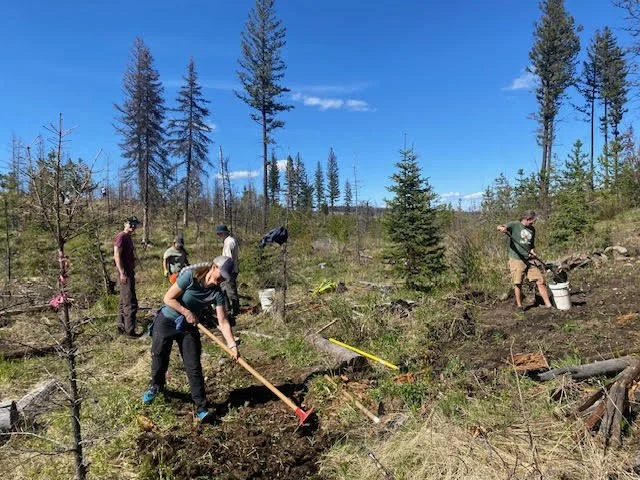
Trail building workshop led by Rocky Blondin. Image credit: Justin Darbyshire.
The conference started with a selection of pre-conference workshops, including a day of mountain bike and trail-building content organized in partnership with Mountain Biking BC. A registration and networking event followed, also a collaborative effort, this time with the BC Protected Areas Research Forum (BCPARF), whose conference overlapped with the ORCBC event.
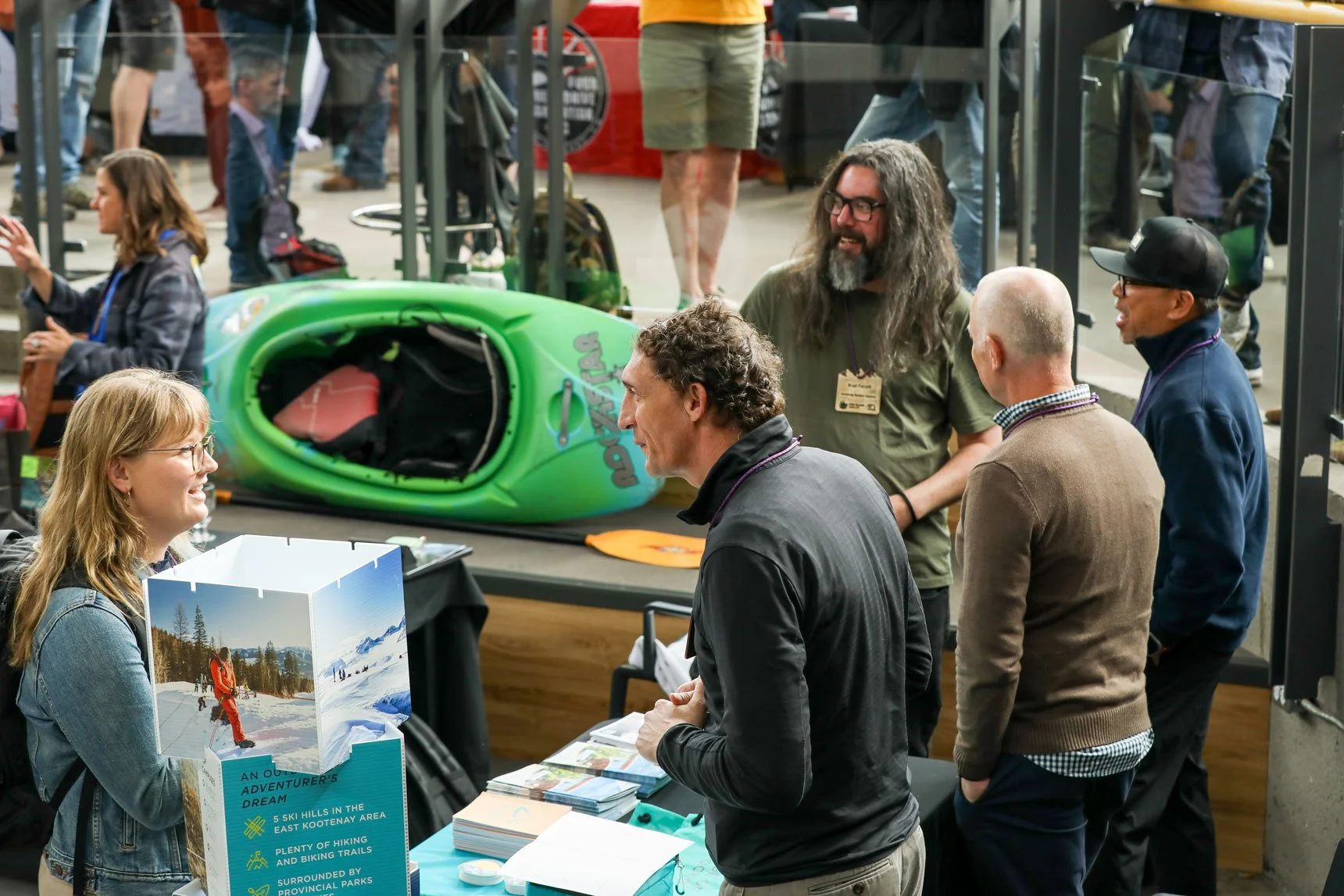
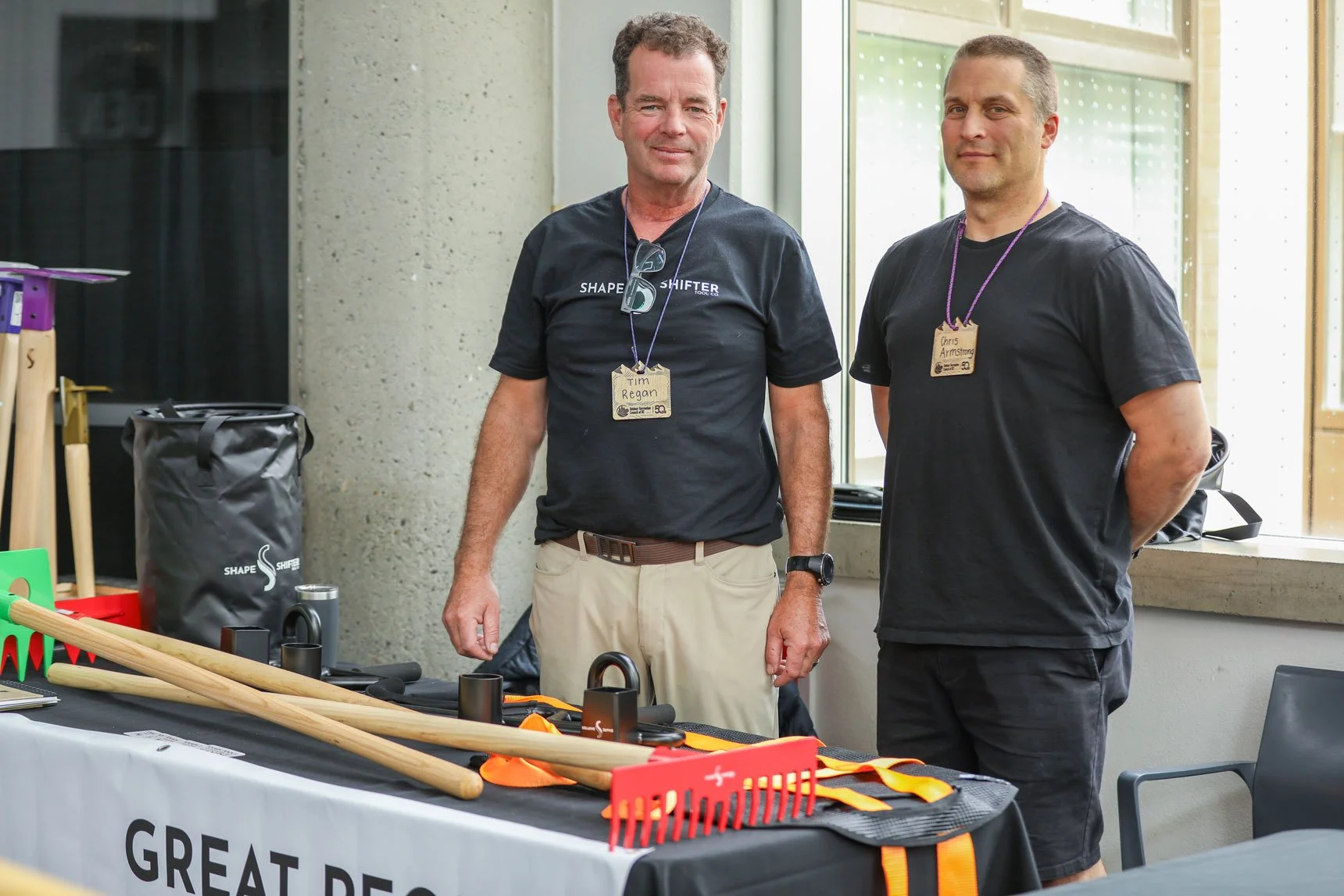
The TRU conference centre steadily filled with attendees from both conferences, generating conversations and mingling among the vendor displays in the indoor expo and the outdoor gear village, which included demos of mobility-assistance devices and gear-repair trailers from KORE Rehub and the Surfrider Foundation Resurf.
“This conference really was about bringing everyone together,” says Pedersen. “The diversity of people in attendance showed how far-reaching and impactful outdoor recreation is in B.C. We had everyone from outdoor gear makers to ministers, tourism operators, First Nations leaders, and land managers, and so many representatives from clubs and associations. It was so neat to see everyone together in one place.”
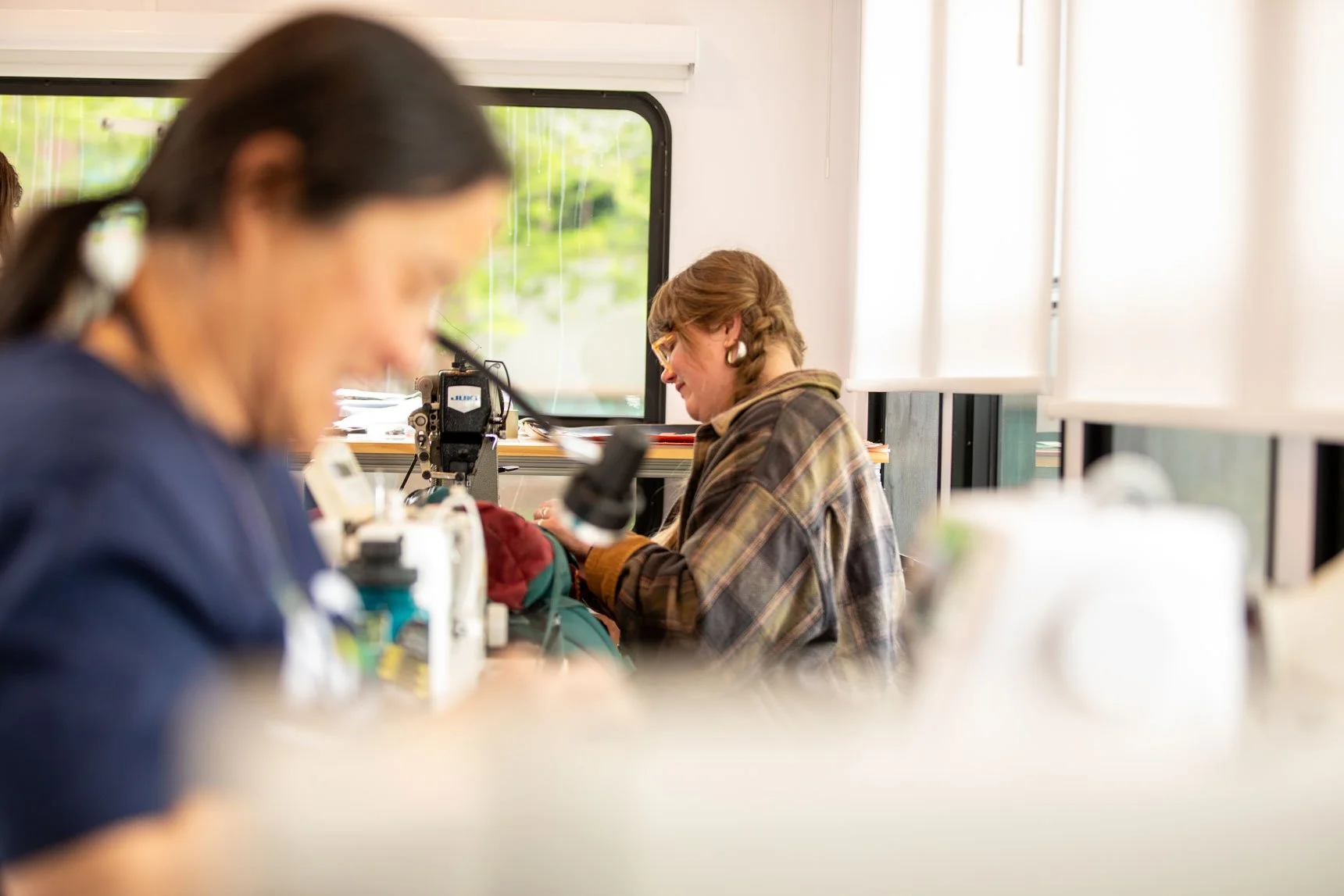
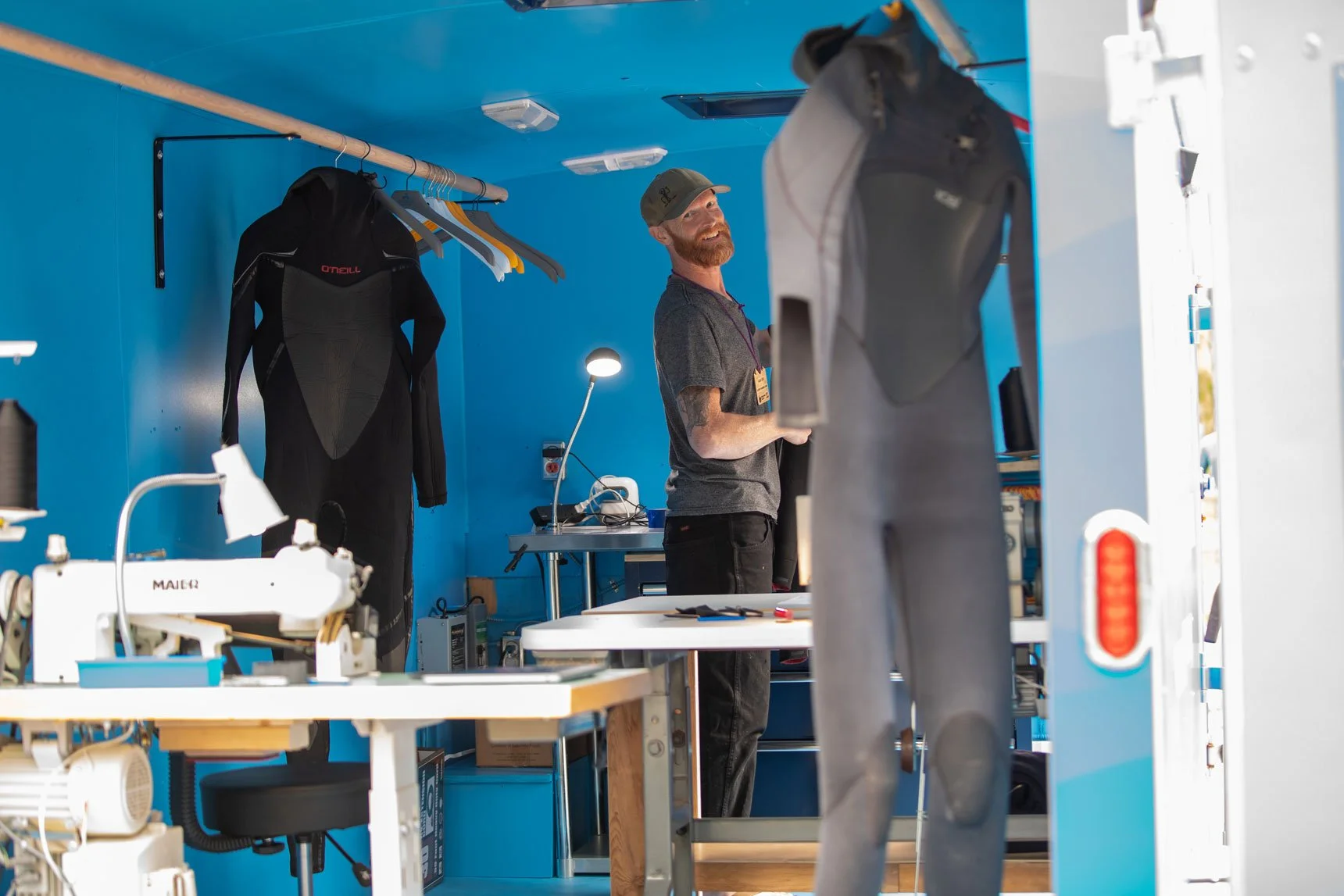
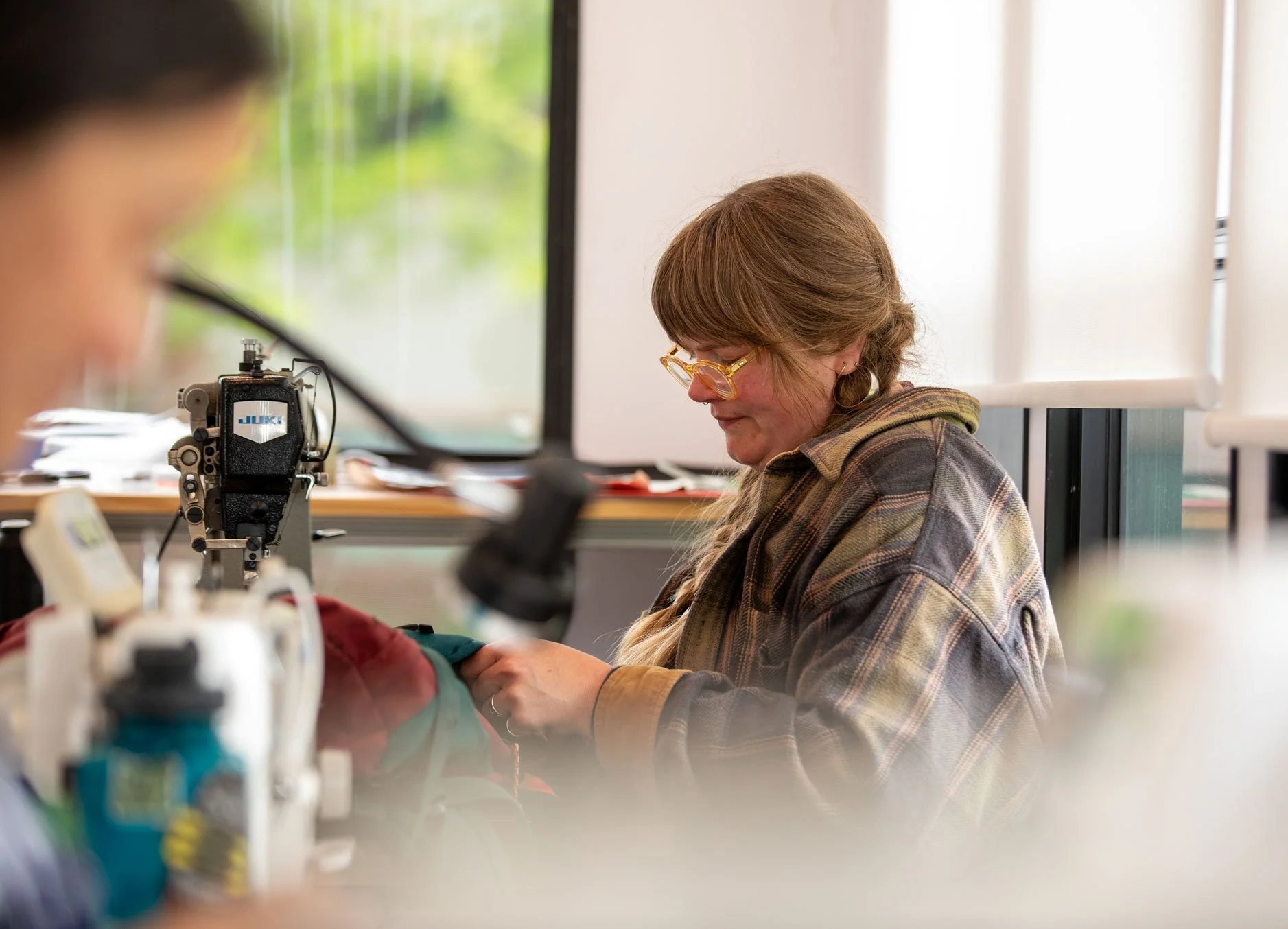
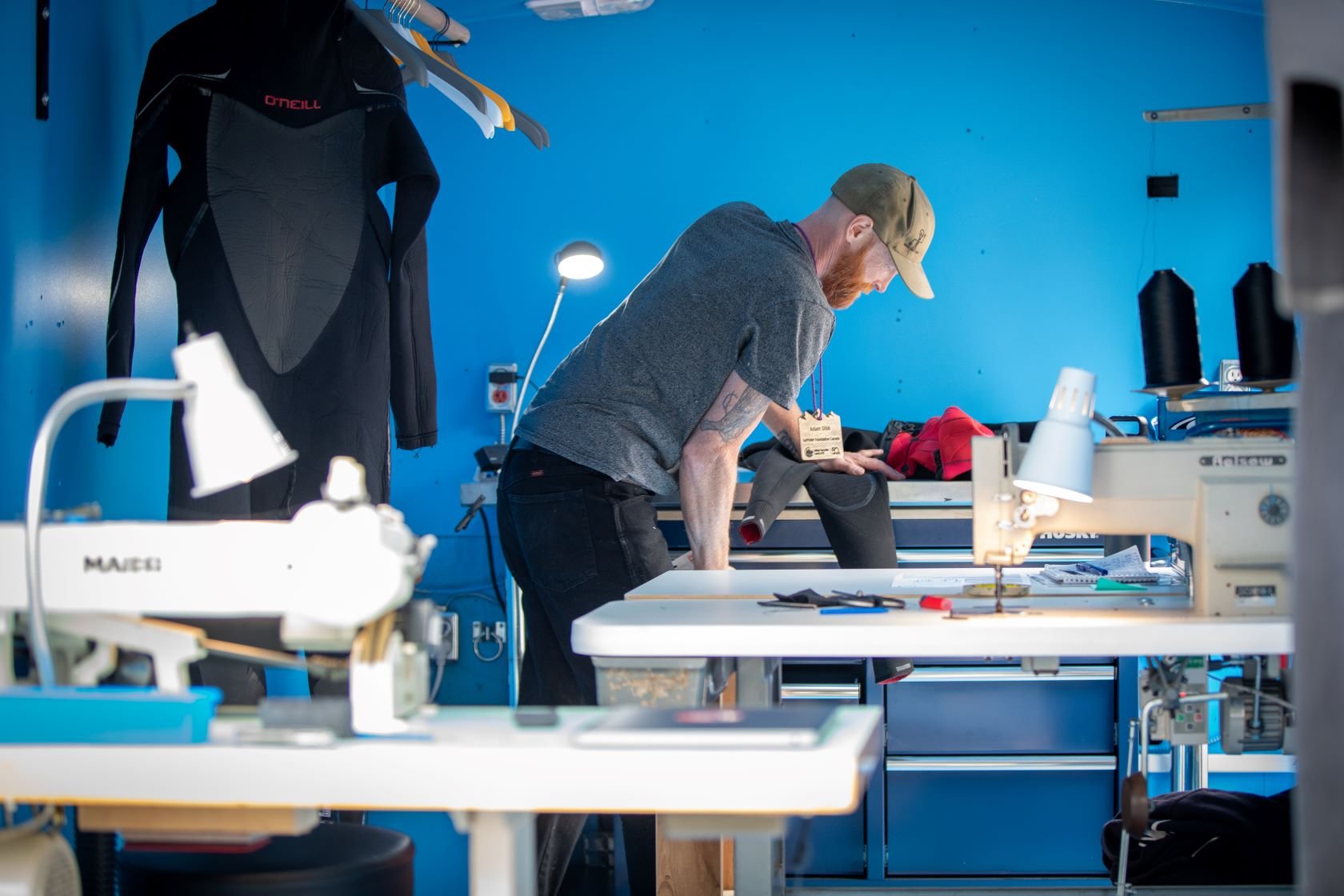
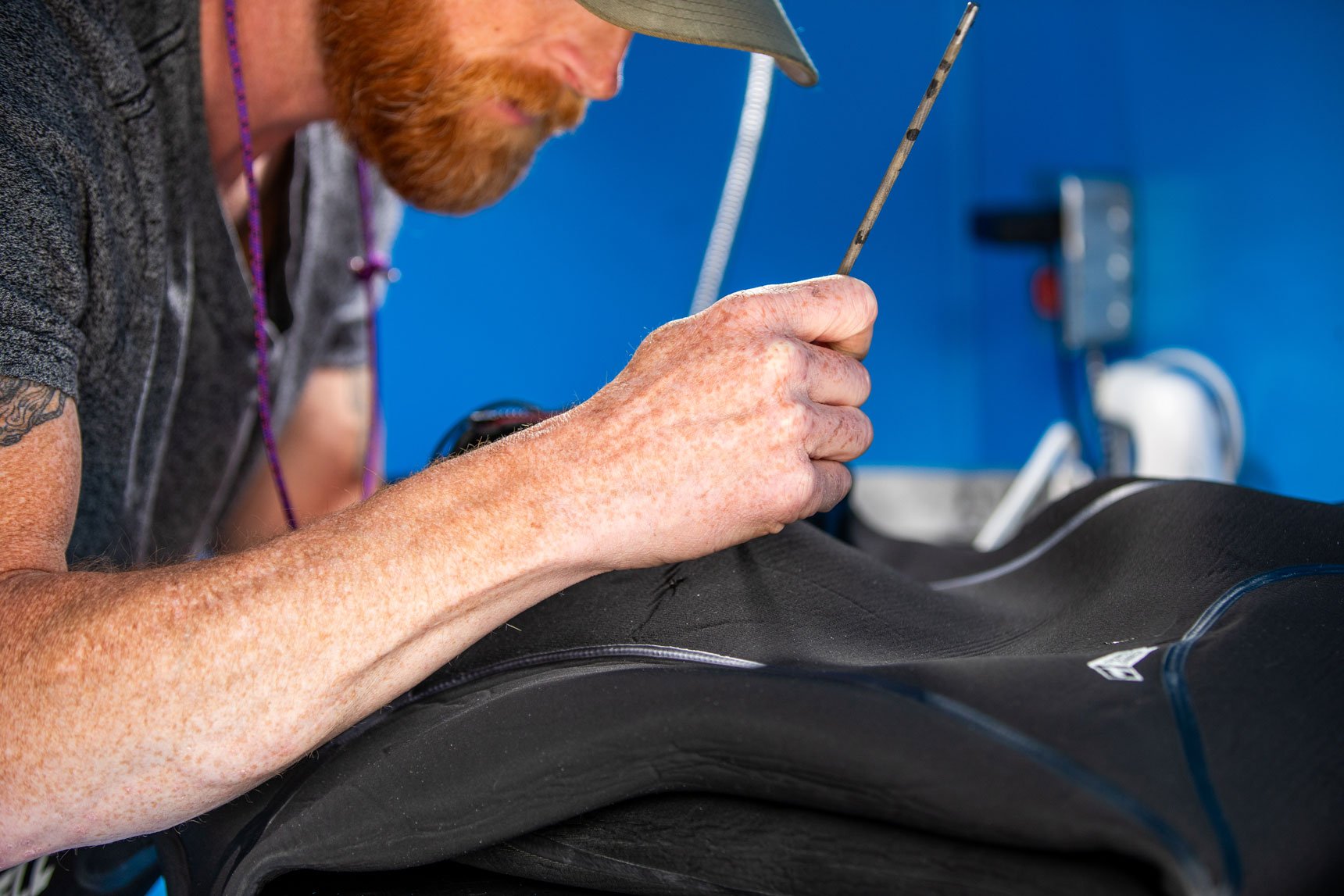
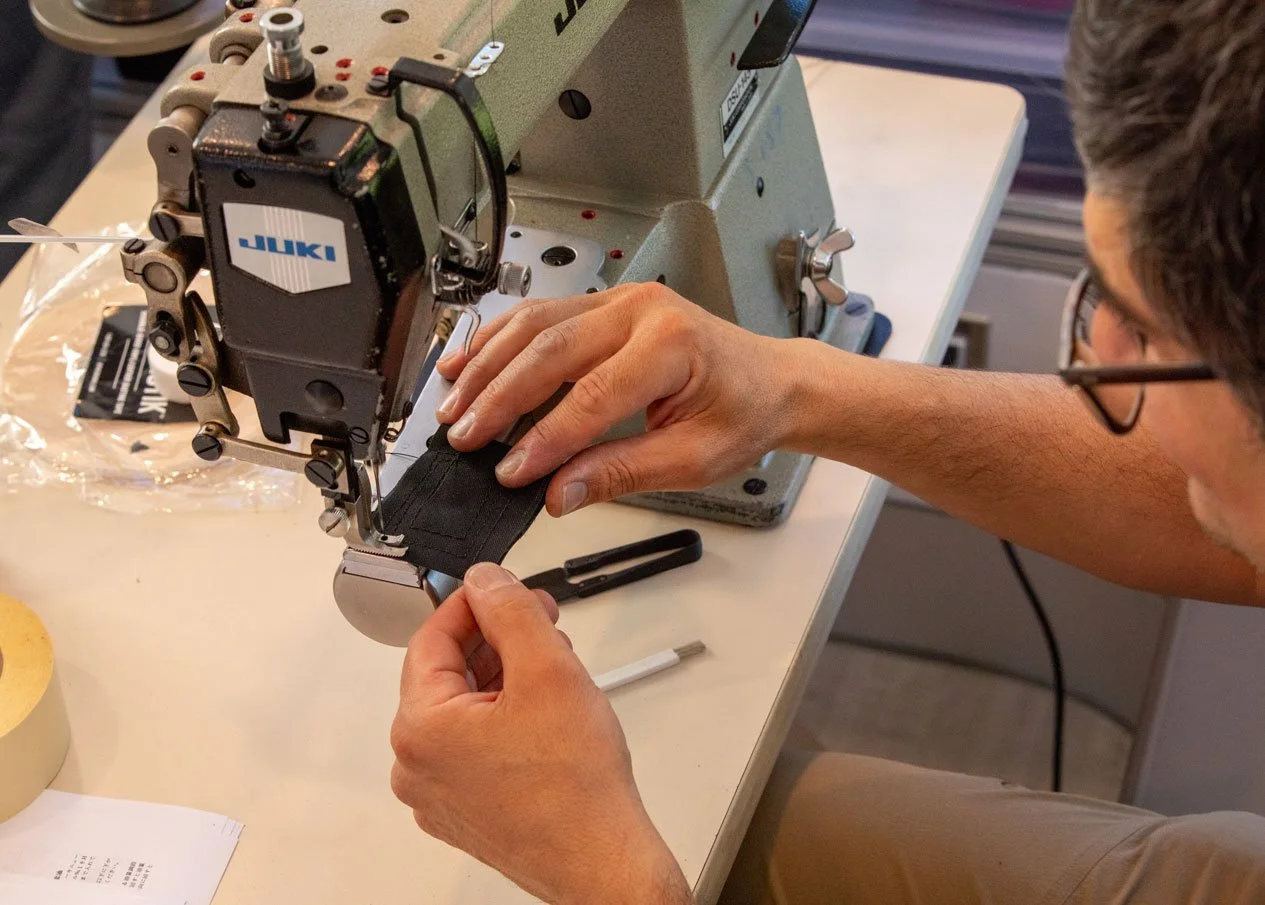
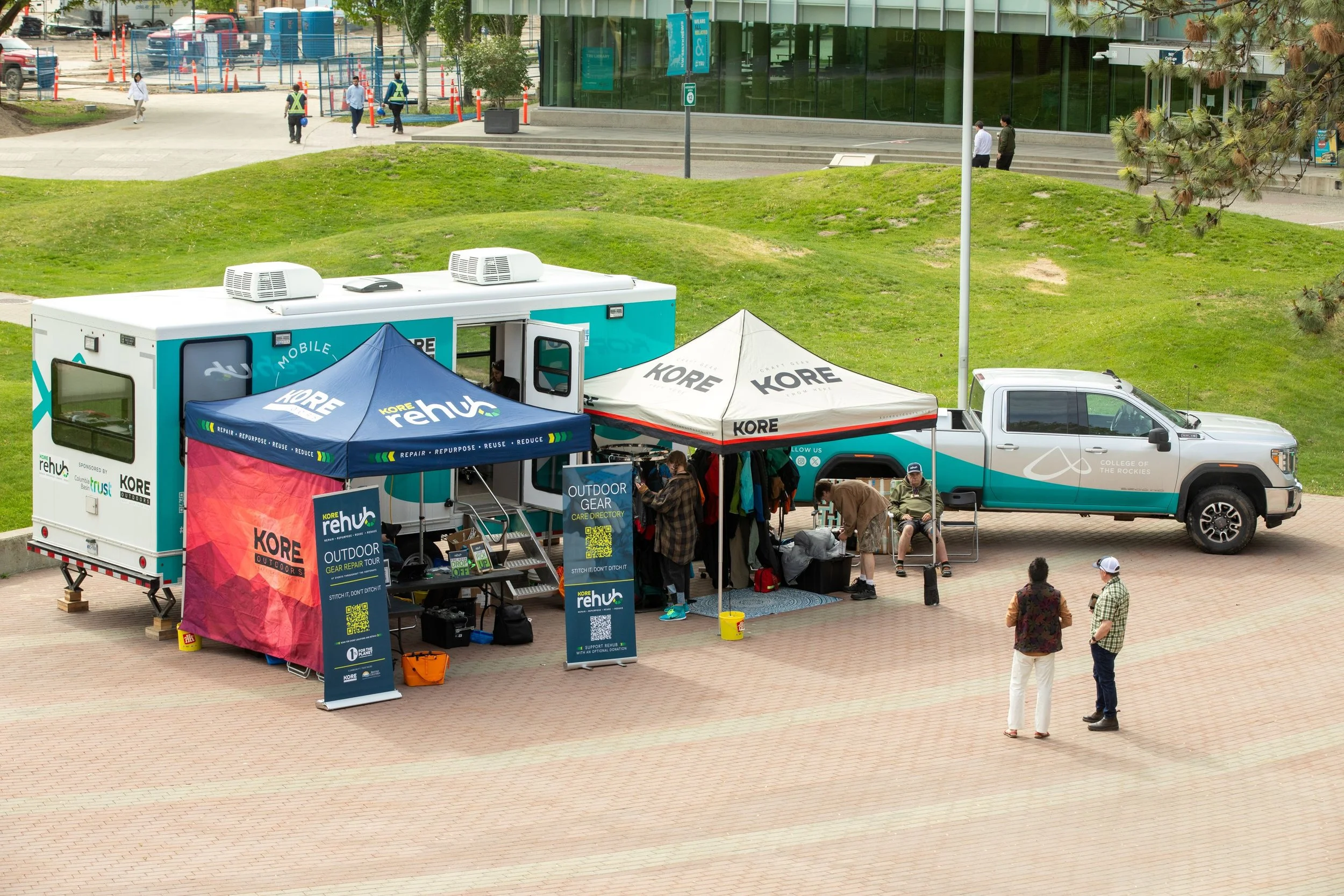
Photos: Andrea Heath Photography
The conference really kicked off on Thursday morning with a video recording by the Honourable Tamara Davidson, Minister of Environment and Parks, announcing the release of the long-awaited Look West: BC’s Outdoor Recreation Strategy. John Hawkings, the Executive Lead for Recreation Strategy & Service Transformation with the Ministry of Environment and Parks, followed with a presentation unpacking the strategy. The headline: the provincial government now counts Outdoor Recreation as one of the province’s eight core industries and will take an “all of government” approach to supporting it.
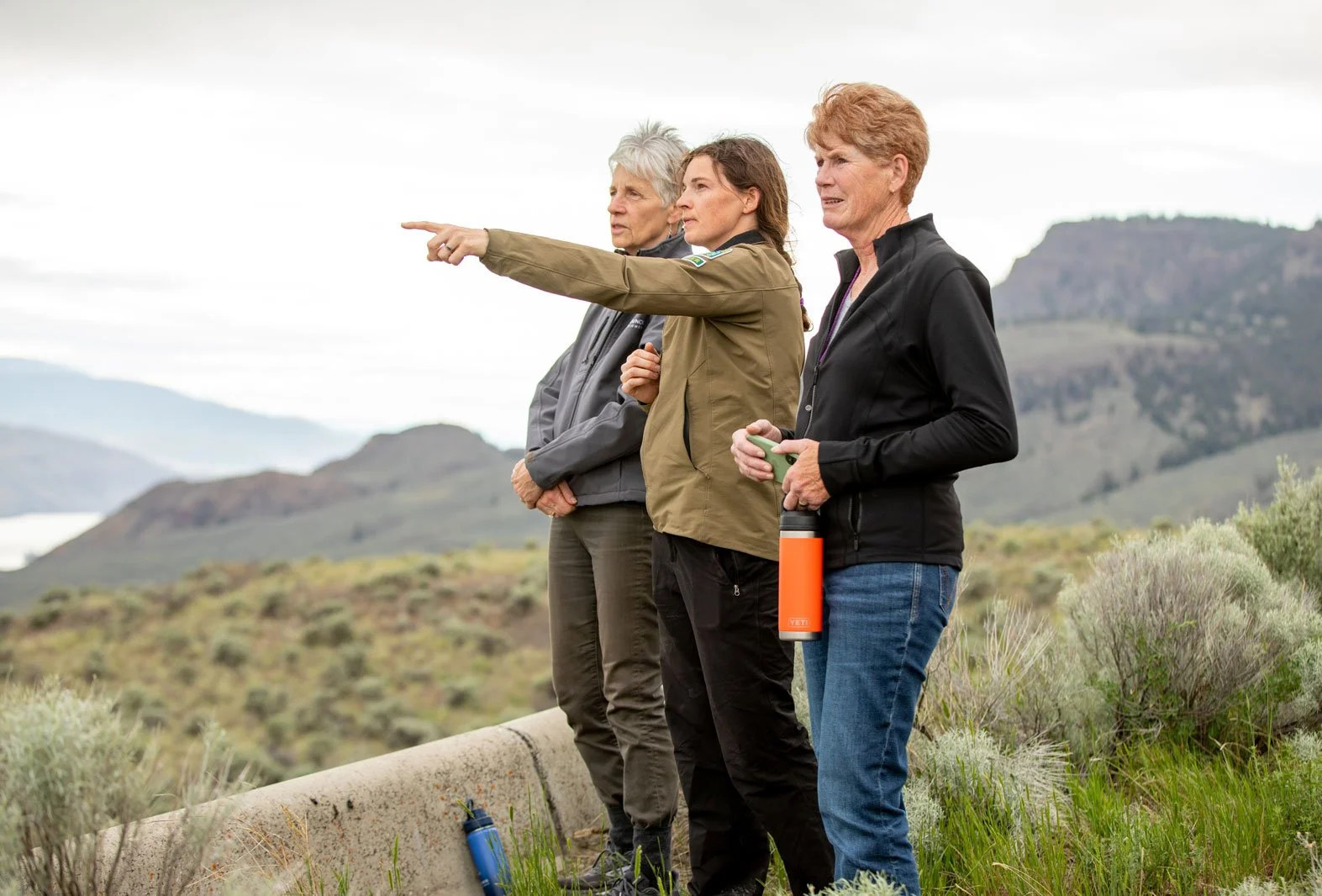
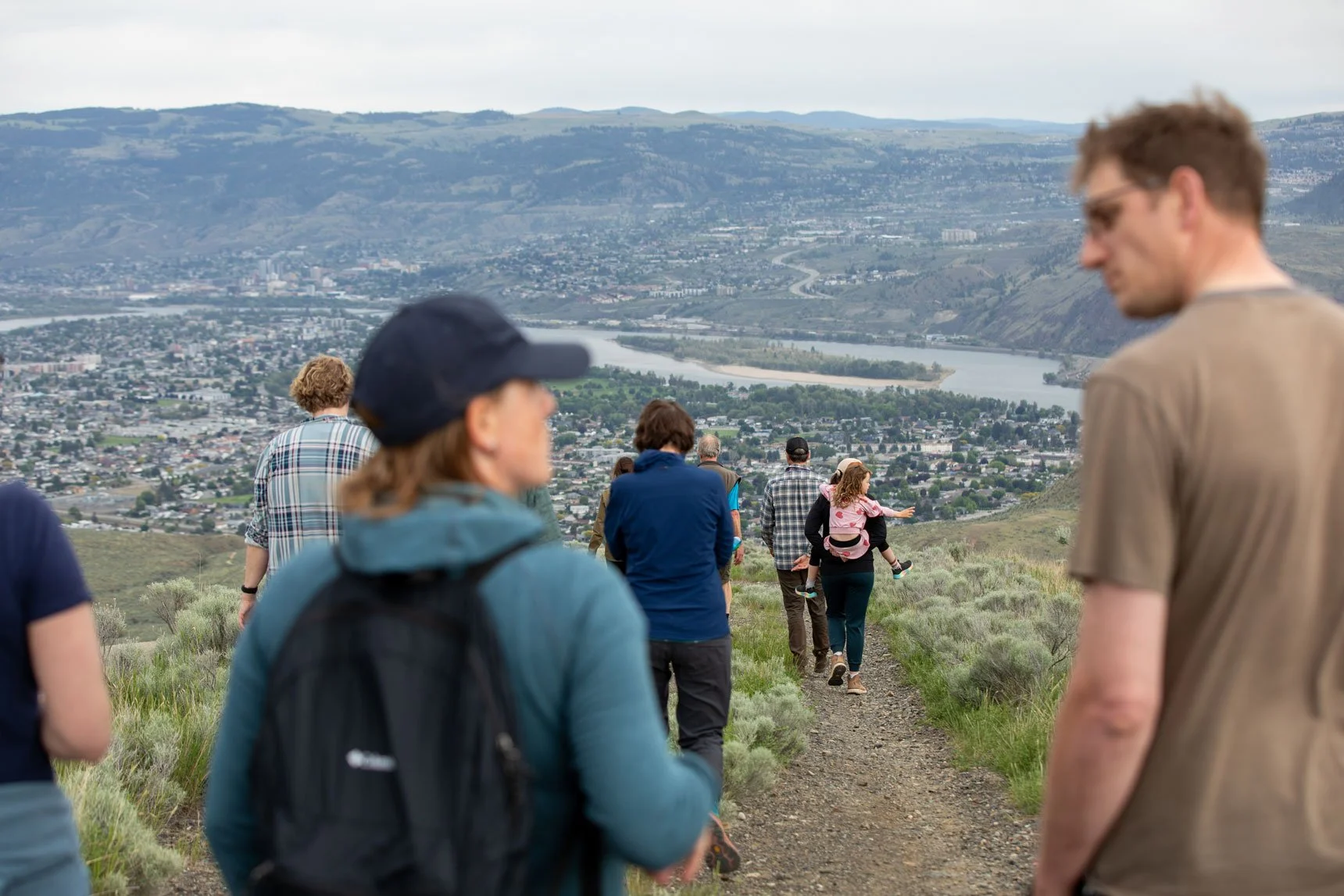
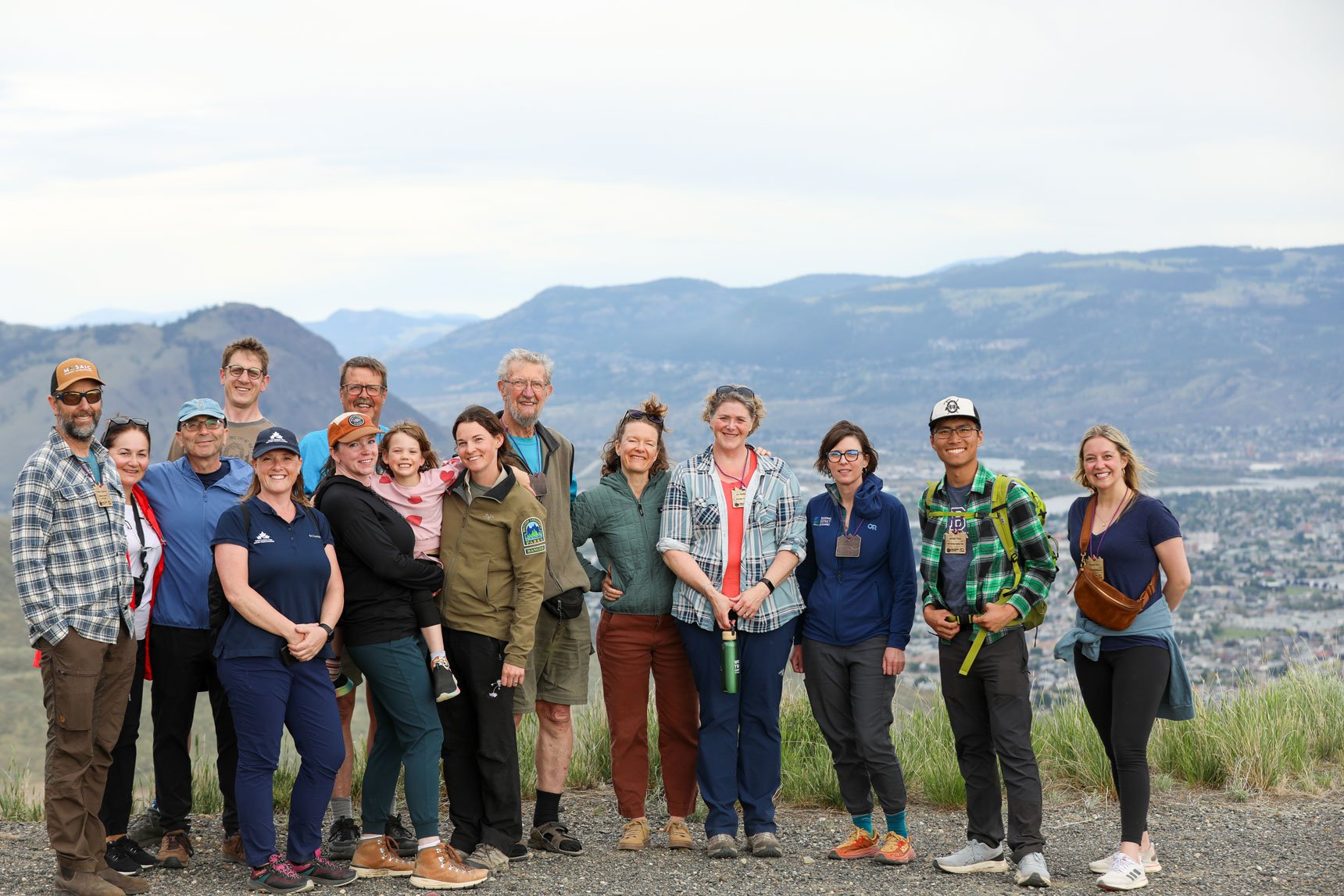
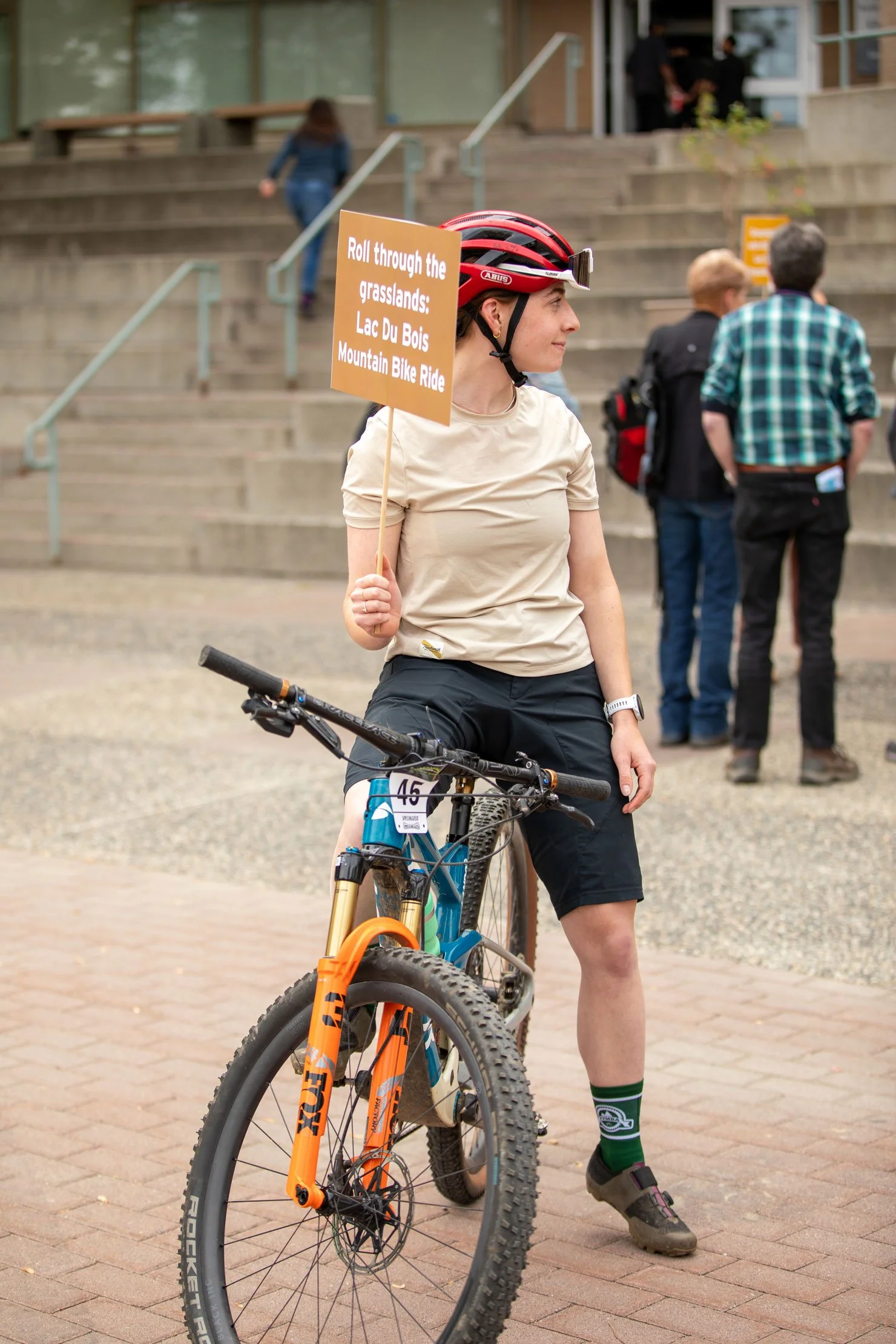
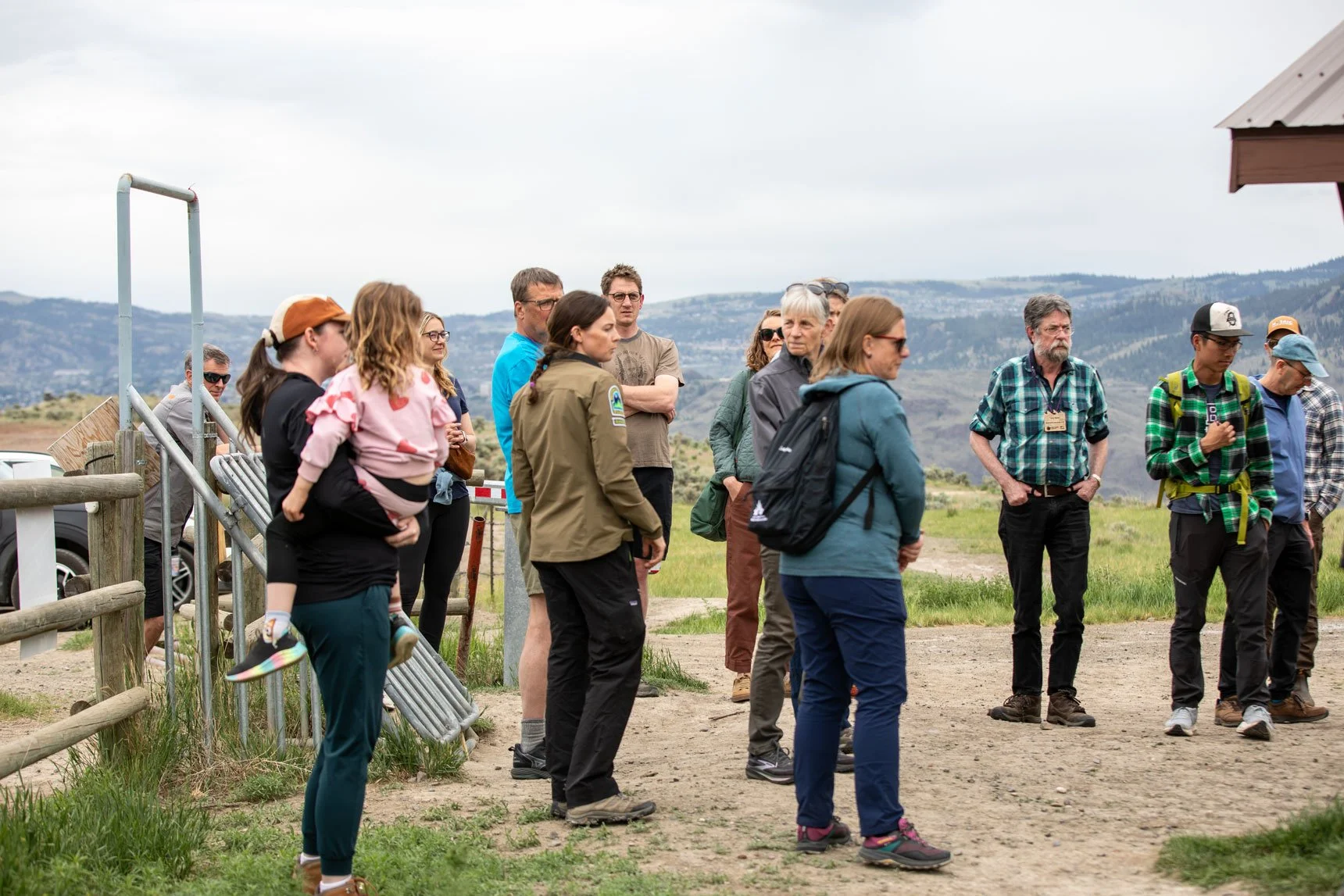
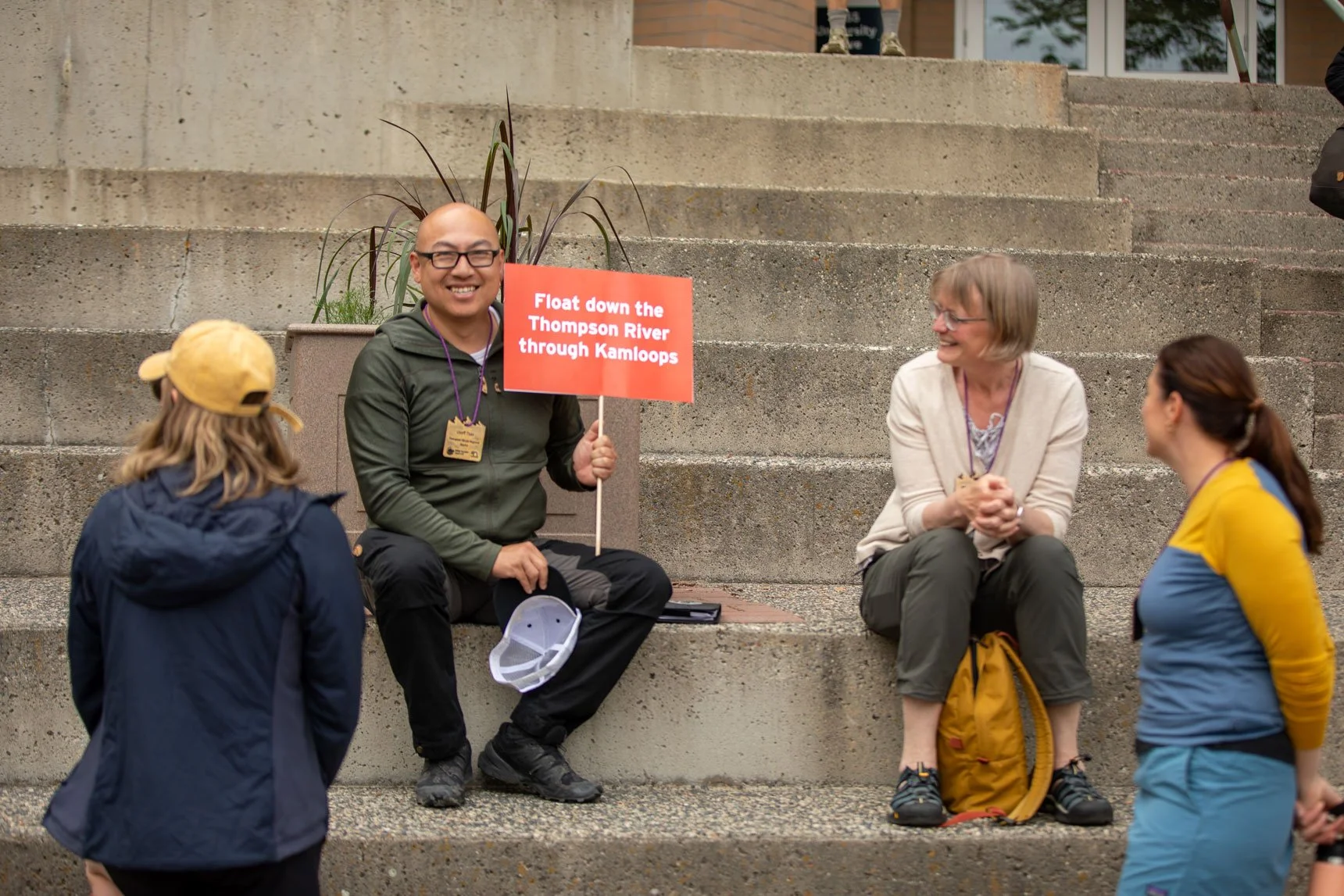
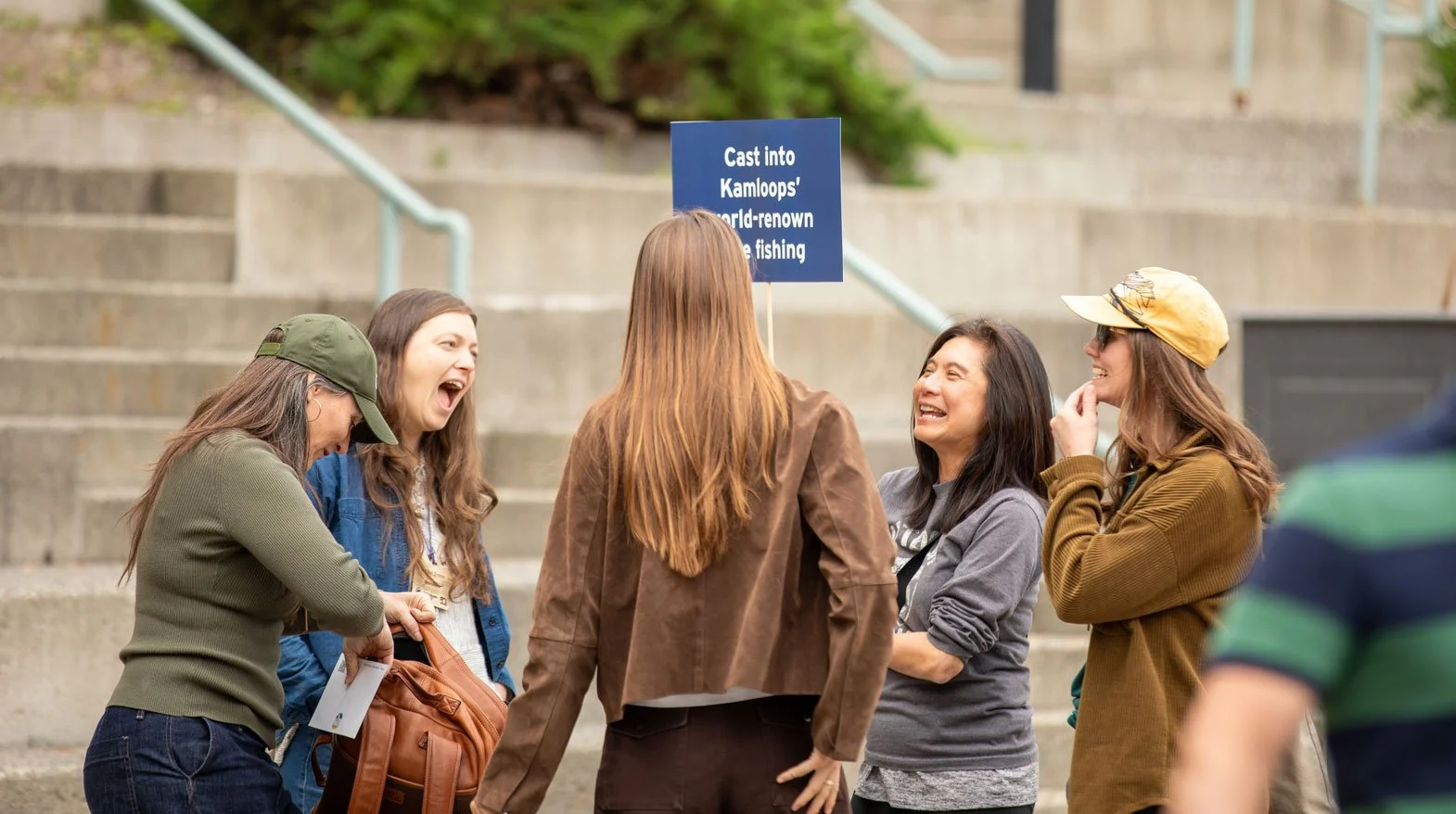
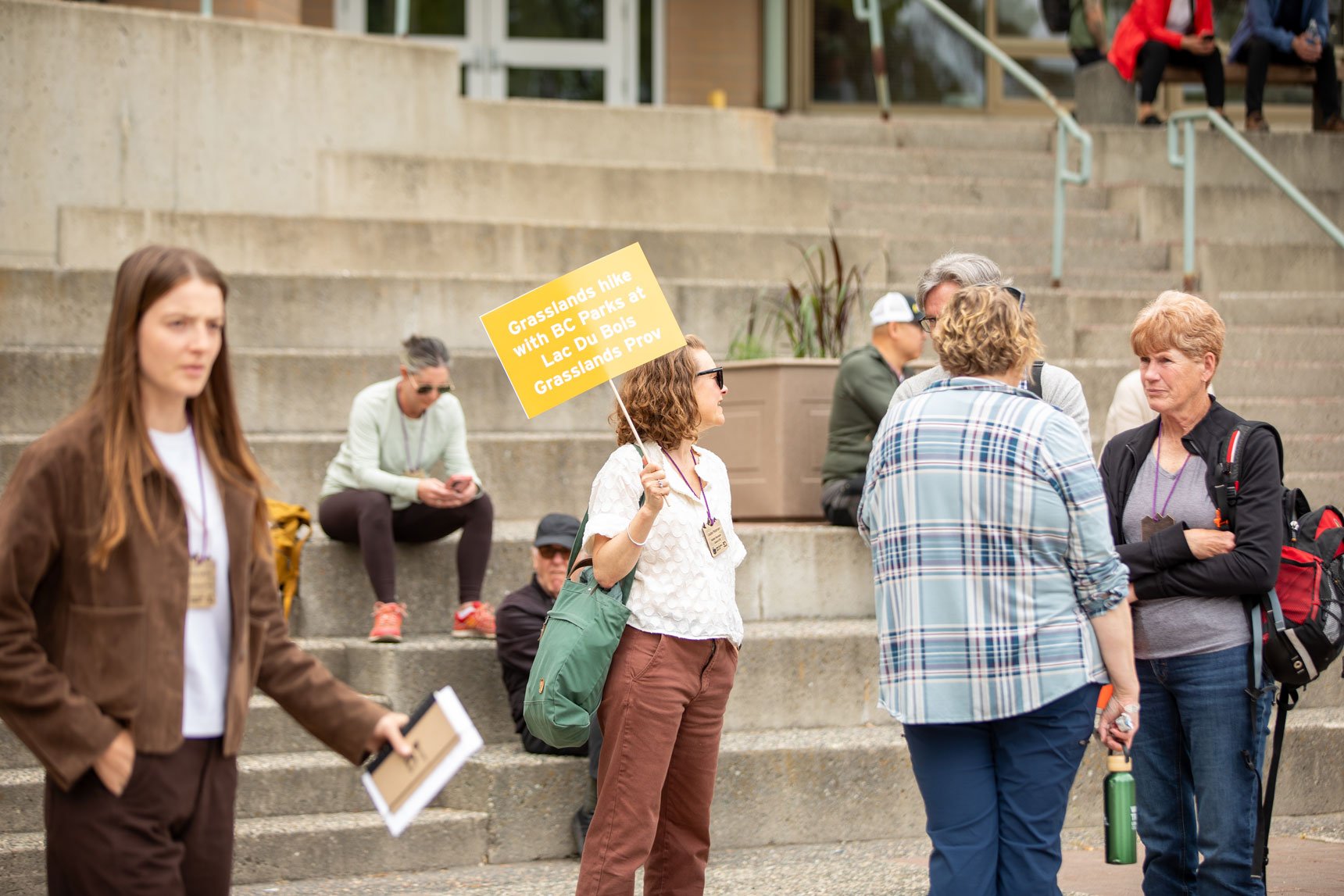
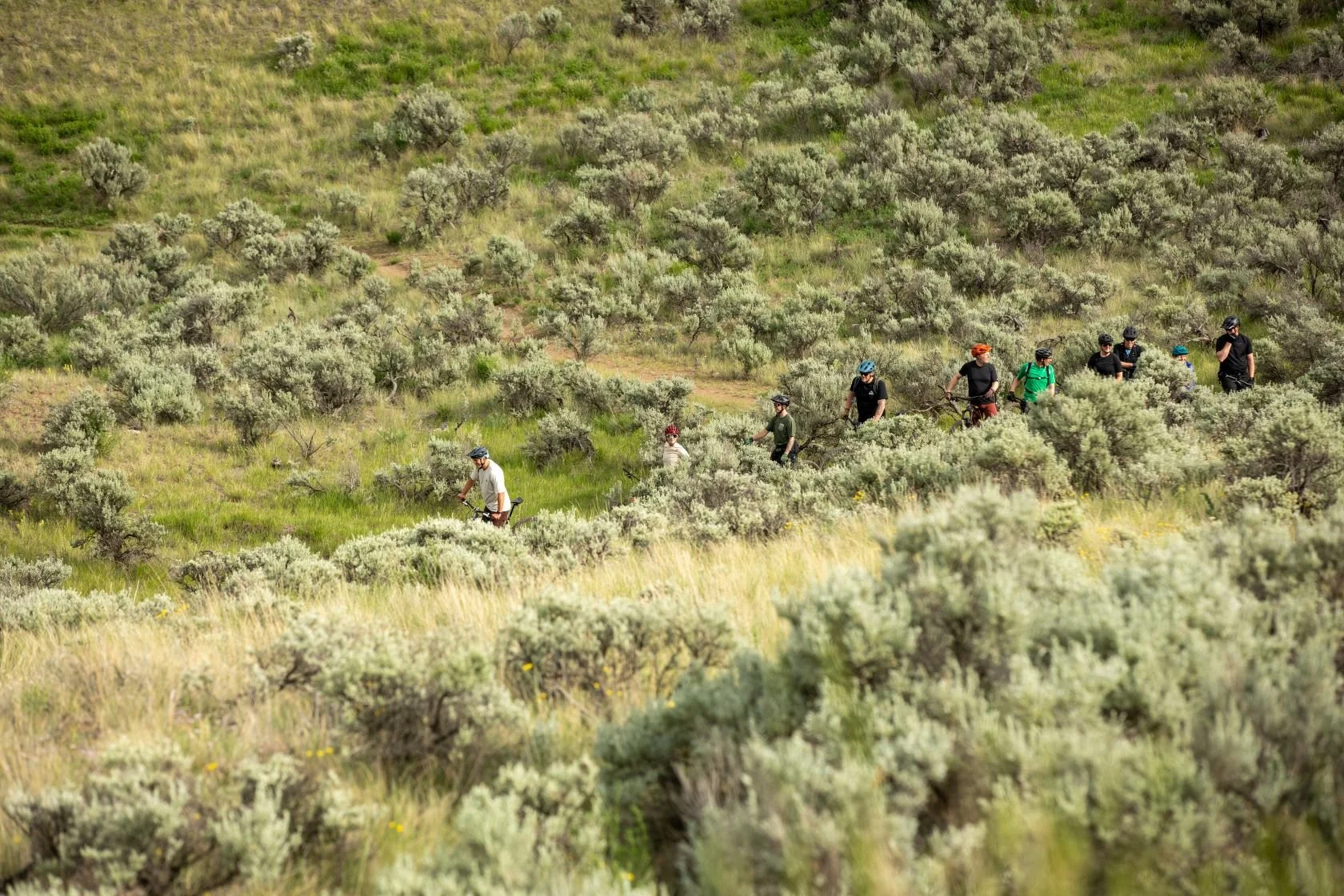
Photos: Andrea Heath Photography
“One of the most encouraging aspects of the strategy is the focus on collaboration,” says Pedersen. “No single ministry or organization can do this work alone.”
The rest of the first day of programming built on this idea with a variety of topics that appealed to the diverse interests of attendees and the challenges facing outdoor recreation.
The first day was also a celebration. At lunch, Mark Angelo, one of the co-founders of the ORCBC, spoke about the organization's early years and its many accomplishments. In the late afternoon, attendees headed outside with guides from Kamloops Bike Riders Association, BC Parks, TRU’s Adventure Studies Department and Adventuring Into Life to experience some of the city’s best outdoor recreation. A celebratory dinner followed.
The second day of programming started with a panel talking about the challenges of instilling responsible recreation ethics and actions in an increasingly busy outdoors. More concurrent programming followed throughout the day covering everything from reconciliation to recreating with wildlife.
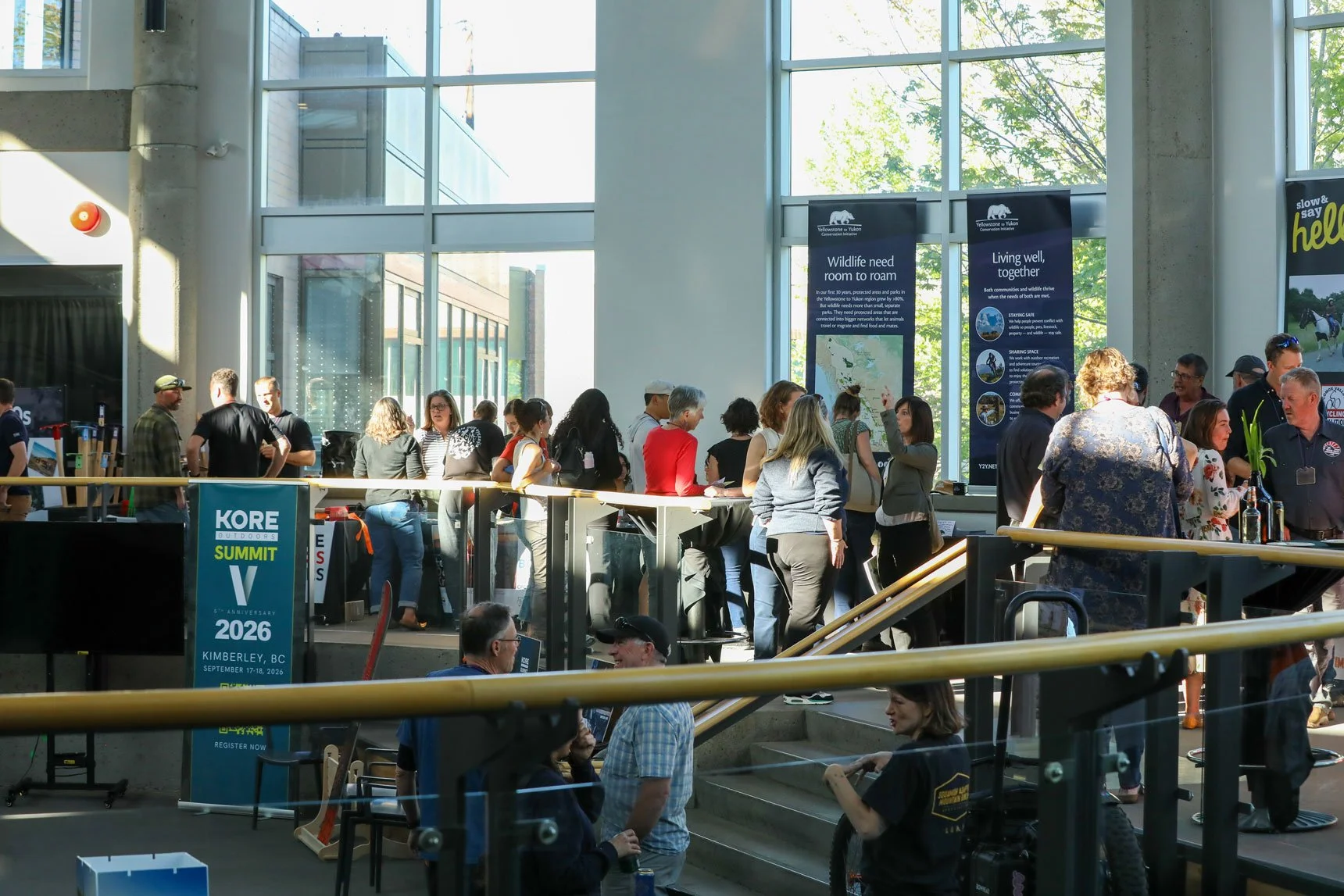
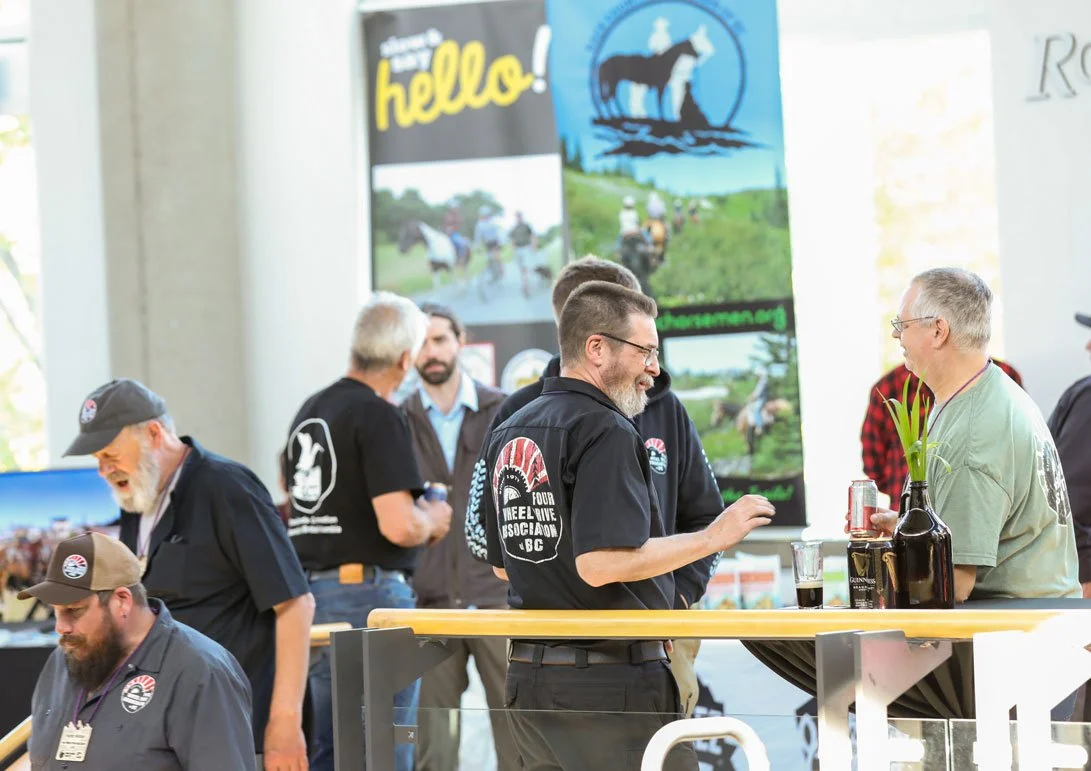
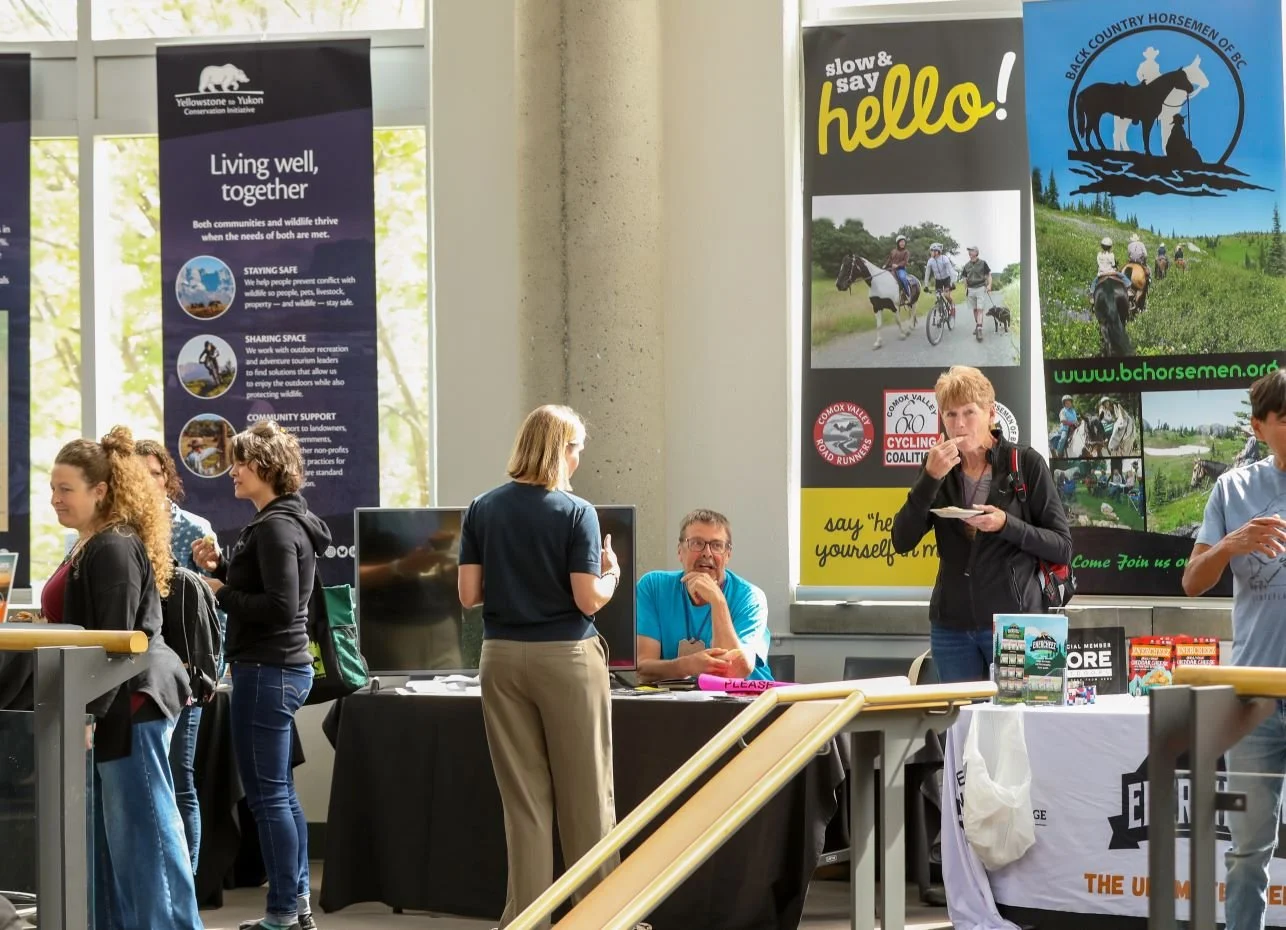
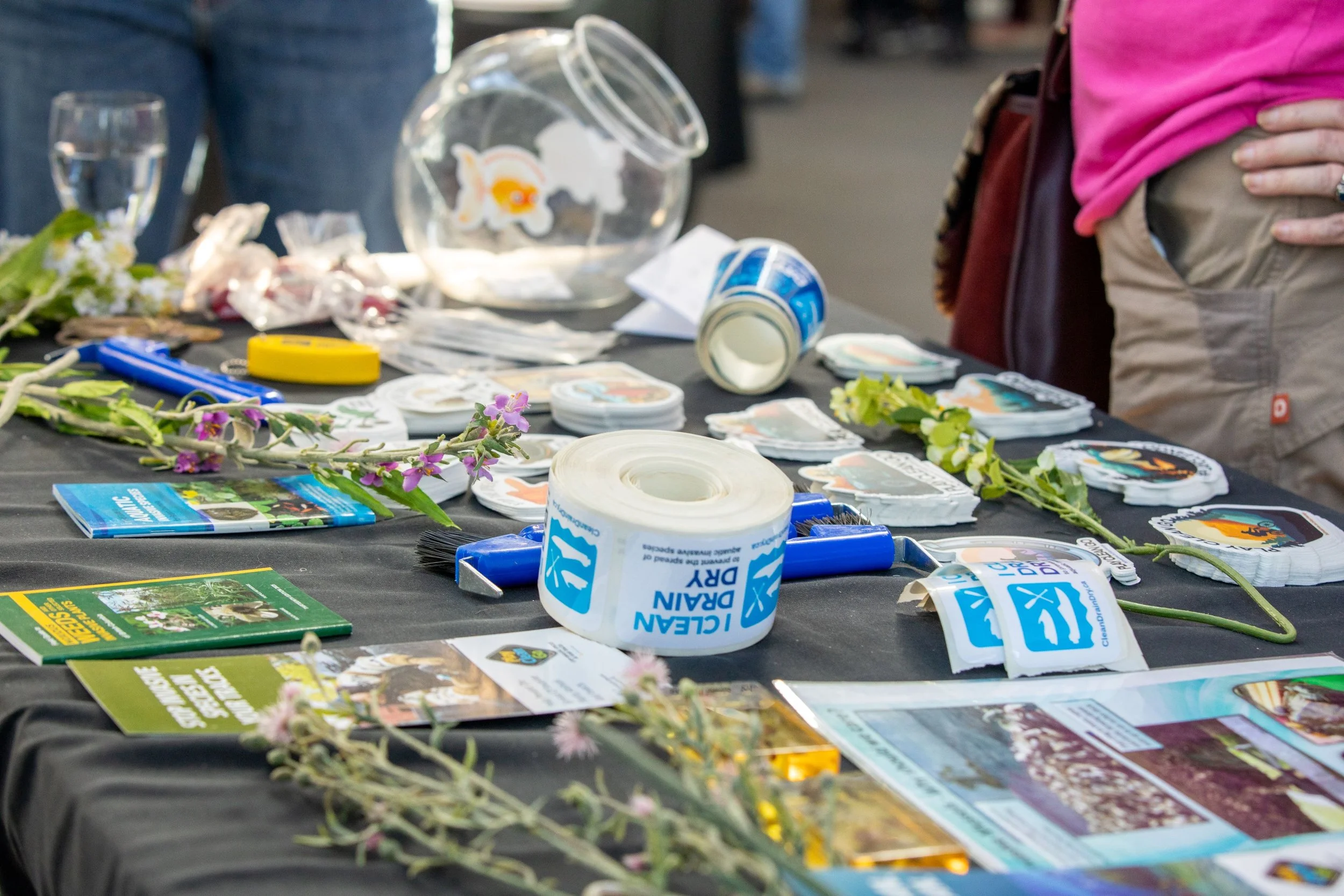
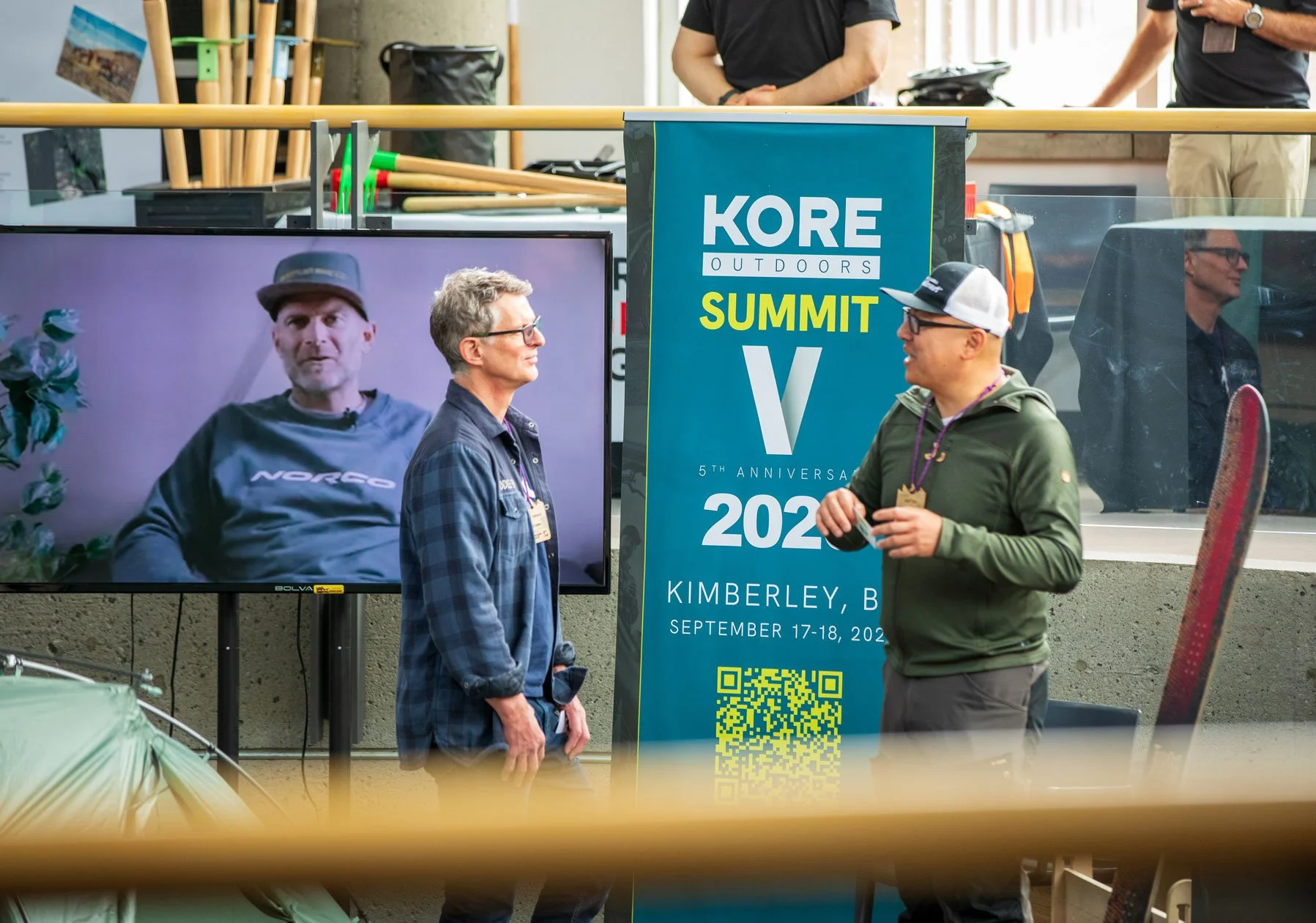
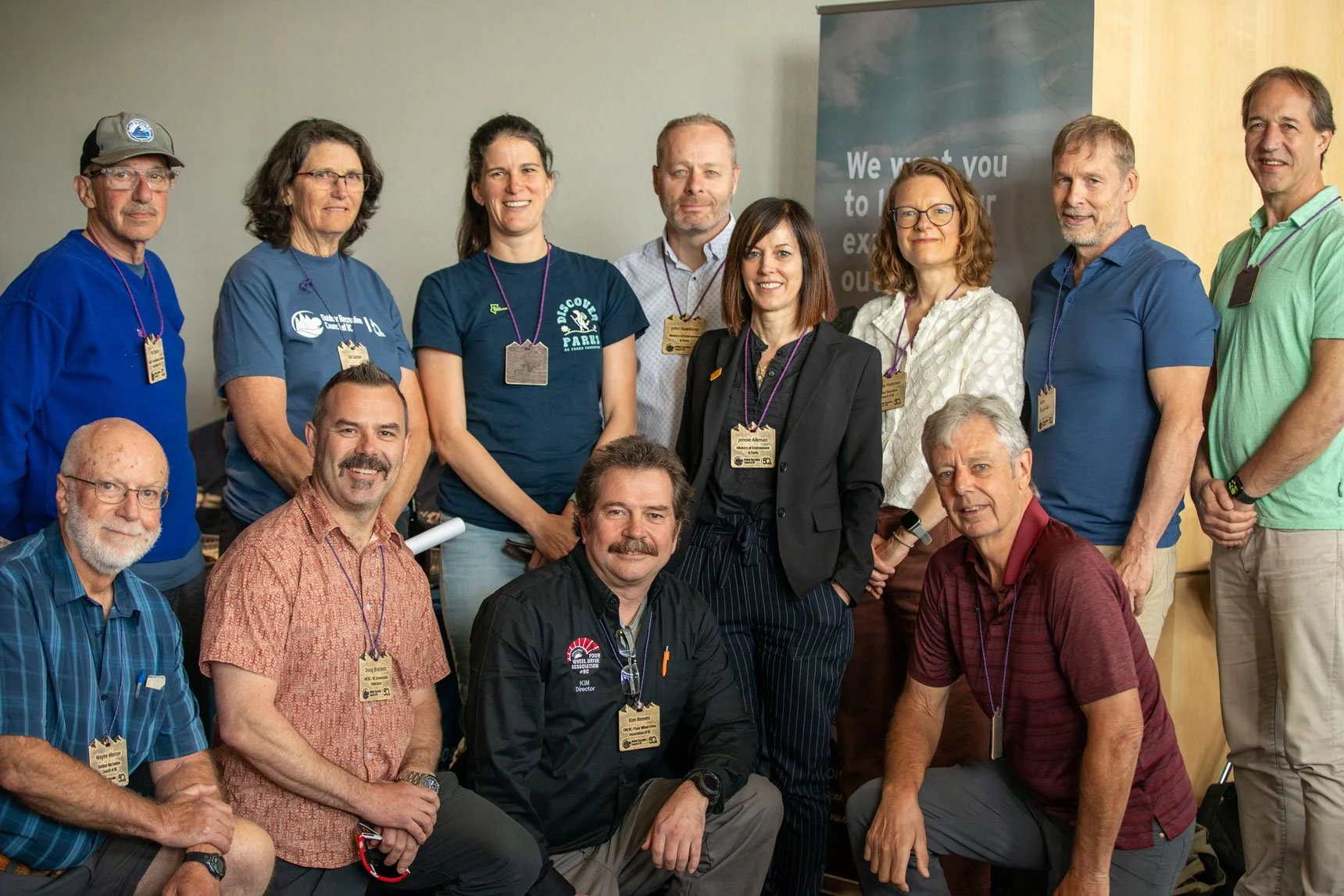
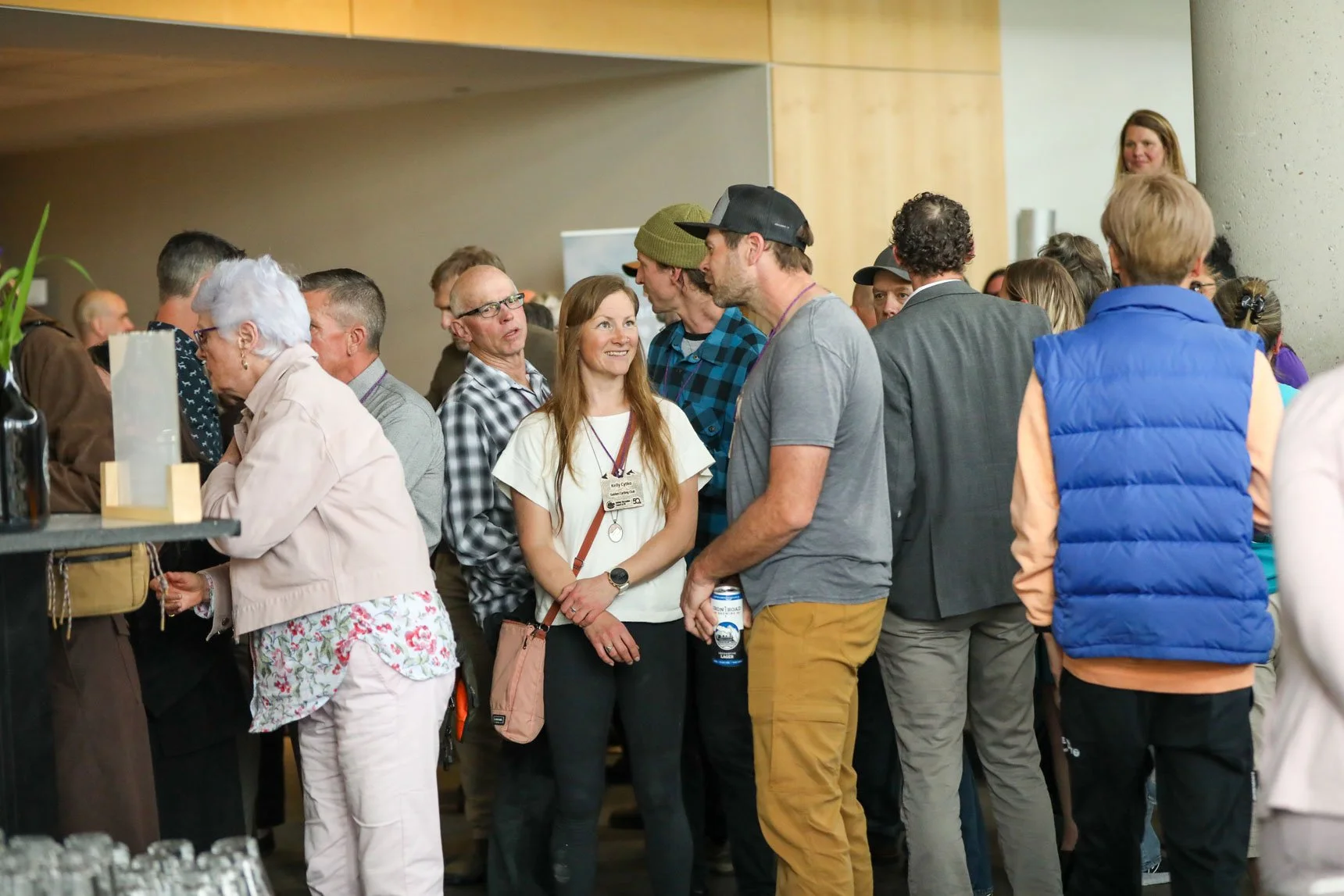
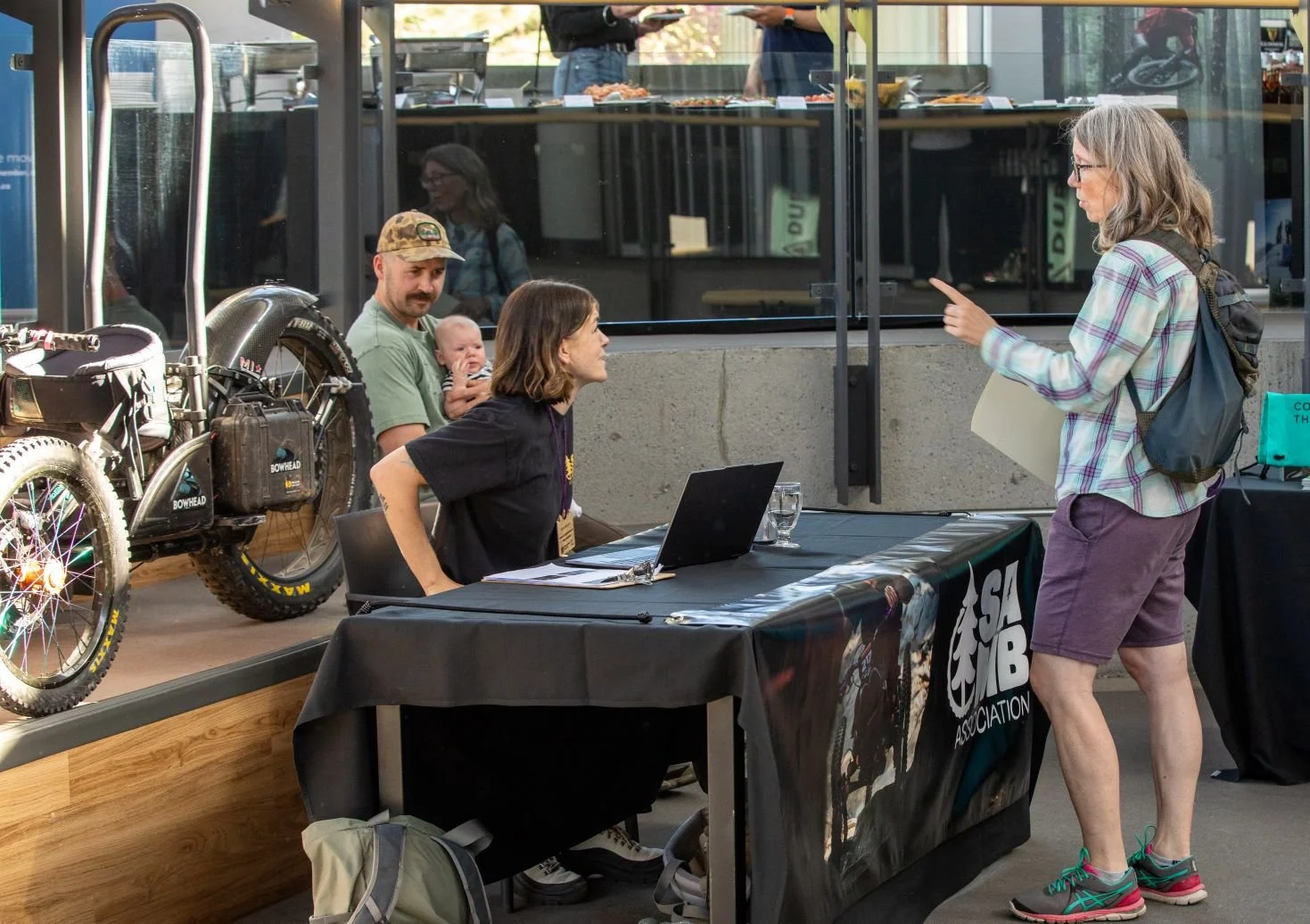
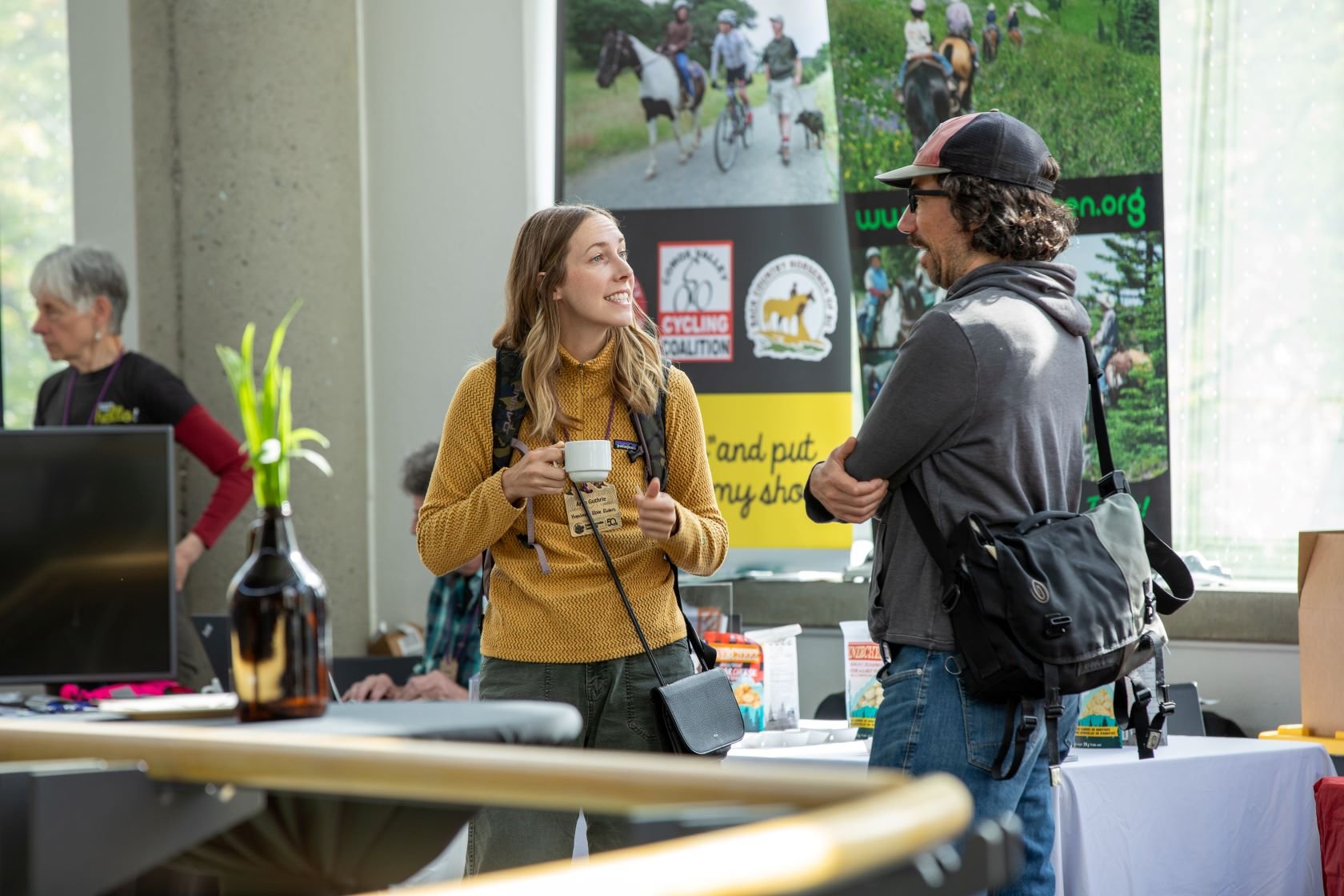
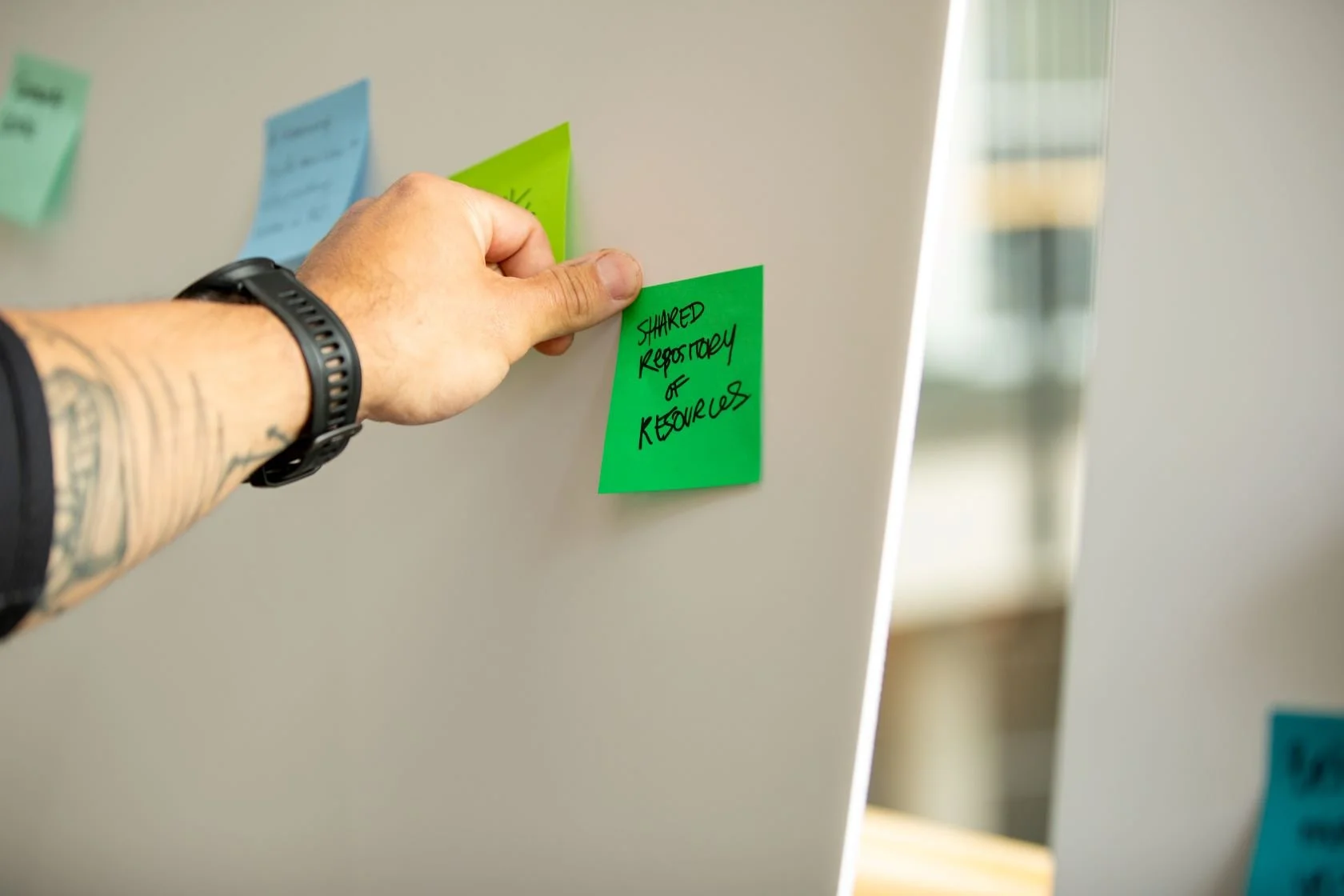
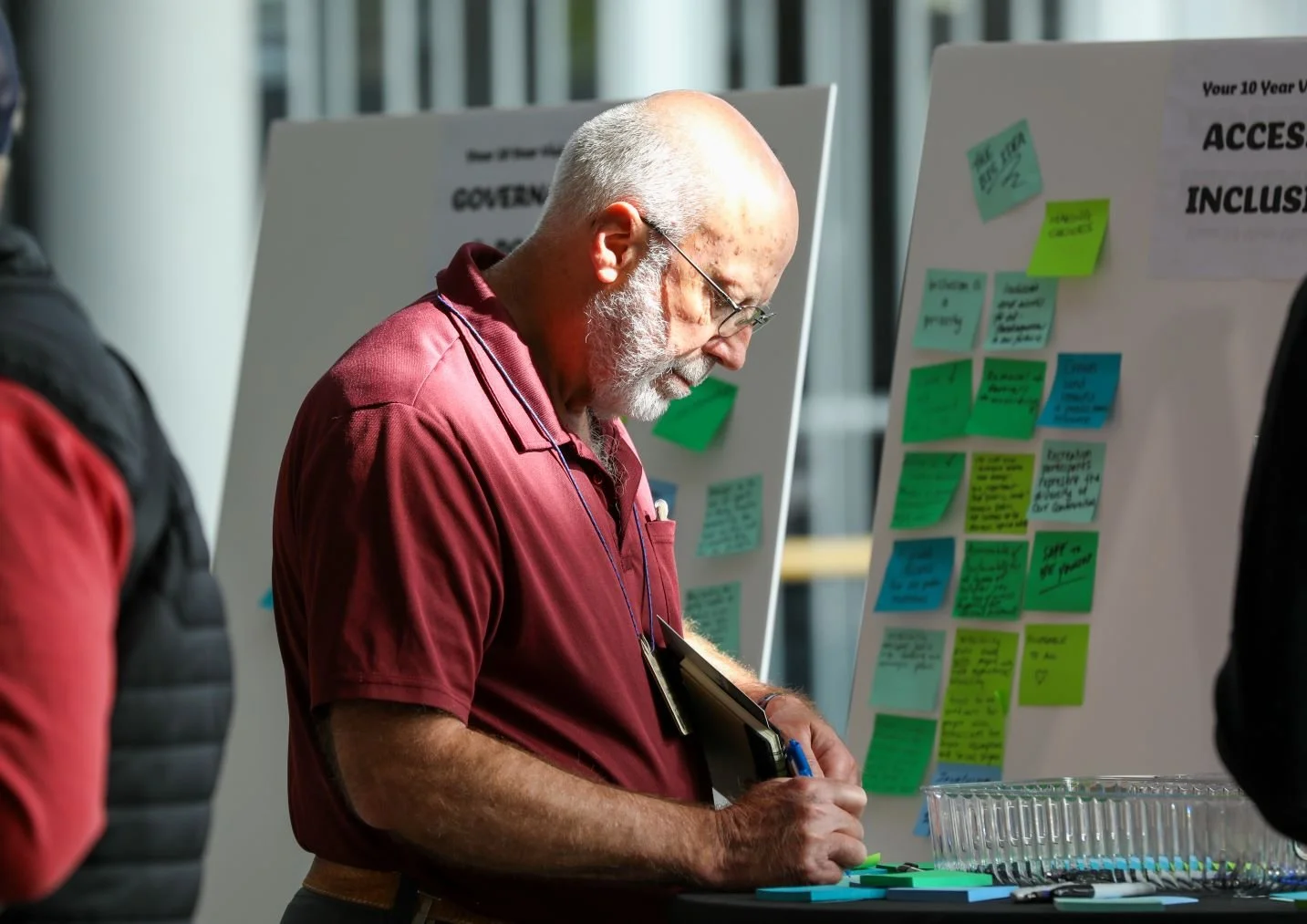
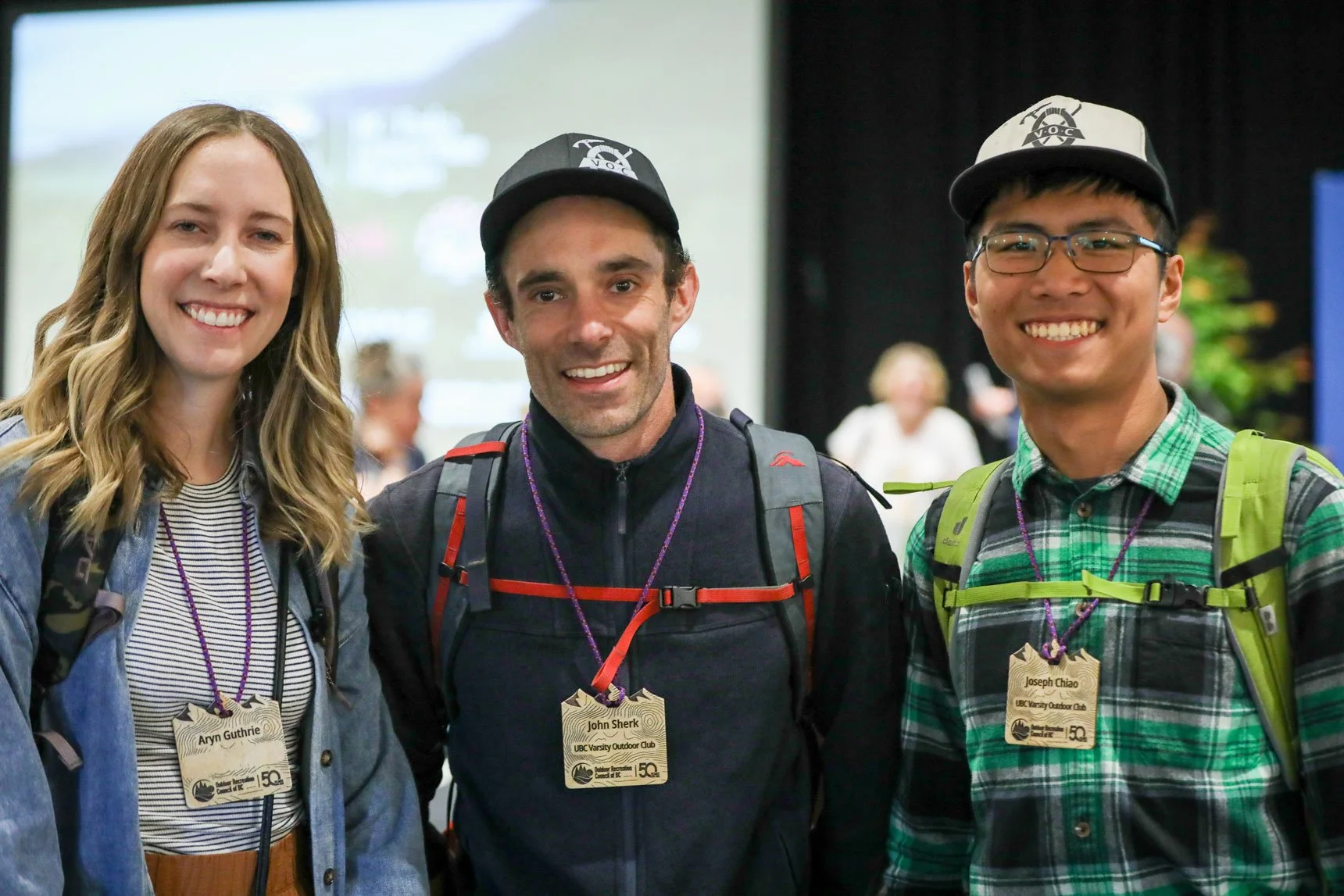
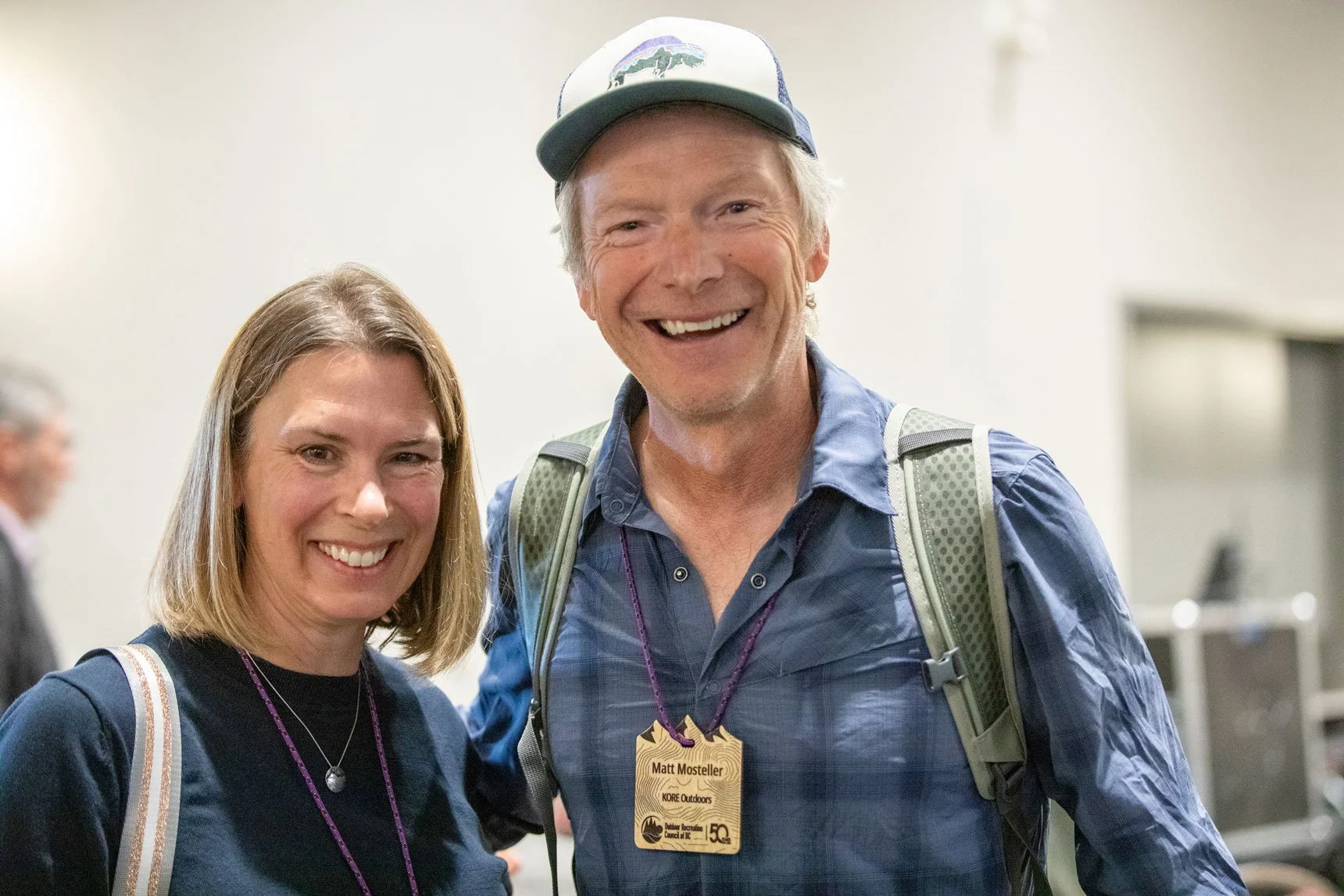
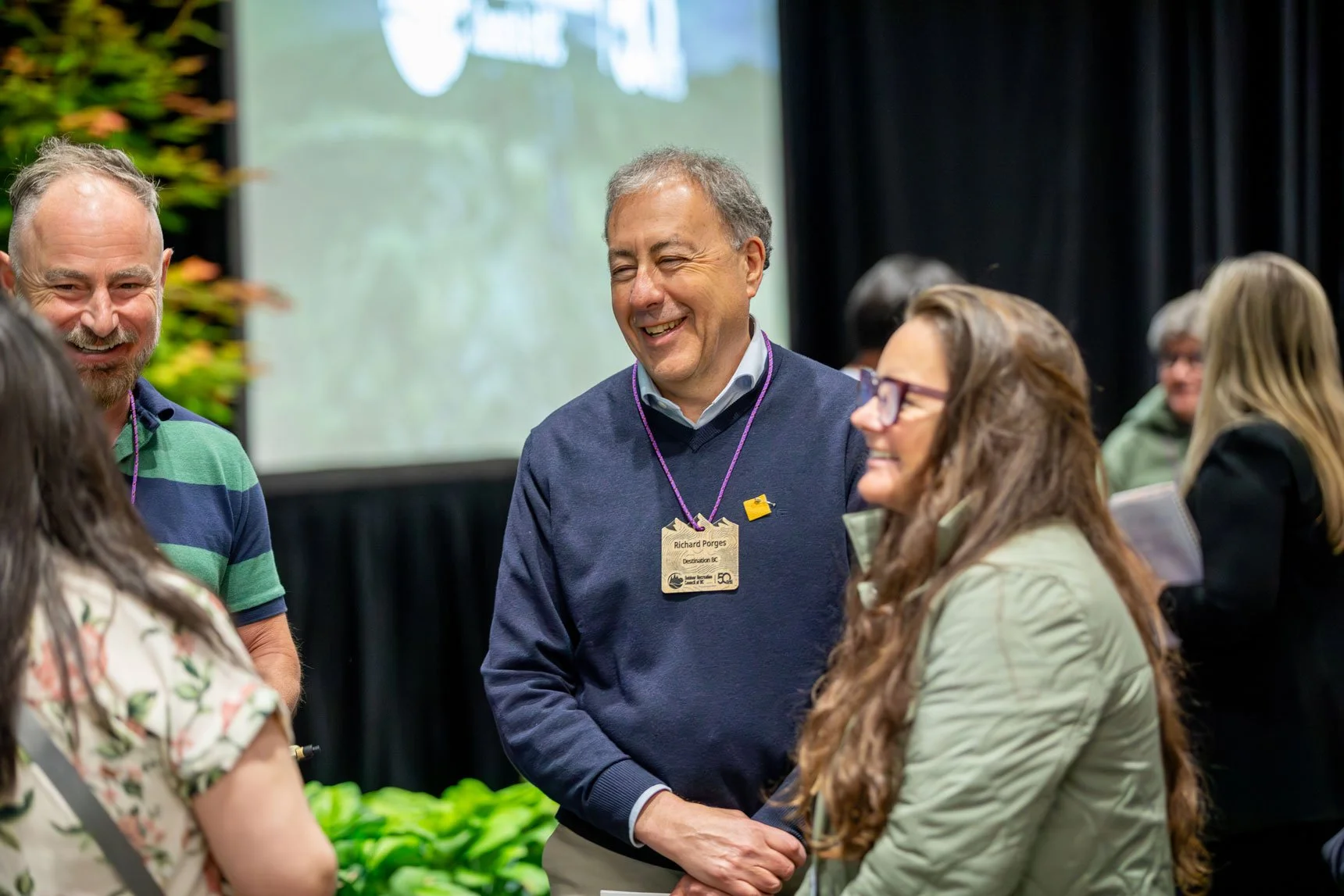
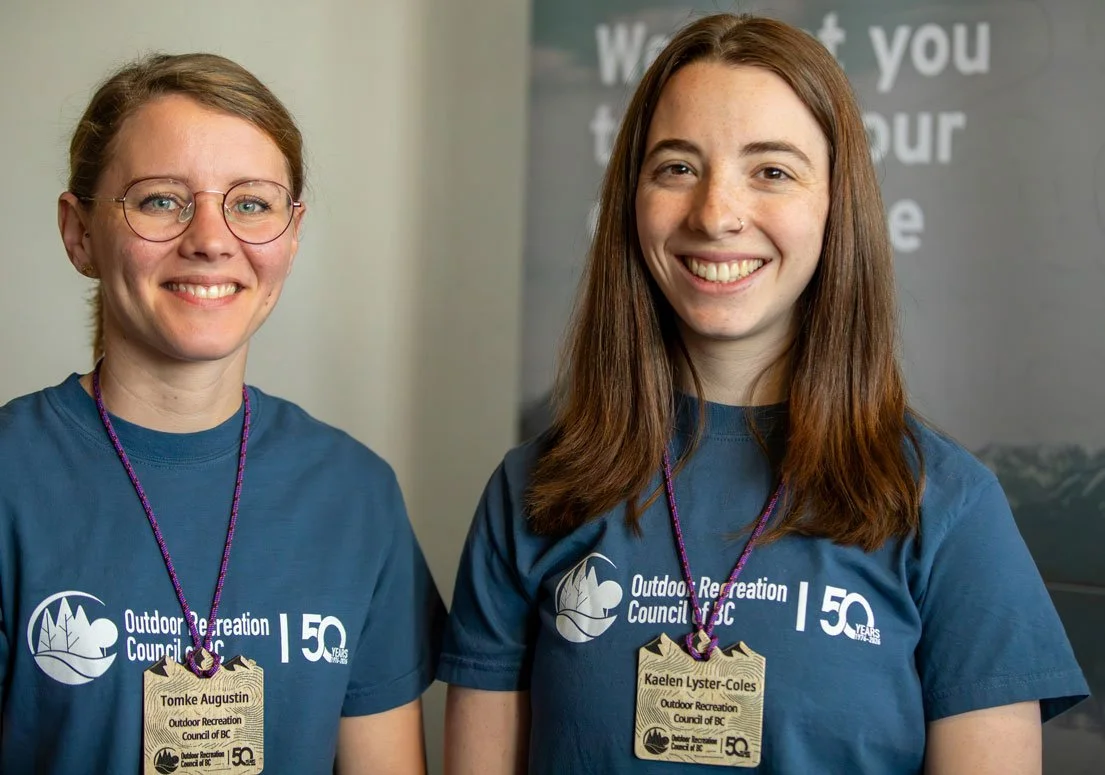
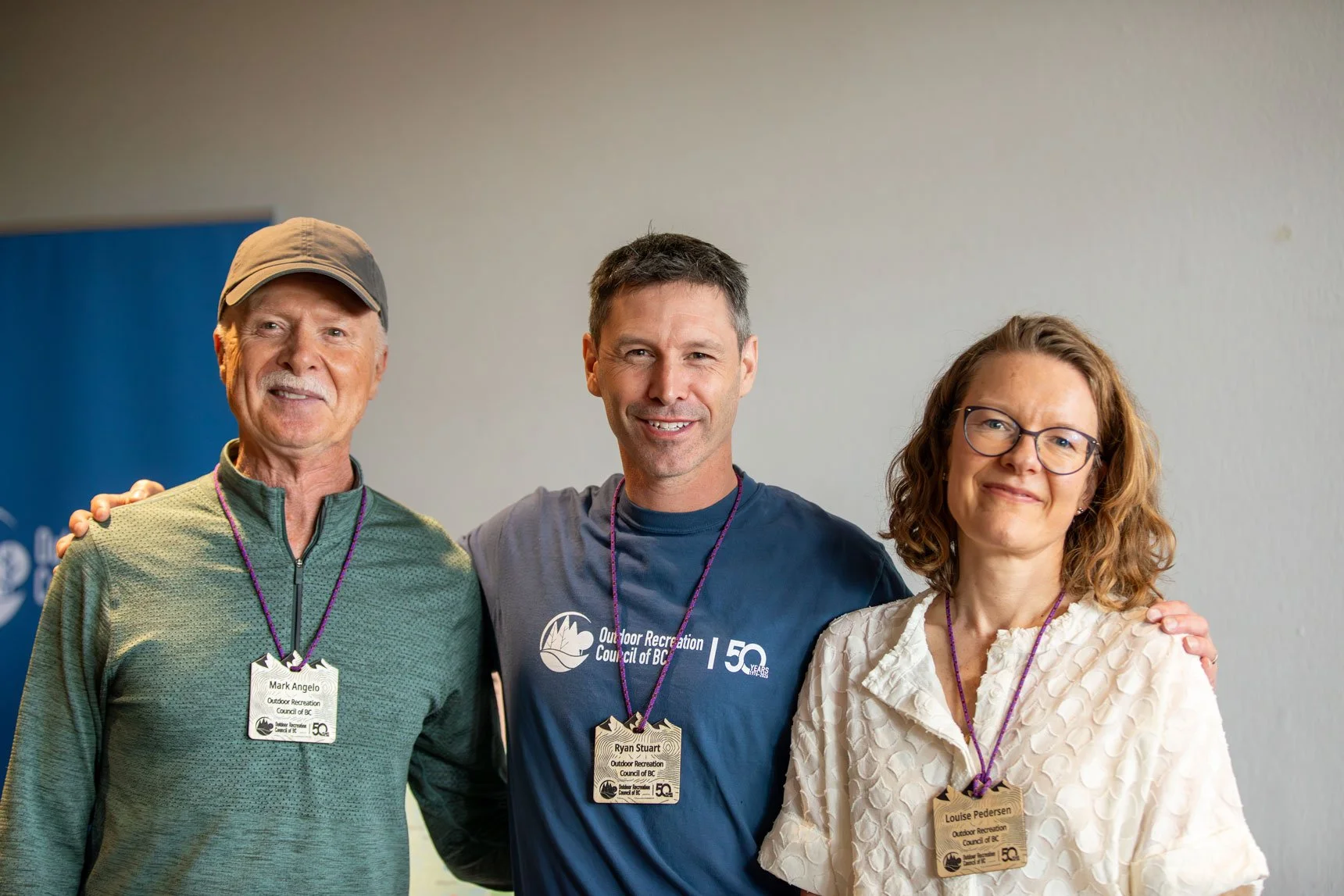
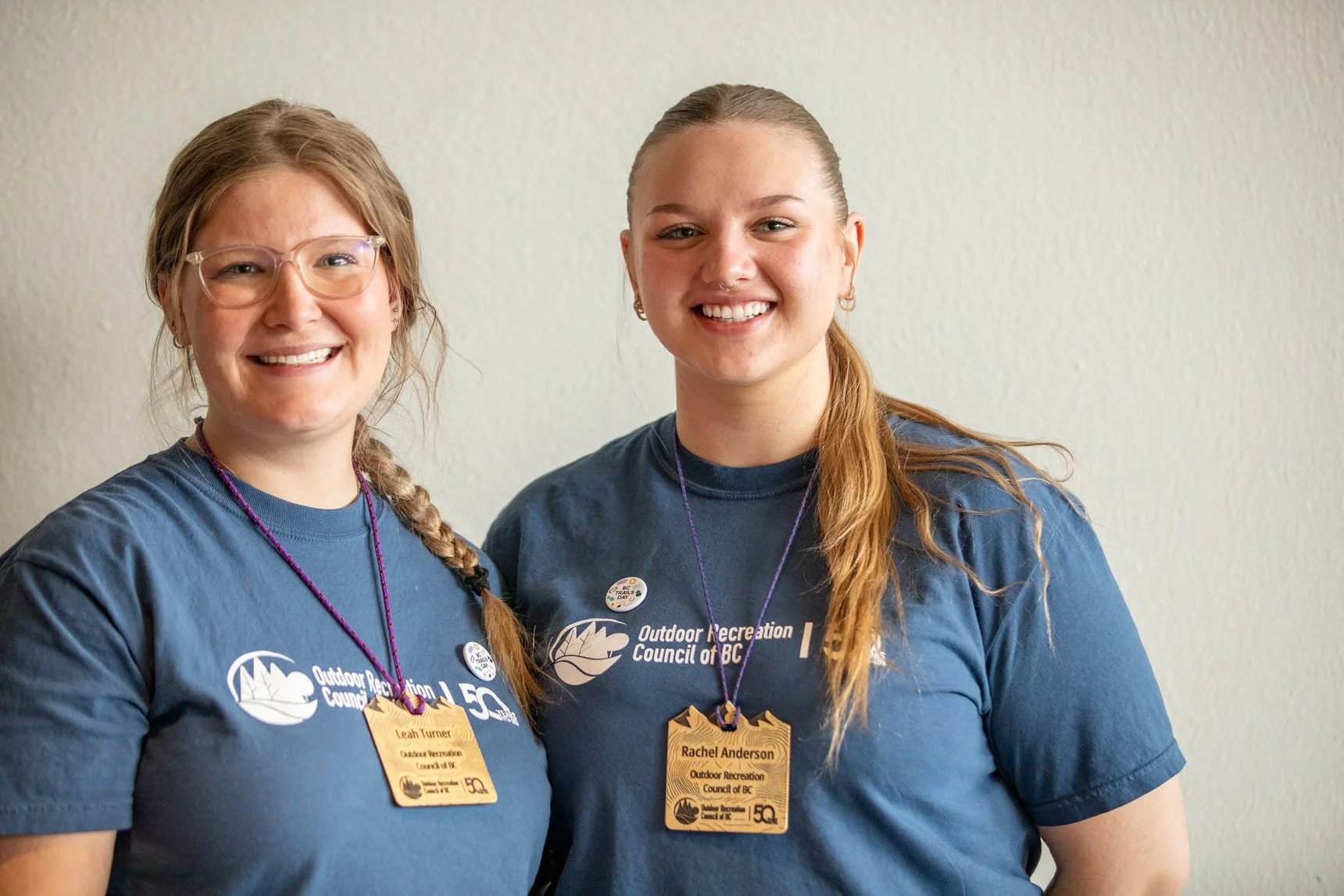
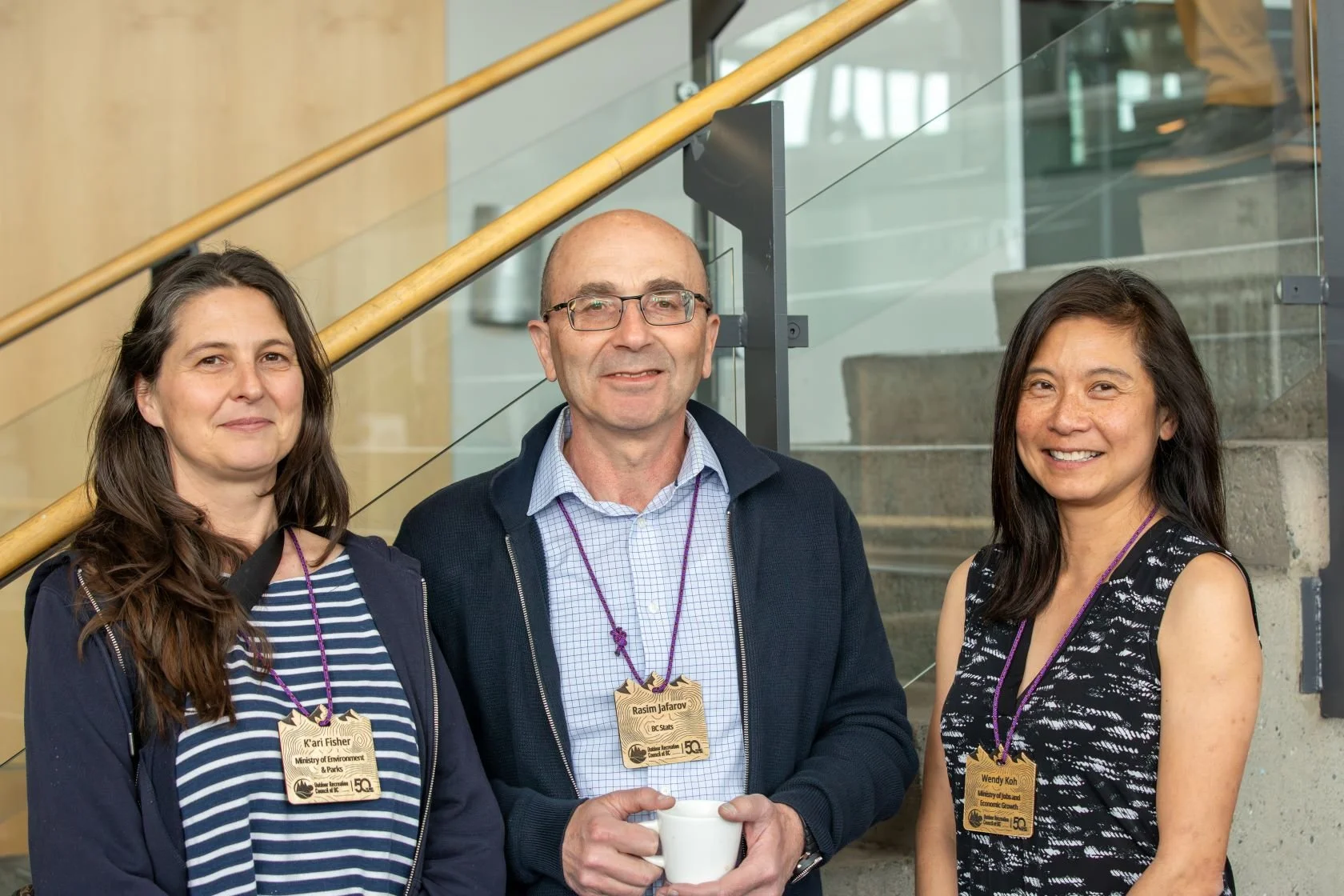
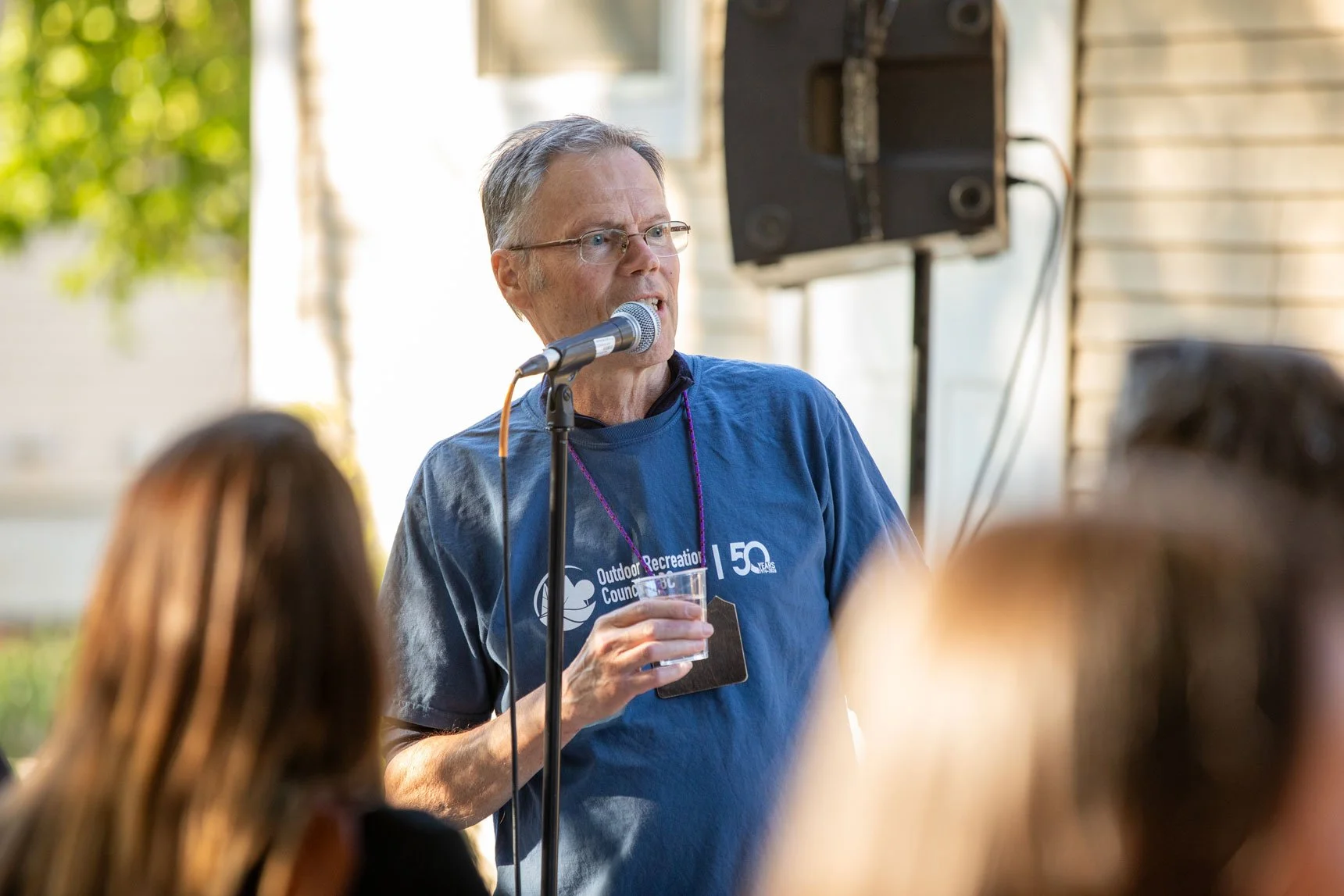
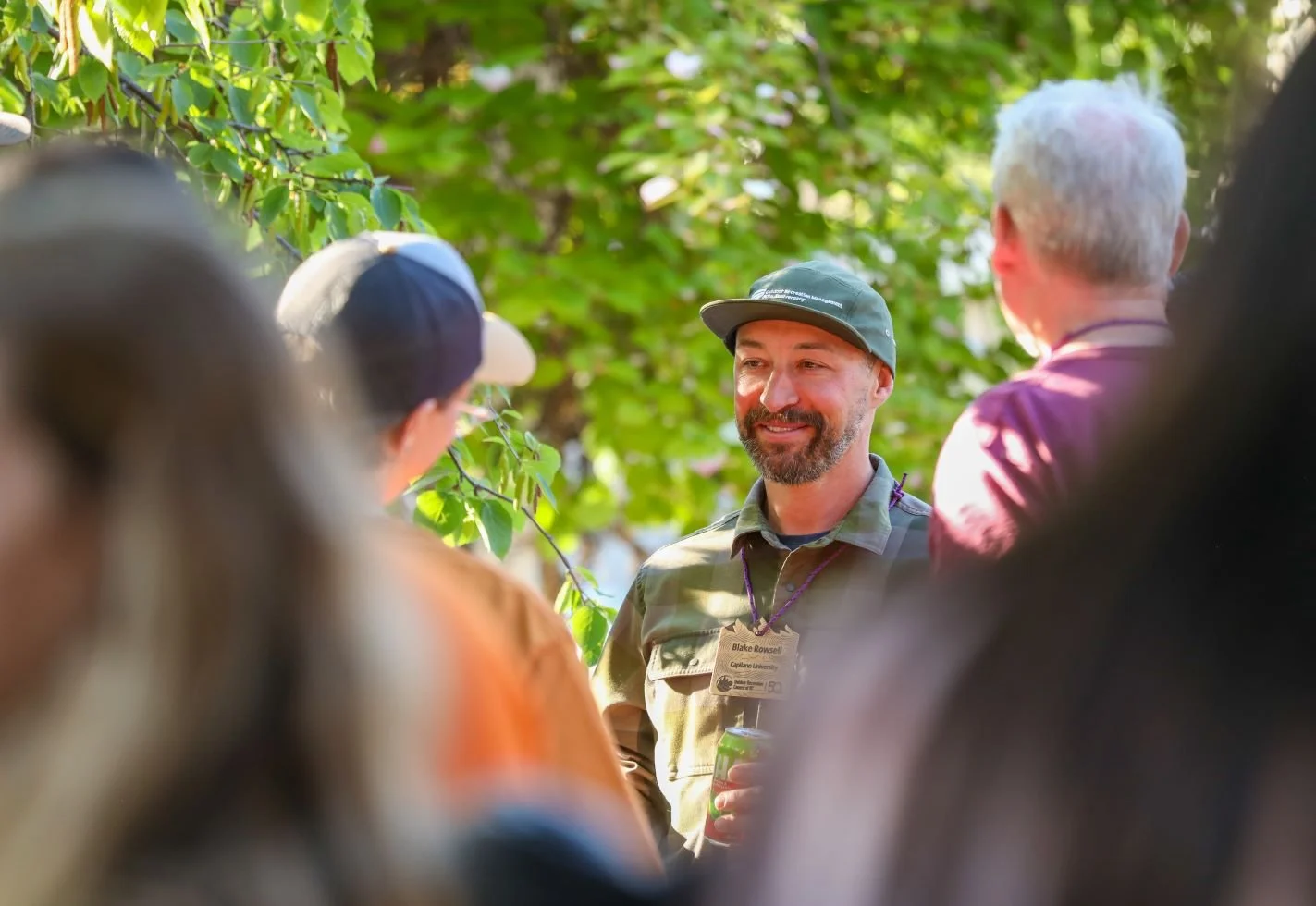
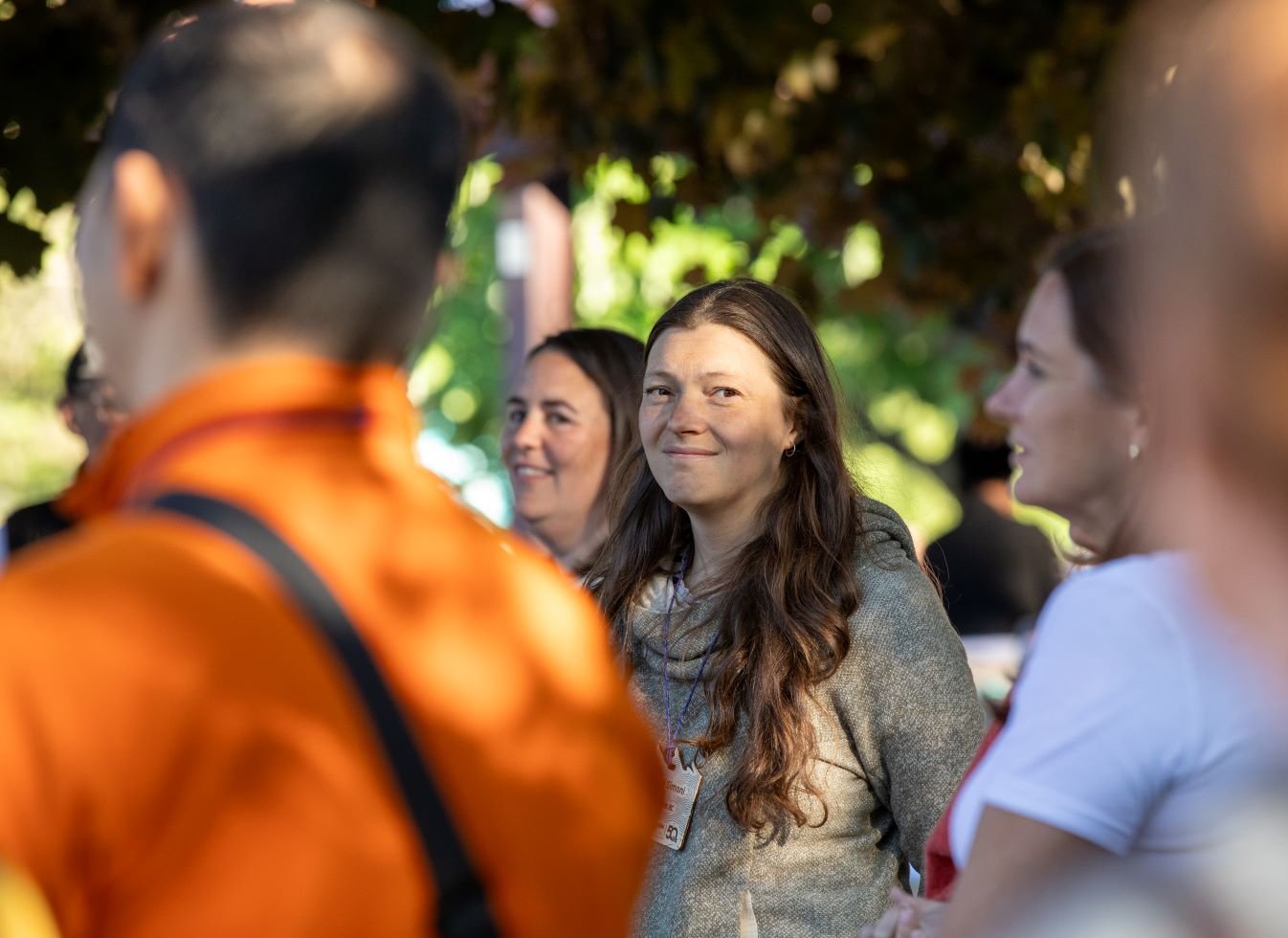
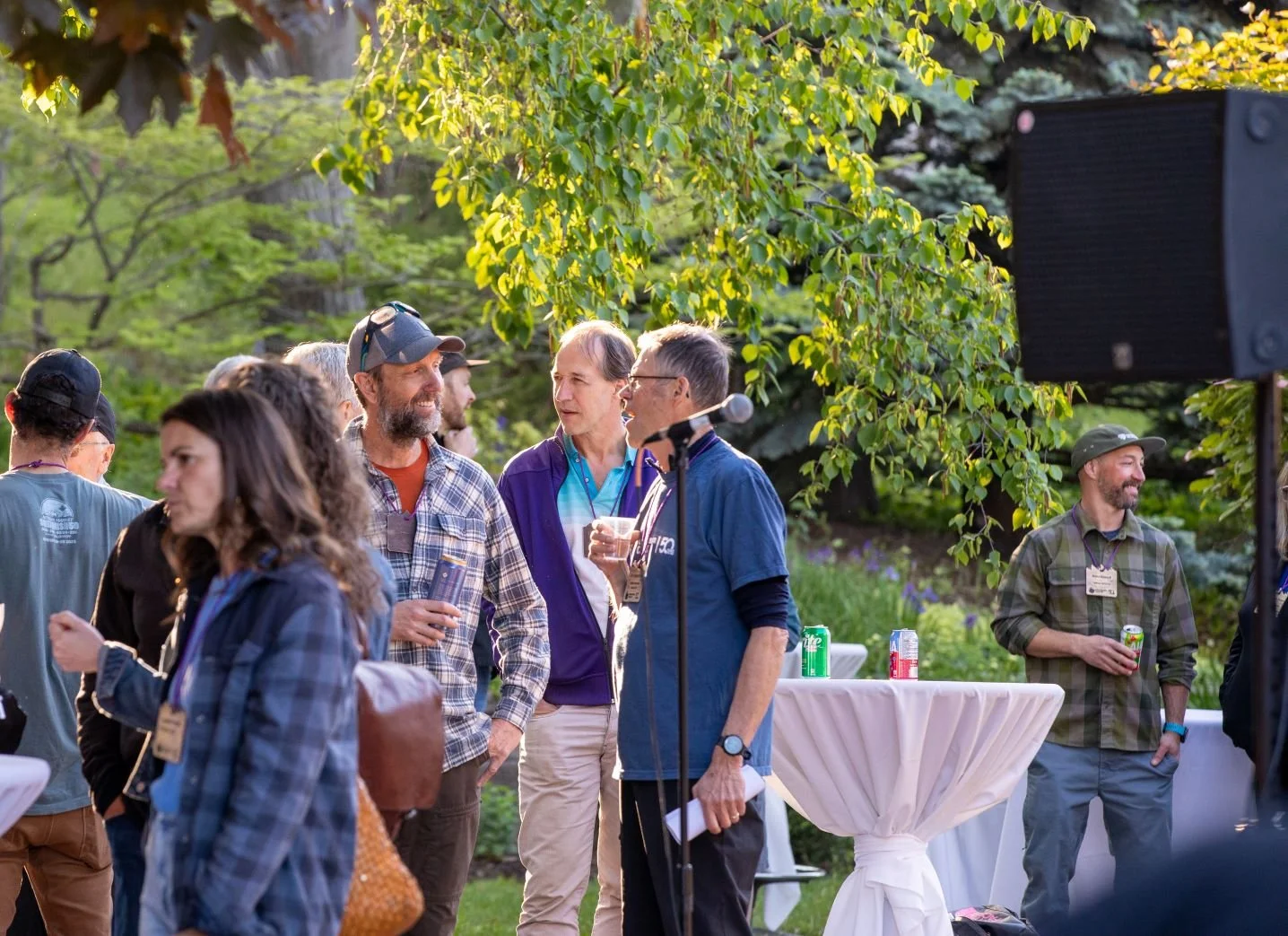
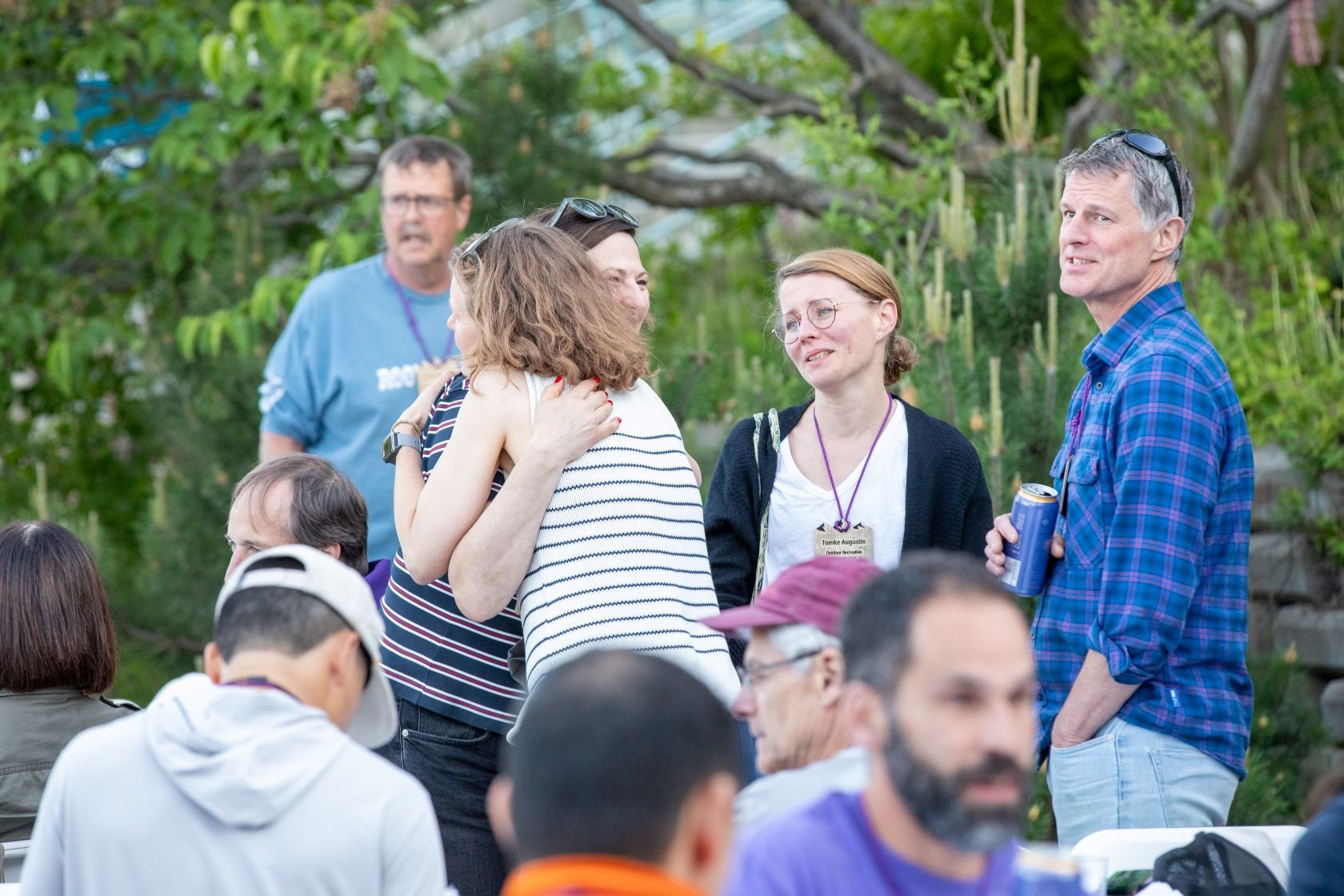
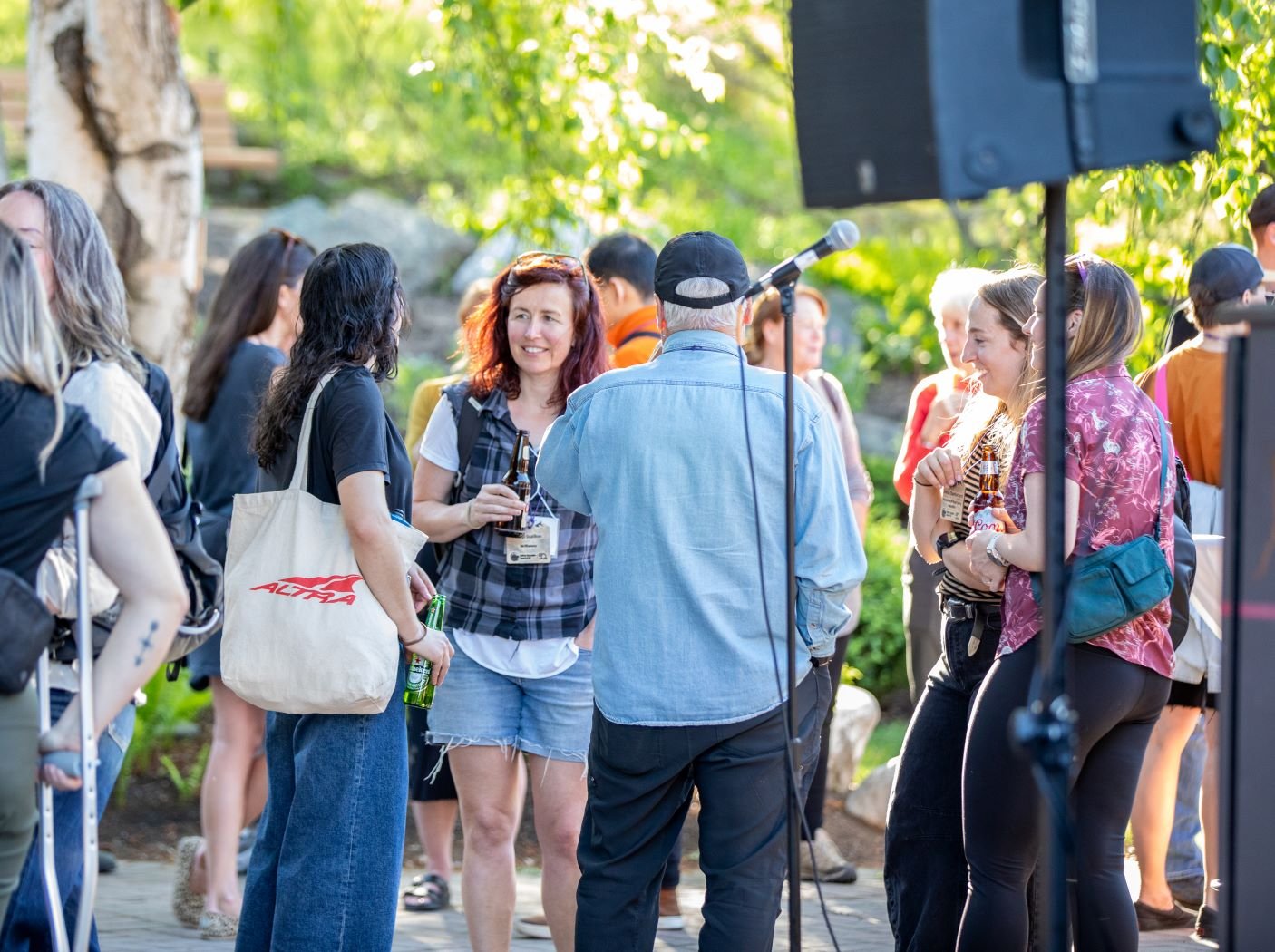
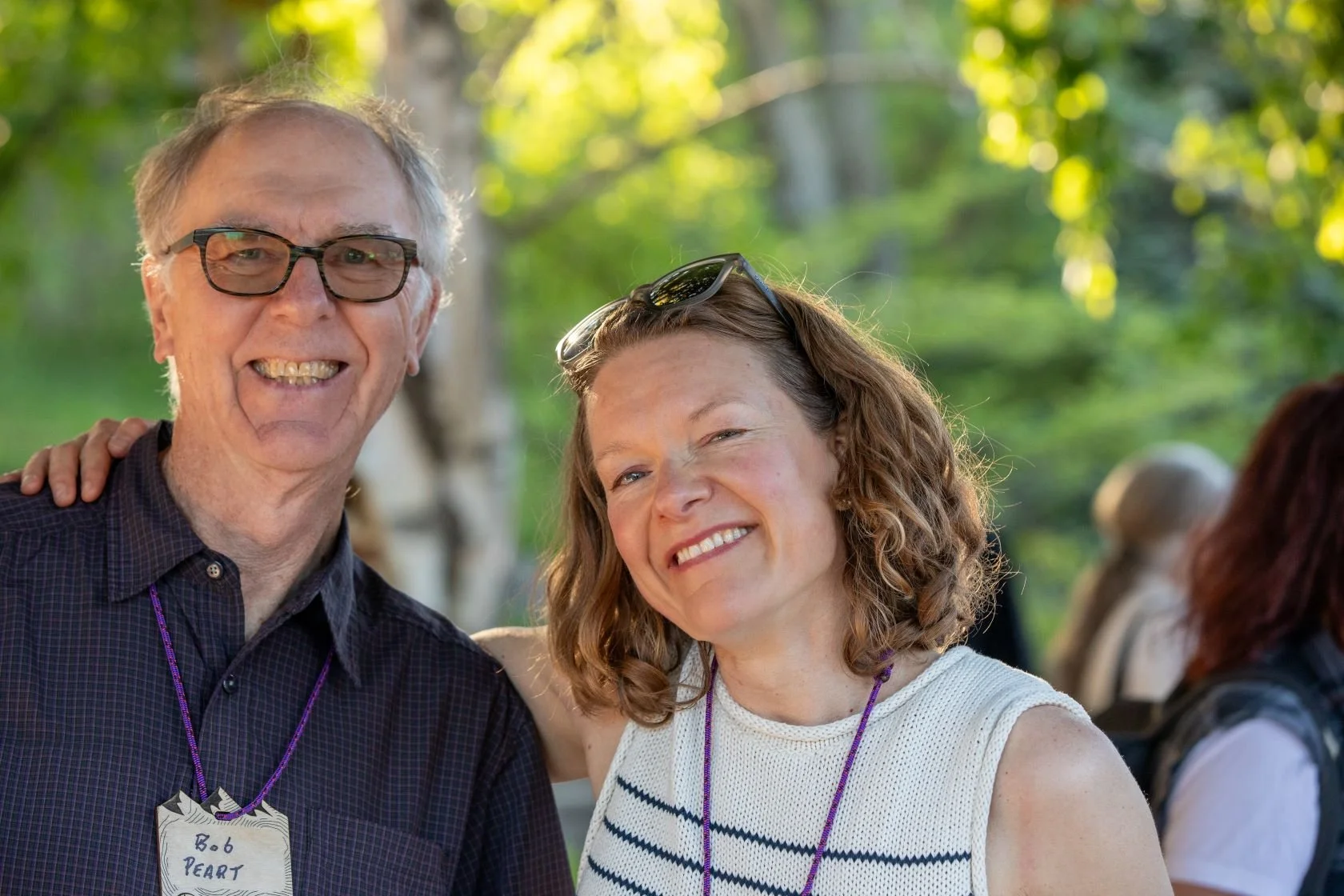
Photos: Andrea Heath Photography
“We worked really hard to create a rich mix of presentations that would inspire and inform the next 50 years of outdoor recreation,” says Ryan Stuart, who, as the community engagement lead for the ORCBC, developed most of the programming. “It was a packed schedule and I’m sure attendees had some hard time choosing which session to attend.”
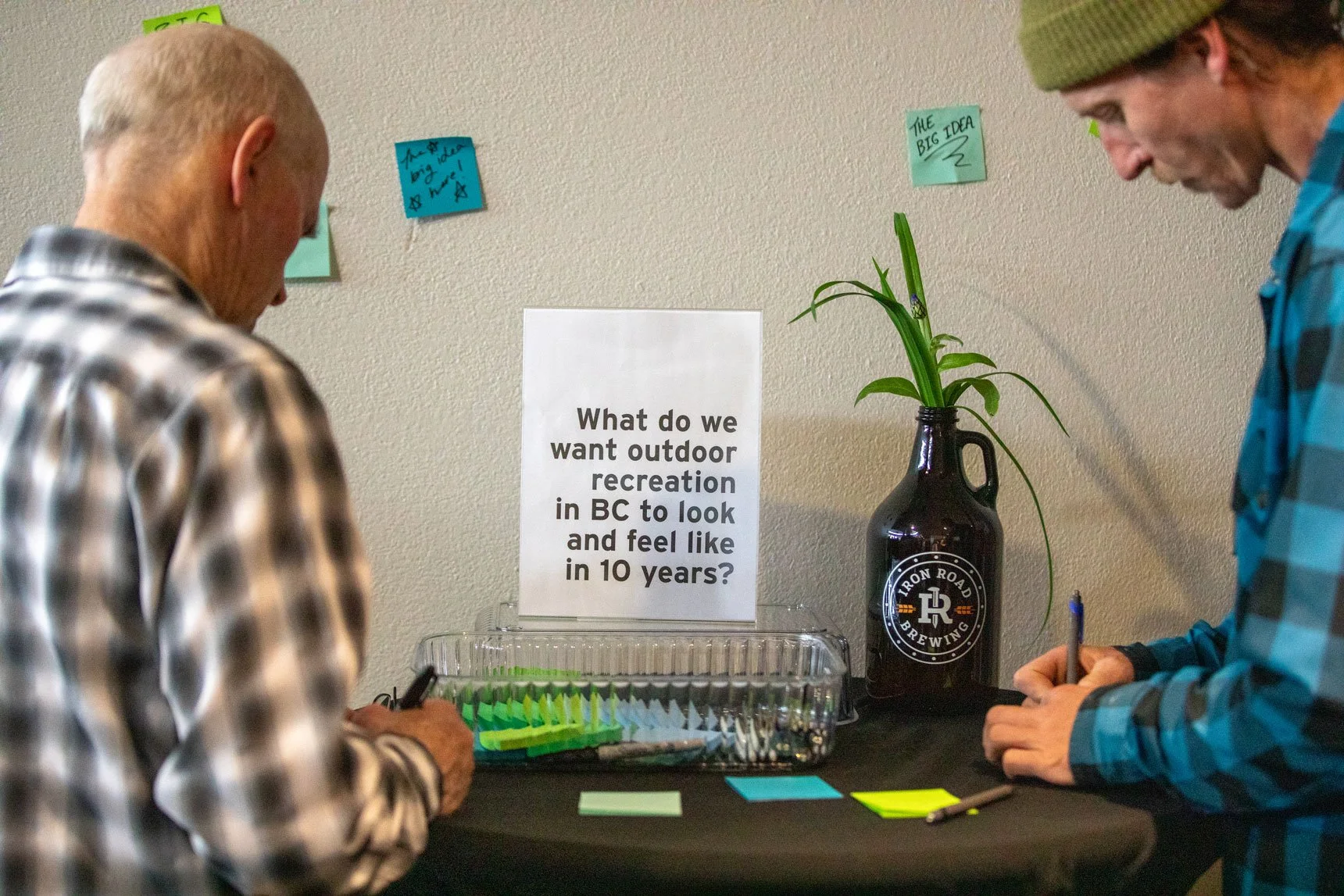
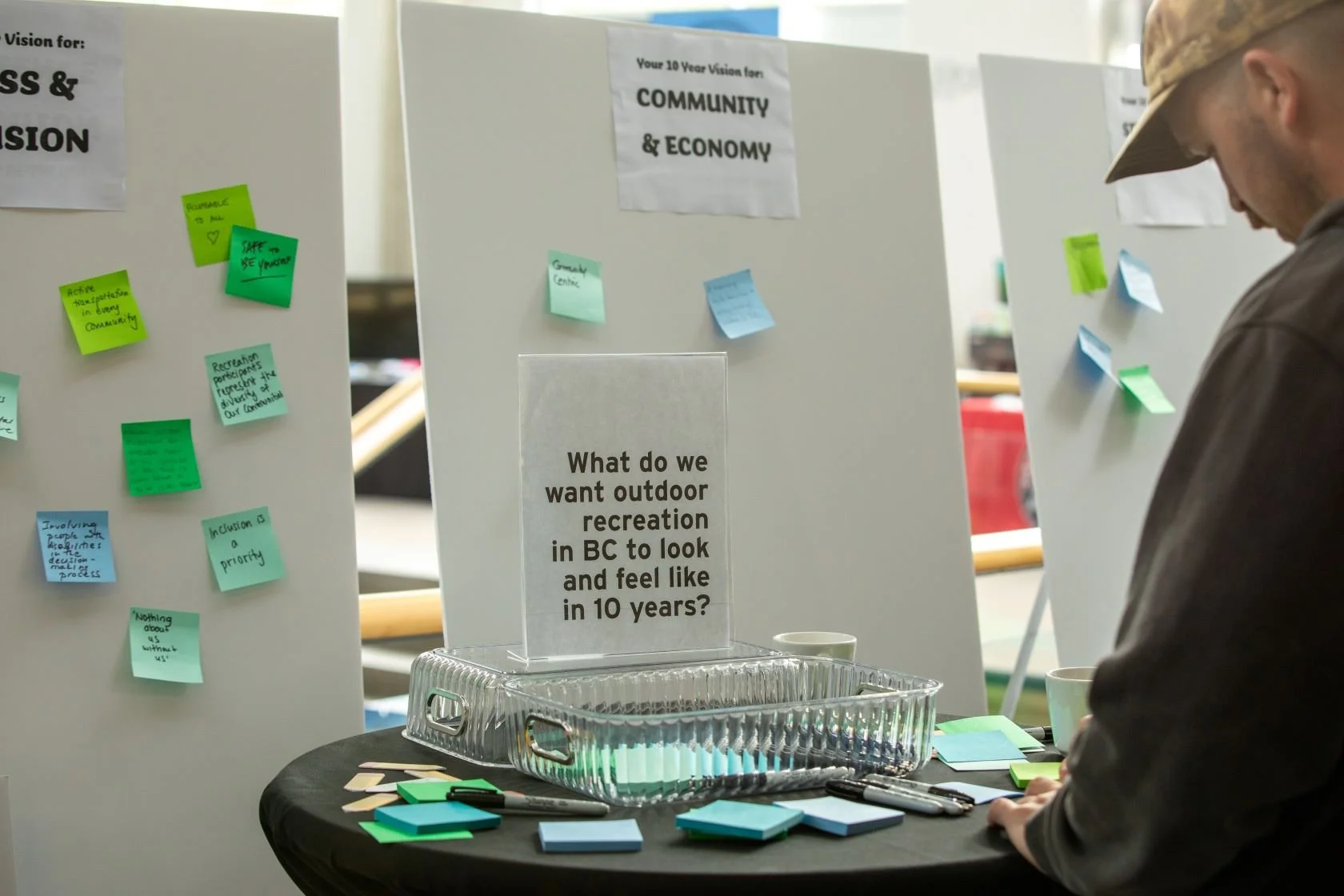
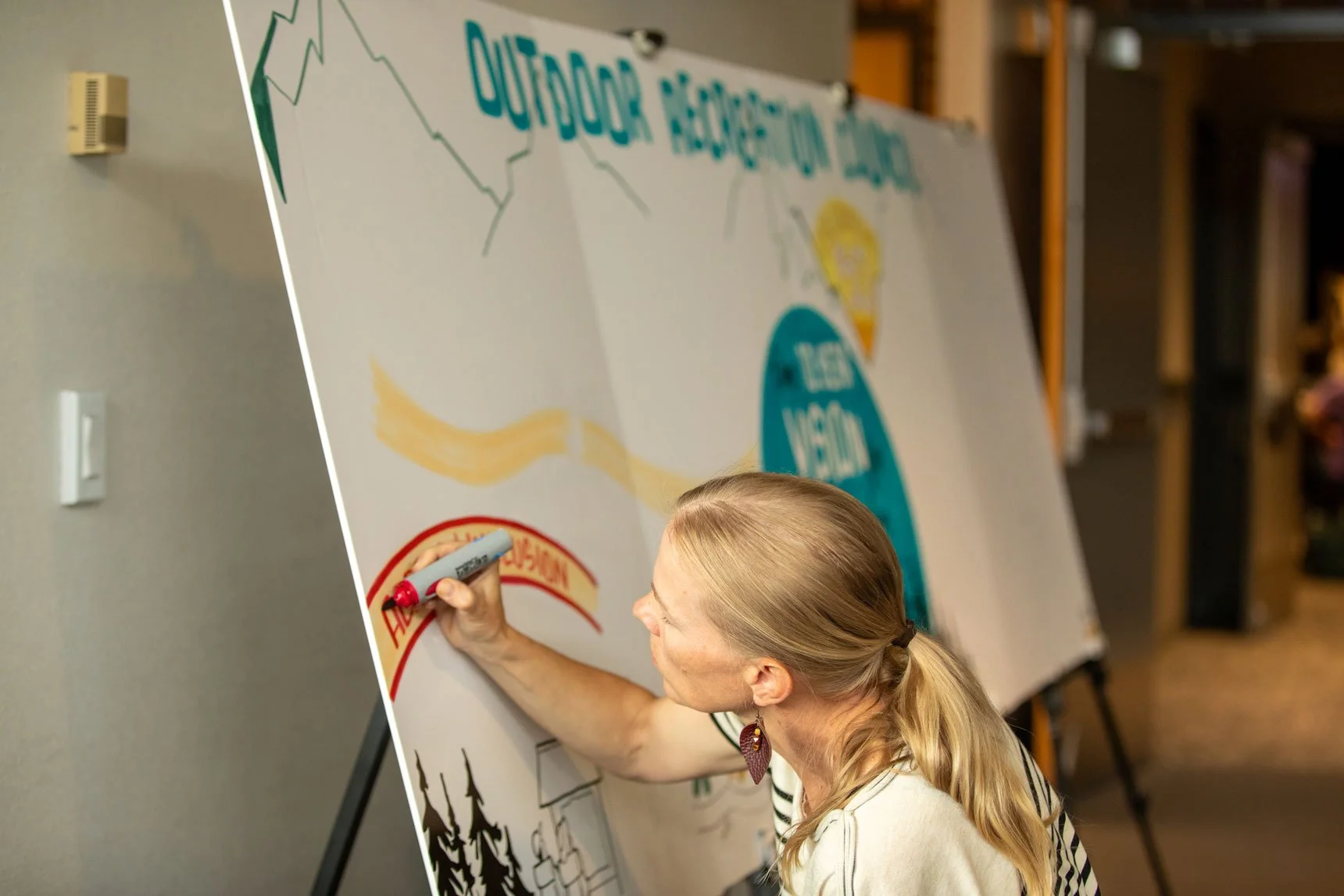
A graphic illustrator was on-site throughout the last day creating a drawing inspired by attendees ’ input to The Big Question: What do we want outdoor recreation in BC to look and feel like in 10 years? By the end of the day, she had filled a poster board with art. A photographer and videographer were also capturing footage throughout the conference.
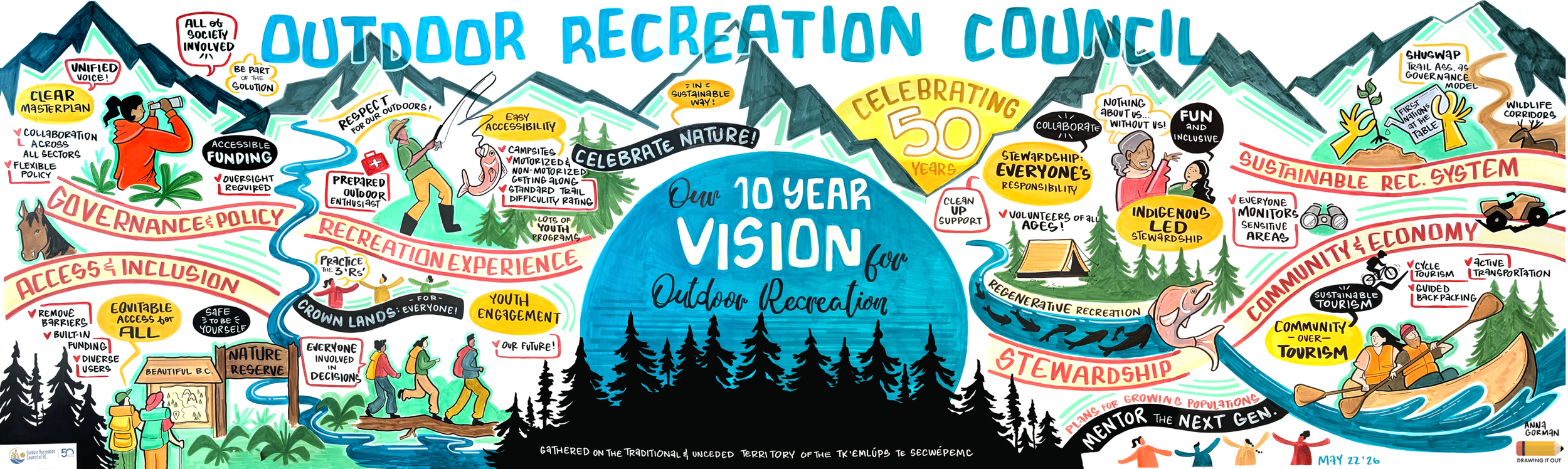
Created by Anna Gorman for Drawing it Out with input from conference attendees.
The last session of the conference started with a plenary panel and a keynote, encouraging attendees to work to make the outdoors more welcoming for everyone. Minister Davidson bookended the event with a short speech.
Over the two days, almost one third of attendees delivered a presentation, taught a workshop, or participated in a panel.
“That says a lot about the outdoor recreation community,” says Pedersen. “These people are doers. But I think the reason so many people found the conference valuable is because of everyone who attended, asked questions and participated. Great things happen when great people come together. We’re so flattered that everyone chose to spend a few days with us in Kamloops.”
Presenter Resources Now Available
We know there was an immense amount of valuable data and strategy shared across the sessions. To help you bring these insights back to your teams, many of our speakers have graciously shared their slide decks, handouts, and resource links.