Conference agenda.
Building Stronger Communities Through Outdoor Recreation
May 20-22, 2026 at Thompson Rivers University, Kamloops
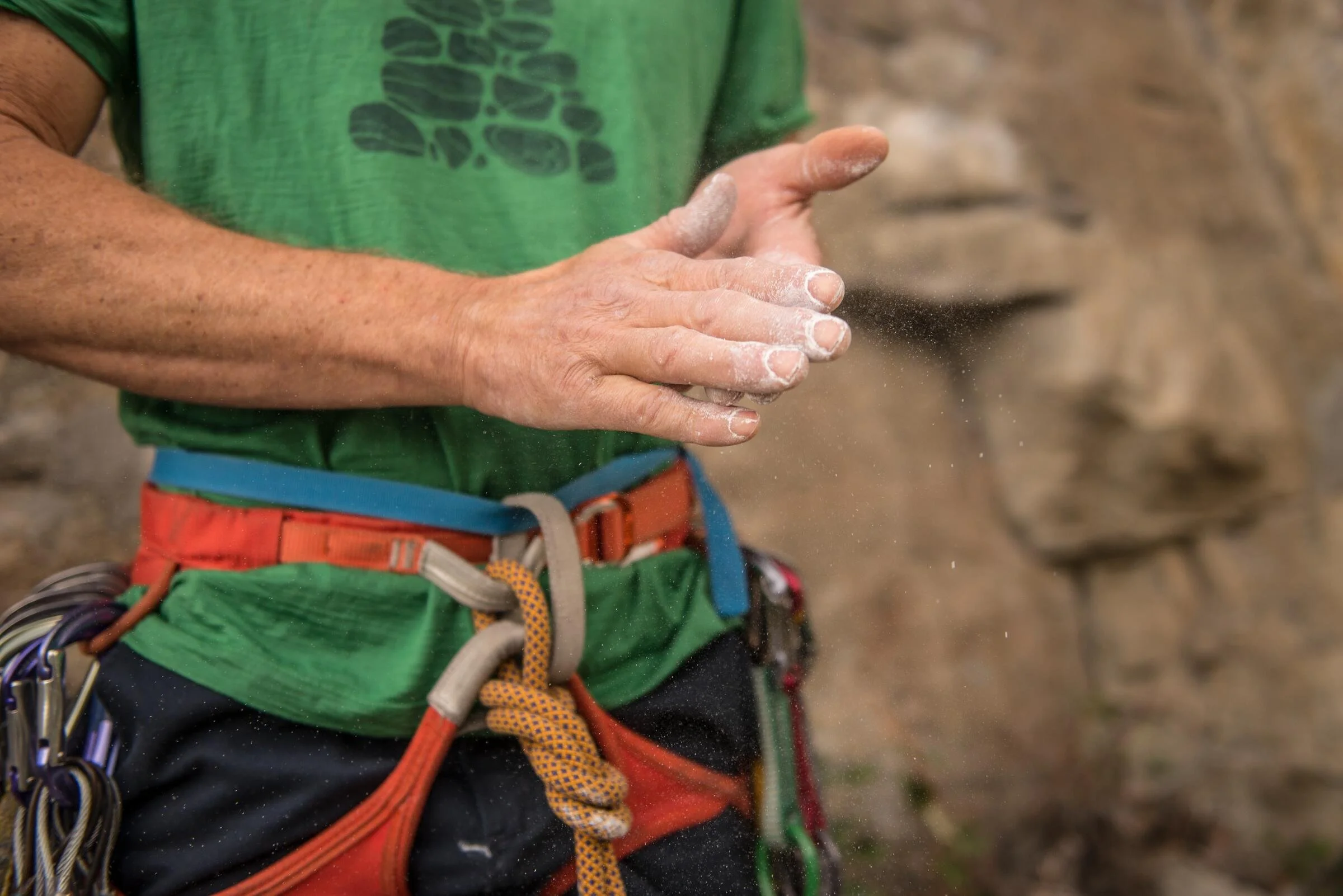
Image: Destination BC & Kari Medig
About the conference
Join outdoor recreation leaders, volunteers, Indigenous partners, land managers, researchers, and community builders from across British Columbia for three days of learning, collaboration, and inspiration.
Registration for the 2026 ORCBC Conference is now closed as the conference has sold out.
Thank you for the incredible interest and support. We look forward to welcoming attendees to Kamloops on May 20–22, 2026.
On-site activities & services
KORE Re-Hub Repair Village
The KORE Re-Hub Tour is launching at this year’s conference with an expanded Repair Village featuring free outdoor gear repairs, wetsuit repairs and recycling, and a pop-up shop from Kamloops-based Six Seasons Hiking Apparel Co. Bring your clean jackets, tents, sleeping bags, backpacks, wetsuits, and other soft goods to help keep gear in use and out of the landfill - and save your money.
Drop off your clean (and duct-tape-free) items during the day and pick them up later. Professional technicians will be on hand with industrial sewing machines, heat welders, and more. Run by the Kootenay Outdoor Recreation Enterprise (KORE), the Re-Hub Tour helps keep gear in use and out of the landfill.

Credit: KORE
Wednesday, May 20, 2026
Optional pre-conference workshops
9:00 AM–4:00 PM (TRU/off-site)
Kick off the conference with optional, hands-on learning opportunities focused on practical skills and leadership in outdoor recreation. Planned topics include trail building, wildlife safety, off-road vehicle skills and safety, and governance, with sessions led by experienced practitioners. Some workshops will take place at TRU, while others may be hosted off-site for field-based learning.
Registration + expo
4:00–6:00 PM (Rotunda)
Check in, pick up your conference materials, and connect with fellow attendees. Visit exhibitor tables to learn about programs, services, and initiatives from partners across the outdoor recreation sector. This is a great opportunity to network, explore resources, and kick off the conference.
Mingler with BCPARF
4:30–6:00 PM (Rotunda)
Meet and mingle with attendees of the BC Protected Areas Research Forum. The Forum is a meeting of government agencies and land managers from across the province and beyond, who will be wrapping up their conference just as ours gets going. This shared event is a unique opportunity to bridge two communities that are working toward the same goal from different angles.
Welcome reception
6:00 PM (Horticultural Gardens, TRU)
Join us for an evening of connection in the Horticultural Gardens at TRU. Meet fellow attendees, speakers, and partners and enjoy light refreshments and food, with a cash bar available.
Thursday, May 21, 2026
Registration and breakfast
7:00–7:45 AM (Grand Hall)
Opening session
7:45–9:30 AM (Grand Hall)
Our opening session will prepare attendees for the discussions and learning ahead. The conference will begin with welcomes from members of Tkʼemlúps te Secwépemc First Nation, Louise Pedersen (ORCBC), and Lisa White (Tourism Kamloops). Attendees will then hear a keynote from John Hawkings, Executive Lead for Recreation Strategy & Service Transformation with the Ministry of Environment and Parks, on the provincial government’s evolving vision for outdoor recreation.
Moderated by Peter Larose (Larose Research and Strategy), Shelley Witzky from the Adams Lake Indian Band will tell us about the relationship-building that went into the Shuswap Landmarks Project, and Tom Eustache from the Simpcw First Nation will share the transformation that followed a mountain bike trail-building project at Chu Chua. The conversations will show that good things happen when we find common ground.
-
Lisa White
Lisa White is a member of the leadership team at Tourism Kamloops, where she helps champion the region’s vibrant outdoor visitor economy. Having called Kamloops home for nearly 25 years, she’s a passionate outdoor enthusiast who can often be found mountain biking, fishing, skiing, or exploring with her family.
John Hawkings
John Hawkings is the Executive Lead, Recreation Strategy and Service Transformation in the Ministry of Environment and Parks. Prior to his current role, John was the Executive Director of Recreation Sites and Trails BC from 2015 to 2022 and the Provincial Trails Manager before that. Before joining the Public Service in 2007, John spent much of the previous 15 years involved in forest-based recreation planning and implementation throughout the Sea to Sky Corridor in both the public and private sector and also worked for 3 years in US National Parks. John lives in Squamish where he enjoys all the opportunities available in a BC mountain town with his wife Tanya and two teenage kids.
Peter Larose
Peter is a research and planning specialist and university instructor in Tk'emlúps (Kamloops), British Columbia. As Principal of Larose Research & Strategy since 2013, he has led more than 100 projects in areas such as tourism planning, recreation impact analyses, adventure tourism, and Indigenous tourism planning – among others. He specializes in quantitative and qualitative research, facilitation, and strategic planning to support community and sector development. Since 2015 Peter has taught senior undergraduate courses in social science research methods, sustainable tourism, regenerative agri-tourism, tourism policy & planning, the sociology of tourism, adventure tourism, and others. Peter’s life mission is to leverage tourism and recreation economies for social, economic, and environmental benefits, and Indigenous reconciliation. He also volunteers as a director of Mountain Biking BC, the Kamloops Bike Riders Association, and as full-time chauffeur of two teenage boys.
Transition
9:30-9:45 am
Breakout sessions
9:45-10:30 am
The following sessions run at the same time. Participants will select one session to attend.
Alpine Room: From Problems to Solutions: Reverse Engineering, Recreation, Zoning, and Trail Classification
Magi Scallion, Mark Barsevskis and Andrea de Vries (McElhanney). This workshop is 90 minutes long and overlaps with the next session.
Join an interactive workshop that begins by identifying common trail-use problems, then moves on to recreation zoning and trail-classification solutions. Participants will be provided with a new way to think about policy as it relates to trails. This is a hands-on session, and attendees will leave with behavioural design tools to help with their unique trail problems.
-
Magi Scallion
Magi Scallion, MBA, is the manager of McElhanney’s Trails and Outdoor Recreation Infrastructure division. Magi has more than twenty years of experience leading strategy and planning initiatives with outdoor recreation organizations, businesses, and government. Her experience seeing projects come to life or sit on a shelf has piqued her interest in behavioural change.
Andrea de Vries
Andrea de Vries, CPSM, is a behavioural‑focused marketing strategist at McElhanney and Chair of the firm’s EDI Committee. With over fifteen years’ experience designing for behaviour change, she helps communities adopt long-term community frameworks using strategic communication, cultural insight, and equity‑centered process design.
Mark Barsevskis
Mark Barsevskis, RPP, MCIP is a Senior Planner at McElhanney based in Whistler B.C., specializing in trail planning, and outdoor recreation infrastructure. Together with the McElhanney team, Mark helps turn plans into reality and guides projects across Canada that integrate community vision, environmental stewardship, and innovative design to create practical and inspiring recreation experiences.
Grand Hall: Making Fishing More Accessible
Matt Jennings (BC Fishing Tourism Association), Mike Gass (Freshwater Fisheries Society of BC) and Jesse Zeman (BC Wildlife Federation)
Three leaders in recreational fishing in B.C. will share the stage to highlight the ongoing work to make the sport more accessible, in every sense of the word. In this wide-ranging conversation, we’ll hear about efforts to build accessible docks and boat launches, balance tourism promotion and angling opportunities, manage invasive species, conserve fish, and address funding challenges and opportunities.
-
Mike Gass
Mike Gass is the Manager of Recreational Fishing Development for the Freshwater Fisheries Society of BC. Mike has worked for the Society for over 20 years, and in his current role, he oversees projects that improve access to recreational fishing and outreach activities aimed at recruiting new anglers. Mike is a lifelong angler and lives in Chilliwack, BC.
Mountain Room: Trail & Recreation Project Delivery
Tyler Wilkes (RC Strategies)
Public demand and expectations for high-quality recreational experiences are rising, but resources to build, maintain, and manage infrastructure are increasingly limited. Making the most of resources is more important than ever. This presentation will share tips and best practices for efficient and effective project planning and execution at any stage of the recreation infrastructure lifecycle.
-
Tyler Wilkes
Tyler Wilkes has over 20 years of experience in trail planning, operations, design, maintenance, and construction administration across Canada. He combines his practical experience gained as a trail organization volunteer, government staff member, and consultant with his engineering background to design, manage, and deliver trail projects of all sizes as a Project Manger at RC Strategies.Description text goes here
Terrace Room: How Outdoor Organizations Can Reduce Risk Through Insurance and Waivers
Jon Heshka (Thompson Rivers University) and Rachela Pollock (Acera Insurance)
Insurance and waivers are ubiquitous in outdoor recreation and adventure sports. Organizations that run outdoor events or trips ought to have insurance and administer waivers as part of their risk management approach. This presentation will examine and help outdoor organizations understand how to reduce their risk exposure. It will clarify and make insurance less confusing, as well as offer up-to-date waiver best practices using case studies.
-
Jon Heshka
Jon Heshka is a professor of adventure tourism at Thompson Rivers University specializing in risk management and liability avoidance. He has also served as Associate Dean of Law from 2013-2017. He’s climbed and led expeditions from Alaska to Argentina, trained and coordinated search and rescue full-time from 1992-1999 in BC, directed the rescue and rope access division at Petzl America for three years, and has been at the university since 2002. Jon has co-authored a textbook, written nine book chapters, and more than 80 articles, in addition to presenting at 40+ conferences worldwide.
Rachela Pollock
With over 20 years of experience in sales, management, and relationship-building, Rachela specializes in risk management for the tourism, outdoor recreation, and adventure industry sector at Acera Insurance. From mountain biking and remote lodges to aviation and marine operations, she learns from industry and introduces practical ways to protect businesses. Rachela leads a team that works closely with Provincial and National Associations to implement proactive risk management strategies and navigate specialized insurance markets. Tourism is a passion that drives both Rachela's work and worldview. Having traveled to nearly 40 countries, she hosts the She Dares to Travel Podcast, highlighting stories of those who dare to explore and travel the world safely; mentally, physically, and digitally.
Networking & Refreshments
10:30-11:00 am
Enjoy a snack, network with fellow attendees, and meet Mark Angelo, founder of BC and World Rivers Day. He will be signing copies of his book River Magic: Tales from a Life on 1000 Rivers and will stick around to introduce his new film, The Rewilders, during the Community Sharing Session later this afternoon.
Breakout sessions
11:00 AM-12:00 PM
Please note that the following sessions run at the same time. Participants will select one session to attend, unless they signed up for From Problems to Solutions, which will continue through this time.
Grand Hall: How to Build Financial Sustainability and Community Impact with Social Enterprise
Michael Greer (Elevate Outdoors), Kathleen Ayre (Kootenay Connex) and Segun Fatudimu (Impact Toolbox)
This panel discussion will explore how outdoor recreation organizations can build financial sustainability and community impact through social enterprise. The session will feature three practitioners with direct experience developing and supporting social enterprises in the BC outdoor recreation and nonprofit sector. They will cover what a social enterprise is and how it fits with non-profit regulations, how to adopt a social entrepreneurial mindset, and how to get started.
-
Mike Greer
Mike Greer has been the Executive Director of Elevation Outdoors since 2015. In that time he has increased organizational revenues from $85,000/yr to $750,000/yr while diversifying revenues to provide greater sustainability, increasing the number of individuals impacted each year, and creating strong partnerships with other local organizations to drive deeper impact in the Kelowna community they serve.
Katherine Ayre
Kathleen Ayre is a funding strategist and founder of Kootenay Connex, a social enterprise supporting community organizations across British Columbia to turn strong ideas into funded, sustainable initiatives. She works across grant writing, strategy, and project development, with a focus on rural communities and building viable, impact-driven initiatives.
Mountain Room: Working with Motorized Groups
Kristin Parsons (Quad Riders ATV Association of BC), Peter Sprague (BC Off Road Motorcycle Association), Amber Lane (BC Snowmobile Federation - BCSF) and Kim Reeves (Four Wheel Drive Association of BC - 4WDABC)
Motorized recreation groups are often misunderstood, yet they play a major role in supporting trail access and recreation infrastructure across British Columbia. In this panel session, representatives from the Back Country Powersports Coalition (BCPSC) will highlight the scale and impact of their work, including maintaining an estimated 15,000–20,000 km of multi-use trails, staging areas, recreation sites, campgrounds, and other backcountry infrastructure used by a wide range of recreationists. Panellists will share how partnerships between motorized and non-motorized groups are delivering successful trail maintenance, stewardship, advocacy, and multi-use recreation initiatives that benefit entire communities.
-
Peter Sprague
Peter Sprague has served as Executive Director for both non-motorized and motorized trail organizations, and since 2008 has been the Executive Director of the BC Off-Road Motorcycle Association (BCORMA). Under his leadership, BCORMA has grown to represent over 30 clubs and approximately 5,000 members, stewarding more than 6,000 km of primarily multi-use single-track trails across the province. He has successfully raised millions of dollars for trail development and related infrastructure. Collaboration, shared-used, and sustainability form the cornerstone of his professional philosophy on backcountry recreation in British Columbia. His service on the ORCBC Reconciliation Committee has broadened his perspective on working collectively as land stewards, strengthening his commitment to respectful partnerships, shared responsibility, and sustainable recreation on the landscape.
Peter holds a Bachelor’s degree in Resource Economics from McGill University and a Master of Science degree in Environmental Engineering from the University of Saskatchewan. He has dedicated more than two decades of his career to trail development, stewardship, and advocacy across British Columbia, earning the Governor General’s Diamond Jubilee Award in recognition of his service to trail stewardship in Canada.Peter has a lifelong passion for outdoor back-country recreation, and is an avid backcountry rider, hiker, Nordic skier, and trail steward. Previously he has enjoyed rock/ice climbing, and flying hangliders and sail planes.
Kristin Parsons
Kristin Parsons is the Executive Director of the ATVBC Quad Riders Association of BC and the BC Powersports Dealers Association, and Chair of the Christina Lake Trails Alliance, a multi- use organization bringing diverse trail users together. With over 20 years of experience in non- profit leadership, she leads province-wide work at the intersection of outdoor recreation, land use, and community collaboration.
In her role, Kristin works across British Columbia with government, Indigenous communities, and recreation partners to advance responsible motorized recreation, trail development, and sustainable land use solutions. Her work focuses on building collaborative relationships between motorized and non-motorized groups, supporting shared-use trail networks, and addressing complex land access challenges through practical, community-driven approaches.
Terrace Room: Working with Private Landowners
Francis Guyver and Shalane Walsh (Mosaic Forest Management), Harry Olson (Nanaimo Mountain Bike Club) and Stewart Spooner (Kootenay Columbia Trails Society - KCTS)
More than 94 percent of B.C. is Crown Land, but that still leaves 47,000 square kilometres of private property. Recreating on private land brings significant challenges for landowners and the public, but as several trail destinations in B.C. show, it can be done successfully. In this session, representatives from Mosaic, a large private landowner on Vancouver Island, will share their efforts to improve access to recreation, including land access agreements with outdoor clubs. Joining the conversation will be representatives from Nanaimo and Kootenay outdoor clubs who have developed strong relationships with private landowners.
-
Francis Guyver
Francis Guyver is the South Island Land Use Forester at Mosaic Forest Management, where he consults and collaborates with communities and local government, chairs Mosaic’s Sponsorship and Donations Committee, and chairs Mosaic’s Access and Recreation Committee.
With over 14 years of multinational experience working within UK’s and Canada’s forest sector, Francis understands the challenges facing the industry, the significance of recreation within forests and woodlands, and the importance of building practical partnerships with communities, local government, recreation groups, environmental groups, and the significance of organisations “showing up” in the areas that we work and play.
Shalane Walsh
Shalane Walsh currently serves as Manager, Government Relations & Policy at Mosaic Forest Management and is also the Project Manager for the company’s Recreation Access Refresh Initiative. With over 15 years of experience in people and culture, communications, project management and stakeholder engagement, Shalane’s work has centred on supporting organizations through change, strengthening systems and policies, and partnering across teams and functions to advance strategic initiatives — experiences that continue to inform her work across the organisation and the range of initiatives she supports.
Harry Olsen
Harry brings together his professional background as a multidisciplinary designer and his volunteer leadership at the Nanaimo Mountain Bike Club to explore how design thinking can strengthen outdoor organizations. A graduate of Hyper Island’s Master’s in Digital Experience, Harry’s work explores how design and technology can strengthen community systems and create a culture of stewardship within outdoor recreation.
Stewart Spooner
As the full-time operations manager with the Kootenay Columbia Trails Society, Stewart has been responsible for the development, management, and maintenance of the extensive trail network around Rossland BC for the past 25 years.
Lunch and keynote
12:00-1:00 PM (Grand Hall)
Over lunch, we will hear from keynote speaker Mark Angelo, co-founder of ORCBC and founder of BC and World Rivers Day. Mark will reflect on ORCBC’s early years, sharing stories and inspiration from decades of leadership in river conservation, stewardship, and outdoor recreation.
Breakout sessions
1:00-2:00 PM
The following sessions run at the same time. Participants will select one session to attend.
Alpine Room: Building Volunteer Recruitment
Rachelle Tomm (4WDABC), Kirsten Silfvenius (Alpine Club of Canada-Columbia Mtn Section) and Lilly Woodbury (Surfrider Foundation Canada)
Volunteer recruitment, retention, and management can be challenging, but some organizations are finding success. In this session, speakers will share simple, repeatable strategies for growing volunteer engagement and discuss what other organizations can learn from their experiences.
-
Kirsten Silfvenius
Kirsten Silfvenius is the founder and CEO of Gudtrails, a company that helps outdoor recreation communities improve stewardship and visitor experience through an easy-to-edit digital map. With roots in rural economic development and outdoor recreation non-profits, she brings a practical, community-first approach to tourism technology. Her background also includes contract work in events and destination marketing throughout the Kootenay Rockies, collaborating with organizations such as Tourism Revelstoke and Kootenay Outdoor Recreation Enterprises. In her spare time she’s a member of Revelstoke Search & Rescue, and a former Chair of the Alpine Club of Canada - Columbia Mountains Section.
Grand Hall: Understanding Cumulative Effects and Recreation: Land Stewardship Planning for ʔa·kxam̓is q̓api qapsin (All Living Things)
Nikki Heim (Yellowstone to Yukon Conservation Initiative - Y2Y) and Chad Luke (Ktunaxa Nation)
What are cumulative effects, and what’s the impact of recreation? This presentation will provide an overview of a novel and holistic project, led by the Ktunaxa Nation, to better understand recreation in the context of cumulative effects. Guided by Ktunaxa stewardship principles, this project highlights the importance of zooming out and thinking about how we are collectively stewarding the land in a way that ensures the long-term health of ecosystems and sensitive species.
Mountain Room: Quantifying the Outdoors: Early Economic Insights from BC’s Outdoor Recreation Economy
Wendy Koh (Ministry of Jobs & Economic Growth), K’ari Fischer (Ministry of Environment & Parks) and Rasim Jafarov (BC Stats)
How much does outdoor recreation contribute to B.C.’s economy? This session will share early insights from the BC Outdoor Recreation Satellite Account initiative, a collaboration between the Ministry of Jobs and Economic Growth, the Ministry of Environment and Parks, and BC Stats to better understand the sector’s economic impact. Presenters will highlight how this work is beginning to quantify the direct and indirect contributions of outdoor recreation, support land-use and infrastructure planning, and inform economic development strategies. Attendees will also learn how the methodology can be applied to assess recreation’s economic impact in regions across B.C., and how organizations can use this emerging data.
Terrace Room: The Value of Roundtables: Multi-Use Trails and the Shuswap Regional Trails Roundtable
Brian Pratt (4WDBC), Linda Buchanan (Backcountry Horsemen of BC), and Jen Bellhouse (Shuswap Trail Alliance)
The Shuswap Regional Trails Roundtable is one of the most successful examples of a collaborative approach to planning, developing, and maintaining recreational trails. Panellists representing motorized recreation, equestrian users, and the Shuswap Trail Alliance will share the Roundtable’s guiding values and principles, as well as the working groups formed to advance specific projects — including the management of shared trail networks for equestrian, mountain bike, motorized, and hiking users.
-
Brain Pratt
Brian is the Director of Regions for the Four Wheel Drive Association of British Columbia, a Director for TreadLightlyCanada, Master Tread Trainer for TreadLightly! and a Wheeling Wisely trainer for the 4WDABC. He works with Rec Sites and Trails BC and BC Parks on establishing partnership agreements and planning maintenance and upgrades for rec sites and fire lookouts throughout BC, educating back road users in the principles Of TreadLightly!, educating 4WDABC members and connecting with 4WDABC regional reps while truck camping throughout the province. Brian loves what the Association does to keep public access to public lands, educating people on back country travel, ethics and attitudes and community work.
Linda Buchanan
Linda Buchanan has been a member of Back Country Horsemen of BC (BCHBC) for 25 years. She is the Chair of the BCHBC Provincial Trail Committee and Trail Coordinator for BCHBC - Shuswap Chapter. She is passionate about trails and loves to get "High” (in the mountains) on her horse Mac.
Jen Bellhouse
Jen is the Executive Director of the Shuswap Trail Alliance and has a Bachelor of Applied Sciences in Conservation Enforcement. She brings a strong diverse background working in the environmental sector and she specializes in grant writing, management, and reporting. Jen is happiest in the woods hiking or snowshoeing.
Transition
2:00-2:15 PM
Community sharing sessions
2:15-3:15 pm
Hear stories of accomplishment from across the province. Learn about how different groups have found success and made a difference. Choose from one of three sessions or watch BC Rivers Day founder Mark Angelo’s new film, The Rewilders.
Alpine Room: Getting It Done
Learn how organizations across BC are taking initiative and creating change in their communities.
From Community to Coastal Activist (Lilly Woodbury, Surfrider Foundation Canada): The story of how the Surfrider Foundation turns passion into action.
4WDBC Community Building (Kim Reeves, 4WDACB): How the association became a self-funded, high-performing volunteer organization over 15 years.
Building Relations with First Nations on the Coast (Norman Marcy, BC Marine Trails): How BC Marine Trail has meaningfully engaged with dozens of coastal First Nations.
Restoration and Recreation: Cleaning up 80,000 Pounds of Garbage (Carl Ronka, Web of Life Society): How leveraging the outdoor community can lead to major stewardship successes.
-
Carl Ronka
Carl Ronka is a life long nature enthusiast, and has been studying plants, fungi, and nature for almost 20 years. He guides foraging and after dark nature expeditions, and is the founder of Web Of Life Society, a Metro Vancouver based non-profit that has removed over 100,000 pounds of trash from local forests and rivers, and is planning numerous wildlife habitat installations, ecological restoration projects, and pollinator enhancement sites this year and beyond.
Grand Hall: The Rewilders Film
A screening of Mark Angelo’s (ORCBC pioneer and BC Rivers Day founder) new film. Fierce and passionate individuals are taking audacious measures to save a planet in crisis. The Rewilders is a visually spectacular short documentary that follows pioneering conservationists across three continents (including B.C.) as they work to rewild iconic species such as jaguars, elephants, bison, and Pacific salmon. The impact of their efforts is galvanizing a global movement, one species and one landscape at a time. Watch the trailer: https://www.rewildersthefilm.com/
Mountain Room: More Than a Path
Trails and bikes are the uniting elements of these three presentations. Expect inspiration, aspiration and resilience.
A National Perspective on Community Trail Planning (Justin Darbyshire, IMBA Canada): Explore what BC can learn from other leading mountain biking destinations across Canada.
Cycle Tourism in BC: Building Community Connections (Heather Piwowar, Trails BC & Colleen MacDonald, Let’s Go Biking): Discover the potential of embracing cycle tourism to strengthen local communities.
After the Fire: Logan Lake Trails Recovery (Megan Turnock, Lees + Associates): The story of restoring a community forest trail network after a devastating wildfire.
The Long Game (Stewart Spooner, KCTS): How 30 years of commitment transformed Rossland into a renowned trail destination.
-
Justin Darbyshire
Born on the coast and raised in the Kootenays, Justin “Jay” Darbyshire possesses a deep passion for exploring our shared physical and cultural landscape through outdoor recreation. Having been involved in the mountain bike industry for over 20 years through both employment and advocacy work, he carries a heavy toolbox packed with personal experiences. For the last decade Jay has worked across the country with IMBA Canada and the Indigenous Youth Mountain Bike Program constructing trails in some of the country's most unique landscapes.
Heather Piwowar
Heather Piwowar is a Vancouver-based cyclist and Adventure Cycling Association tour leader. She previously co-founded a science non-profit that grew to $2M/year, and is now part of a group of BC cycling organizations working to establish a provincial cycle tourism body for the province. Here's to BC standing alongside Québec and New Zealand as one of the world's great cycle touring destinations!
Megan Turnock
Megan is the Principal leading parks, recreation, and trails planning at LEES. She brings over 20 years of experience in outdoor recreation planning for public-sector clients in communities large and small across BC and Canada. Her approach centres on collaboration to build community capacity and integrate recreational opportunities with ecological stewardship, reconciliation, and economic diversification.
Stewart Spooner
As the full-time operations manager with the Kootenay Columbia Trails Society, Stewart has been responsible for the development, management, and maintenance of the extensive trail network around Rossland BC for the past 25 years.
Terrace Room: Building It
Learn how building outdoor recreation infrastructure can create benefits far beyond access to nature.
#WaglislaTrails (Evangeline Clifton, Heiltsuk Trail Makers): How trail building has become a catalyst for wellness, pride, and quality of life for the Heiltsuk First Nation.
Pemberton Trails Working Group (Ariane Larouche, Pemberton Valley Trails Association and Roxanne Joe, Lil'wat Nation): Demonstrating the power of uniting diverse interests around a shared goal.
Backcountry Horsemen of BC Successes (Brian Harder, Back Country Horsemen of BC): Exploring the ingredients needed to create successful recreation projects.
TCT Climate Solutions (Stacey Dakin, Trans Canada Trail) shares the Trans Canada Trail’s Climate Sustainability and Nature Initiative and how it is transforming climate change risk into opportunity by positioning trails as pathways for climate action, community resilience, and nature connection.
-
Evangeline Clifton
Evangeline Clifton was born and raised in Bella Bella. She is passionate about tourism as a pathway to healing, reconnection, and economic resilience. Focused on creating respectful, land-based experiences that celebrate culture while supporting long-term community growth; oversees and leads #waglislatrails project and the Qatuwalas.
Ariane Larouche
Ariane Larouche is the Executive Director of the Pemberton Valley Trails Association, where she supports the maintenance, development, and stewardship of a 200km trail network for diverse trail use. With a background in industrial engineering, she works at the intersection of recreation and community collaboration, supporting and advancing initiatives like the Pemberton Trails Working Group to build inclusive and sustainable trail systems.
Brian Harder
Brian Harder is the current president of the Backcountry Horsemen of BC, he has been a member for over 20 years. He is a retired USW Union representative and now enjoys his retirement with his partner Vivian. Brian enjoys riding the backcountry and clearing and maintaining trail with his horses Winchester and Remington and pack mule Licorice.
He likes nothing better than taking a new person out to explore this great province of on horseback.
Organized outdoor activities - hikes, fly fishing, paddles and rides
3:15-6:00 PM (off-site)
Enjoy a guided hike, paddle or ride led by local recreation groups and the TRU Adventure Studies team. Spaces are available on a first-come, first-served basis. Registration details will be emailed to all registered attendees. There is no additional fee to participate. Activities are weather-dependent.
Conference dinner & celebration
7:00 pm (Grand Hall)
This isn’t just a conference–it’s the ORCBC 50th anniversary. Over dinner, drinks, and a couple of short speeches, we will celebrate 50 years of working together to advocate for outdoor recreation in British Columbia. Kim Reeves from the Four Wheel Drive Association of BC will deliver a keynote address highlighting how the ORCBC survived for 50 years to become the organization it is today.
Friday, May 22, 2026
Breakfast
7:00–8:00 AM (Grand Hall)
Plenary session
8:00–8:45 AM (Grand Hall)
Responsible Recreation Plenary
Moderator: Elizabeth Thorsen (Leave No Trace Canada) with panellists: Brian Cant (4TVI), Kim Howson (Airbnb) and Sandra Riches (BC Adventure Smart)
As the outdoors gets busier and more and more inexperienced users head outside, how do we encourage respectful recreation and instill sustainable ethics? The short answer is that it’s everyone’s responsibility. Leave No Trace Canada’s first executive director, Elizabeth Thorsen, will moderate a panel discussion to explore it from several angles. Hannah Parish, Airbnb’s Canadian manager, will talk about how they are working with hosts to encourage their guests to be good visitors. Brian Cant, president of 4VI, will share province-wide efforts to develop regenerative tourism. And Sandra Riches, from BC Adventure Smart, will share communication and cooperation strategies that work.
-
Elizabeth Thorsen
Elizabeth Thorsen is the Executive Director of Leave No Trace Canada, bringing over 15 years of experience leading and scaling mission-driven organizations across the nonprofit, sustainability, and innovation sectors. She has deep expertise in operations, governance, fundraising, and strategic growth. In her role, Elizabeth focuses on strengthening governance and operational excellence to support the organization’s mission of advancing environmental stewardship and responsible outdoor recreation across Canada.
Brian Cant
Brian Cant is President, 4TVI (Tourism Vancovuer Island). Cant has worked in strategic leadership in the tourism industry for more than two decades. Inspired by his summer job guiding visitors through the underground mine at the Rossland Museum, Cant found his calling in the industry. He is a proud member of the 2SLGBTQIA+ community and one-half of a two-dad family.
Kim Howson
Kim Howson leads policy and government relations for Airbnb across Western Canada. A creative strategist with over 15 years of experience spanning the non-profit, public, and private sectors, she specializes in partnership development, stakeholder engagement, and philanthropy, and loves connecting people and projects across diverse groups and interests. Kim calls Vancouver Island home and is a voracious reader, avid traveler, and proud toddler mum.
Sandra Riches
Sandra Riches is the Executive Director of BC AdventureSmart, a program of the BC Search and Rescue Association focused on outdoor education and incident prevention. She works with volunteer search and rescue teams, government partners, and outdoor organizations across British Columbia to help people plan ahead and make safer decisions outdoors. For over 30 years, Sandra has led initiatives and partnerships that promote safer recreation across the province.
Transition
8:45-9:00 am
Breakout sessions
9:00-10:30 AM
The following sessions run at the same time. Participants will select one session to attend.
Alpine Room: Raising the Next Generation of Outdoor Recreation Leaders
Andrew Stagemann and Blake Rowsell with students, Natalia Scally and Lanny Yan (Capilano University)
Outdoor education in post-secondary institutions is uniquely positioned to shape the next generation of leaders, educators and recreation professionals. This session opens with a short presentation highlighting current trends and challenges in post-secondary outdoor education, followed by a student-led showcase exploring how to share decision-making with younger members, where and how to reach them, and which volunteer roles and club experiences actually incentivize them to join and stay. We close with a facilitated mini-workshop where participants collaborate in small groups to identify practical “next steps” to advance outdoor education and youth engagement in their own institutional or community contexts.
-
Andrew Stegemann
Andrew Stegemann is a faculty member and Program Coordinator in Outdoor Recreation Management at Capilano University, where he also teaches in the School of Tourism Management. Before joining CapU, he spent over 15 years in the environmental nonprofit sector, leading organizations, shaping strategy and advocating for water and wild places. Andrew is also a father to two daughters and can often be found in the mountains or on the ocean, biking, running, kayaking or wandering among the plants and animals.
Blake Rowsell
Blake Rowsell is an outdoor professional that is passionate about teaching and learning. He is actively engaged in supporting students and peers in developing their careers in the outdoor industry. Blake has been teaching at Capilano University in 2014. When Blake is not teaching, he works as a ski guide and avalanche educator. He also serves on several mountain bike trail association boards of directors. Most importantly, Blake is a dad to two young boys. He enjoys sharing his passion for the outdoors with his kids.
Lanny Yan
Lanny Yan is an Outdoor Recreation Management student, currently studying at Capilano University in North Vancouver, BC. With a background in coaching, tourism, and outdoor leadership, Lanny combines hands-on skills with a passion for fostering learning and education in the outdoors. Outside of his program, Lanny is an avid hiker, runner, climber, freelance photographer, and advocate for sustainable outdoor practices and land stewardship.
Grand Hall: The Value of Trails: Understanding the Use and Impacts of Mountain Biking Trails in British Columbia & Scalable Research Design
Aviva Fialkow (Vancouver Island University), Meghan Tabor (Mountain Bike BC), Dr. Farhad Moghimehfar (Vancouver Island University) and Peter Larose (Larose Research & Strategy)
This is a two-part session, opening with a presentation of Mountain Bike BC’s community dashboard research project, followed by a workshop on how to conduct your own low cost research project. The opening will share the results of a province-wide study conducted across 20 B.C. trail networks, including surveys of trail managers and more than 6,000 trail users. Discussion topics will cover what the research reveals about how mountain biking is affecting your communities’ trails, local economy, and quality of life, and whether your current decisions about trail investment, maintenance, and access are keeping pace with who is really using your trails, when and how? For the last 30 minutes, Peter Larose, who has conducted a dozen economic impact analyses, will lead a workshop teaching simple ways to gather economic and non-economic value and user data for conducting research on any kind of outdoor recreation.
-
Aviva Fialkow
Aviva Fialkow is a graduate student at Vancouver Island University completing her Master’s in Sustainable Leisure Management. From 2023–2025, she served as Manager of Advocacy & Community Relations at Mountain Biking BC. This role exposed her to the social, economic, environmental, and political dimensions of outdoor recreation and land management in British Columbia and inspired her to pursue her master’s thesis with supervisor Dr. Farhad Moghimehfar. Aviva's research examines the experiences and challenges of mountain biking trail managers in British Columbia.
Throughout her career, Aviva has worked in non-profit and academic settings to advance conservation, sustainability, and Indigenous-led research across British Columbia and Alberta. She looks forward to completing her thesis this summer and applying her research skills to build capacity for nonprofit organizations that are advancing sustainable outdoor recreation and reconciliation in BC.
Meghan Tabor
Meghan is a tourism and mountain biking leader with nearly a decade of experience advancing destination development, community partnerships, and sustainable growth. Most recently serving as Executive Director of Tourism Revelstoke, she led marketing, destination management, and stakeholder engagement initiatives, working closely with local governments, industry, and community organizations.
Meghan also brings a strong grassroots perspective as past president of the Revelstoke Cycling Association, where she supported trail development, stewardship, and advocacy alongside volunteers and land managers. Now stepping into a provincial leadership role, Meghan is focused on strengthening British Columbia’s position as a world-class mountain biking destination while advancing sustainable stewardship, data-driven decision-making, and long-term resilience for trails and communities.
Dr. Farhad Moghimehfar
Dr. Farhad Moghimehfar is a professor of Recreation and Tourism Management at Vancouver Island University and the BC Regional Innovation Chair in Tourism and Sustainable Rural Development. His work focuses on supporting communities across British Columbia in developing sustainable and resilient tourism and outdoor recreation economies. He collaborates closely with local governments, community organizations, and industry partners on projects related to economic development, visitor use management, recreation planning, and tourism policy.
Peter Larose
Peter is a research and planning specialist and university instructor in Tk'emlúps (Kamloops), British Columbia. As Principal of Larose Research & Strategy since 2013, he has led more than 100 projects in areas such as tourism planning, recreation impact analyses, adventure tourism, and Indigenous tourism planning – among others. He specializes in quantitative and qualitative research, facilitation, and strategic planning to support community and sector development. Since 2015 Peter has taught senior undergraduate courses in social science research methods, sustainable tourism, regenerative agri-tourism, tourism policy & planning, the sociology of tourism, adventure tourism, and others. Peter’s life mission is to leverage tourism and recreation economies for social, economic, and environmental benefits, and Indigenous reconciliation. He also volunteers as a director of Mountain Biking BC, the Kamloops Bike Riders Association, and as full-time chauffeur of two teenage boys.
Mountain Room: Tracks & Trails Workshop
Nadine Raynolds (Y2Y), Mel Wigglesworth (Fernie Trails Alliance), Andrea Kortello (Poisson Consulting Ltd.) and Katharina Bsteh (Provincial Caribou Recovery Program)
Knowing we share the trails with wildlife is one of the things that makes outdoor recreation special. So how do we make sure our presence doesn’t have a negative impact on wildlife? This workshop will share wildlife stewardship success stories from across species, seasons, and outdoor pursuits. Participants will leave with an understanding of how to stay safe and provide safe passage for wildlife, such as wolverines and grizzly bears, and will discuss strategies they can apply in their own backyards.
Terrace Room: Outdoors for All: How to Make Recreation More Accessible
Brittny Turner and Craig Paulson (BC Parks), Alfiya Battalova (Royal Roads University), Tanelle Bolt (RAD Society) and Sierra McCann (Squamish Adaptive Mountain Biking Association)
In this session, two panels will show that designing for accessibility can enhance, rather than compromise, outdoor recreation experiences, and share how to include people with disabilities in outdoor recreation planning and experiences. In Including Disability Communities in Outdoor Recreation, BC Parks staff will share new case studies and research that will equip attendees with practical insights and strategies to advance accessibility and inclusion in all areas of outdoor recreation. The other panel will focus on Rethinking Accessibility through Handcycling and Adaptive Mountain Biking. Drawing on lived experiences and examples from across British Columbia, the speakers will highlight research in recreational cycling and disability, policy gaps, standards development, and challenges that hinder the full integration of adaptive and e-bike users.
-
Brittny Turner
Brittny Turner is the Accessible Recreation Analyst at BC Parks, where she leads the development of the Adaptive Recreation Program and provides strategic guidance to advance accessibility initiatives across the organization. Drawing on her background in the parks and recreation field and lived experience with disability, she brings a thoughtful and nuanced perspective to advancing meaningfully accessible outdoor recreation experiences.
Alfiya Battalova
Alfiya Battalova (she/her) is an Assistant Professor in the School of Humanitarian Studies at Royal Roads University. Her research focuses on disability policy, mobility, assistive technology, and community participation. As a handcycle user herself, Alfiya brings both lived experience and academic expertise to her work. She also has extensive professional experience in program development and evaluation in community-based organizations focused on health equity and accessibility.
Tanelle Bolt
Tanelle Bolt is a T6 complete paraplegic, interior designer, adaptive athlete, and Founder of RAD Recreation Adapted Society. Through RAD, she works to expand access to adaptive outdoor recreation equipment across British Columbia and beyond, while advocating for inclusive design in both indoor and outdoor public spaces. Drawing from lived experience and expertise in building design and accessibility legislation, she collaborates with communities and industry partners to advance practical, meaningful accessibility solutions.
Sierra McCann
Sierra McCann is an able-bodied adaptive mountain bike coach and President of Squamish Adaptive Mountain Biking Association (SAMBA). SAMBA is a non-profit based in the Sea to Sky whose goal is to share the joy and adventure of outdoor recreation for people with disabilities through adaptive mountain biking. SAMBA is led by 7 bike enthusiasts with disabilities who are passionate about advocacy, challenging assumptions and creating community.
Networking Refreshments
10:30-11:00 am
Breakout sessions
11:00 AM-12:00 PM
TED-Style Presentations
A series of short, engaging talks highlighting innovative ideas, emerging trends, new research and practical insights from across the outdoor recreation sector. These TED Talk-style presentations will help prepare us for the future. Choose from four themed sessions.
Alpine Room: Stronger Together
These presentations show how collaboration and cooperation can deliver better experiences for everyone.
Slow and Say Hello (Sharon Pickthorne, Back Country Horsemen of BC): Learn about the four-word slogan emerging as a best practice for safe and friendly interactions with horses on multi-use trails.
The Trail Forward: Invasive Species Management (Gail Wallin, Invasive Species Council of BC): Recreation users play an important role in preventing the spread of invasive species, and this presentation will show how any organization can get involved.
On the Same Trails (Aaron Cooperman, Sol Mountain Lodge).
-
Sharon Pickthorne
Sharon, a life-long equestrian, is Chair of the North Vancouver Island chapter of Back Country Horsemen of BC and Treasurer of Horse Council BC. As the equestrian liaison for the Comox Valley Regional District (CVRD), she is aware of trail user conflict, and the many methods used to mitigate these issues. After learning about the Slow & Say Hello program, she worked in collaboration with equestrians, runners, bikers and the CVRD to host educational events on the busiest trail within the largest park in the Comox Valley.
Gail Wallin
Gail is the Executive Director of the Invasive Species Council of British Columbia (ISCBC). She has been involved with the ISCBC since its inception in 2004, where she manages complex natural resource projects within BC and across the country. Gail is a professional facilitator and has worked for decades with the natural resource sector and First Nations on land use and joint government planning processes.
Aaron Cooperman
Aaron Cooperman is the Owner and Operator of Sol Mountain Backcountry Lodge in Clearwater, BC, and a certified ACMG Ski Guide. He serves as President of the Backcountry Lodges of BC Association and has over a decade of experience in forestry consulting.
Aaron is an active leader in trail development and outdoor recreation, serving on the Board of Directors for the Wells Gray Outdoors Club. He was the project manager for the 2014-2023 development of the Candle Creek mountain bike trail network, and developed 30 km of alpine singletrack at Sol Mountain Lodge in partnership with BC Parks.
Grand Hall: The Path Forward
Modern trail planning is complex. For anyone involved in recreation planning, these presentations will provide new ideas for your next project.
Build It and Who Will Come? (Peter Holton, Nelson Nordic Club): The Nelson Nordic Ski Club’s Goldlilocks Trail Expansion might have been the best option, but it was not the simplest solution. Lessons learned from this important trail addition apply to any recreation project.
Three Huts in Three Years (Joseph Chiao, UBC Varsity Outdoor Club): How full-time university students in the UBC Varsity Outdoor Club completed three major projects in remote locations in as many years.
Section 57 Best Practices (Noelle Kekulla, Ministry of Environment & Parks): Improve your Section 57 application process with advice on best practices from a Recreation Officer.
-
Peter Holton
Based in the West Kootenays, Peter Holton is an environmental planning instructor at Selkirk College and a planning and recreation consultant. He is currently working with the Nelson Nordic Ski Club to facilitate the expansion of their trails system.
Joseph Chiao
Joseph Chiao is a third year Math & Physics student and the VOC's Trails Coordinator since 2025. Since joining the club in 2023, he has been heavily involved with maintaining access to the VOC's four huts, both behind-the-scenes and on the ground leading work trips. This summer he spent two weeks living at the Brian Waddington Hut helping lead the club's massive wall replacement project.
Noelle Kekula
Noelle Kekula's entire career has been with the Recreation Sites and Trails program. She started in 1993 in Alexis Creek and has worked in the Kamloops Region and the Merritt and Kamloops District offices. Over the years, she was involved in LRMPs, LRUPs, landscape management, recreation, trail, and river inventories, and ROS. She has experienced the program’s evolution through numerous ministries, adapting to legislative changes from the Forest Act to the Forest Practices Code Act and now FRPA. Throughout these changes, she has remained open to the evolving ways the public recreates on Crown land, while staying steadfast to the core values of the program. No two days have ever been the same, and she says it is the people—colleagues, partners, and clients— who have made this such a rewarding career. She takes pride in the legacy of public recreation stewardship she has helped build, in mentoring the next generation of practitioners, and in fostering a continued passion for accessible, sustainable recreation on Crown land.
Mountain Room: Managing Users
The outdoors may be busier than ever, but these presentations show there are powerful ways to minimize impacts.
Crux of Conservation (Cole Hooper, UBC): With rock climbing rapidly growing at Skaha Bluffs Provincial Park, how can the climbing community help sustain both climbing access and the ecological values? Lessons learned from this new research are applicable to all forms of recreation and park management.
Exporting Fernie’s AWILD Program (Corien Sieders, Tourism Fernie): The AmbassadorWILD program (AWILD) has improved outdoor recreation experiences, protected local ecosystems and fostered sustainable tourism. After five years, Tourism Fernie is ready to share it with other regions of B.C.
Making Waves: Managing Wake Boat Impacts (Alli Banting, Wildsight): Wake boats are indicative of other recreation-ecology conflicts. A case study from the Columbia Valley shows that recreation planning is the key to balancing access and ecology.
-
Cole Hooper
Cole Hooper is an MSc student in Interdisciplinary Studies at UBC Okanagan, where his thesis explores how outdoor recreation communities can work with land managers towards sustainable park use. He previously worked with BC Parks on rattlesnake and small mammal research across protected areas in the South Okanagan, giving him firsthand experience with conservation challenges in the area. A passionate rock climber, whose own recreational pursuits have taken him across the globe, Cole combines both scientific and community perspectives, bringing them back to his home area: Skaha Bluffs Provincial Park.
Corien Sieders
Corien Sieders is the Manager Destination Management and Development at Tourism Fernie. She focuses on caring for the places both visitors and locals care for and enjoy, including the AmbassadorWILD program (AWILD). Her interest in the program comes from a commitment to maintaining the balance between people and nature, including essential infrastructure like toilets that support responsible use. She’s passionate about practical solutions that help protect natural spaces while keeping them accessible.
Alli Banting
Alli is a Conservation Coordinator with Wildsight in the Columbia Valley, where she works to promote responsible recreation and reduce recreation pressures on freshwater lakes, surrounding landscapes, and wildlife. In her free time, you’ll find her trying to convince her two young kids that exploring new places by foot, bike, or canoe is actually pretty awesome, hoping it pays off in raising kids who love and respect the outdoors.
Terrace Room: Designing the Future
Discover new ideas that will make your organization more resilient and the outdoors more welcoming.
Trails to Transformation (Harry Olson, Nanaimo Mountain Bike Club): When the Nanaimo Mountain Bike Club shifted to thinking of itself as a brand, and not just a club, a lot of its challenges became opportunities. Learn how to make the same shift, with insights from a recent digital maturity survey of outdoor clubs.
People Powered (Sean Easton, Zero Ceiling): It took Zero Ceiling 28 years to develop the practices and tools for empowering youth and creating an inclusive organization. They will share them with you in 15 minutes.
New Outdoor Ethics for Sustainable Communities (Phil Mullins, University of Northern BC): Leave No Trace ethics were imagined in the 1960s, before reconciliation, climate change and expanded outdoor recreation. What should a modern outdoor ethic include?
-
Harry Olson
Harry brings together his professional background as a multidisciplinary designer and his volunteer leadership at the Nanaimo Mountain Bike Club to explore how design thinking can strengthen outdoor organizations. A graduate of Hyper Island’s Master’s in Digital Experience, Harry’s work explores how design and technology can strengthen community systems and create a culture of stewardship within outdoor recreation.
Sean Easton
Sean is a TRU Adventure Studies grad turned Youth Worker. He channels his passion for the outdoors into his work at. Sean challenges conventions and emboldens youth to own the programs they are participating in.
Phil Mullins
Phil Mullins is an Associate Professor of Outdoor Recreation and Tourism Management at the University of Northern British Columbia (UNBC). He critically interprets Western conceptions of human-nature relationships and focuses on socio-ecological approaches to studying, theorizing, and practicing outdoor recreation, education, and travel. He investigates the interrelationship of people and place through outdoor activities (e.g. canoeing, fly fishing, hiking, climbing) and the institutions that enable them (e.g. families, clubs, schools, businesses).
Lunch
12:00-1:00 PM (Grand Hall)
Breakout sessions
1:00-2:00 PM
The following sessions run at the same time. Participants will select one session to attend.
Alpine Room: Aligning with Tourism: Recreation Assets as Engines of Tourism Growth
Dawn Rueckl (Ministry of Tourism, Arts, Culture and Sports), Erica Hummel (Destination BC), Erik Fisher (Tourism Kamloops) and Curtis Pawliuk (Valemount & Area Recreation Association)
Outdoor recreation assets are more than amenities; they are powerful economic drivers for communities across British Columbia. This session explores how strategic investment, planning, and alignment across tourism, recreation, and economic development can transform public recreation assets into sustainable tourism economies. A case study of trail development will bring these ideas to life, showing how public recreation assets can catalyze tourism growth while supporting local values and livability.
-
Erica Hummel
Erica Hummel is the Director, Destination & Industry Development at Destination BC, where they have responsibility for the Invest in Iconics initiative as it relates to destination development Elements. Prior this role, Erica built their career in tourism working for destination management organizations both the community and regional levels in Ontario, British Columbia and Alberta. They have over a decade of experience managing destination development, destination stewardship, place brand, stakeholder relations, industry development, travel trade, travel media, visitor services and research and performance management teams. Erica has a master’s degree in Tourism Policy and Planning from the University of Waterloo and loves spending time outdoors with their family, on cross-country skis, snowshoes, in a canoe, or on a mountain bike.
Erik Fisher
Erik Fisher is the CEO of Tourism Kamloops, where he leads destination development strategies that position outdoor recreation as a cornerstone of sustainable tourism growth. With a strong focus on aligning economic activity with community priorities, Erik works across sectors to advance investments in trails, parks, and recreation infrastructure that attracts visitors while enhancing quality of life for residents. His work emphasizes thoughtful care and planning for public recreation assets to support regional resilience and long-term prosperity.
Curtis Pawliuk
Curtis Pawliuk lives in the beautiful community of Valemount, BC. For the last twenty years he has been the Executive Director of the Valemount and Area Recreation Development Association (VARDA), a not for profit association specializing in public recreation development and management. Curtis is also a registered Avalanche Professional and Certified Snowmobile Guide and owner / operator of Frozen Pirate Snow Services, a snowmobile guiding and avalanche training company.
Grand Hall: How to Practice Citizen-Based Reconciliation
Moderator: Norman Marcy (BC Marine Trails). Panellists: Rod Clapton (ORCBC Reconciliation Committee chair), Roxanne Joe (Líl̓wat Nation) and Marcia Bennett (Ministry of Environment and Parks).
This session goes beyond highlighting examples of outdoor clubs practicing Citizen Base Reconciliation to offer practical tips for engaging with First Nations in a positive way. Speakers from both Indigenous and non-Indigenous communities will talk about the important conversations and actions that worked and what didn't work. This session will also touch on the work of the ORCBC Reconciliation Committee and some of the tools and resources the ORCBC has created to help begin and nurture these relationships.
Mountain Room: Benefits of Community Forests
Patrick Beech (Lees + Associates), Randy Spyksma (Forsite Consultants Ltd.), Noelle Kekula (District Recreation Officer), Darren Coates and Aaron Cooperman (Wells Gray Outdoors Club)
In many parts of B.C., building and maintaining trail networks is becoming increasingly complex, but community forests offer a different model. With a focus on local decision-making, relationship-building, and direct investment in recreation infrastructure, community forests play a unique role in trail development and management. As the provincial government looks to expand the community forest network, this panel of foresters, land managers, and trail association volunteers will explore both the benefits and challenges of developing trail networks in these landscapes.
-
Patrick Beech
Patrick is a second-generation landscape architect with experience across a wide range of planning, design, and construction projects. He earned his Master's in Landscape Architecture from UBC, where he received several awards, including the program’s LAF Olmstead Scholar honour. At LEES+Associates, Patrick has worked on trail planning and design projects across the province for clients such as RSTBC, BC Parks, Metro Vancouver, the Thompson Nicola Regional District, the Qathet Regional Cycling Association, and the Logan Lake Community Forest. His experience with trails and parks at all scales, from high-level planning to construction, has given him an excellent understanding of the relationships among policies, plans, users, and implementation.
Randy Spyksma
Randy Spyksma, MSc, RPF, is a senior planner with Forsite with over 30 years of experience in forest and land management planning and stewardship. His background includes a range of strategic, tactical and operational forest management planning, with a technical focus in wildfire and watershed risk management. As an expert facilitator he is currently involved in collaborative forest management planning processes involving indigenous communities, the provincial government and forest companies under the provinces new Forest Landscape Planning process. In addition, Randy is the Manager of the Logan Lake Community Forest, where he coordinates a team of specialists in forest development, trail establishment and management, ecosystem restoration and wildfire risk management. He has been supporting trail sustainability and development in the Logan Lake area since 2012 through work with the Province, local indigenous communities and the Logan Lake Community Forest. Randy is also the President of the BC Community Forest Association, a not-for-profit group supporting and advocating for Community Forests and community forestry in BC.
Noelle Kekula
Noelle Kekula's entire career has been with the Recreation Sites and Trails program. She started in 1993 in Alexis Creek and has worked in the Kamloops Region and the Merritt and Kamloops District offices. Over the years, she was involved in LRMPs, LRUPs, landscape management, recreation, trail, and river inventories, and ROS. She has experienced the program’s evolution through numerous ministries, adapting to legislative changes from the Forest Act to the Forest Practices Code Act and now FRPA. Throughout these changes, she has remained open to the evolving ways the public recreates on Crown land, while staying steadfast to the core values of the program. No two days have ever been the same, and she says it is the people—colleagues, partners, and clients— who have made this such a rewarding career. She takes pride in the legacy of public recreation stewardship she has helped build, in mentoring the next generation of practitioners, and in fostering a continued passion for accessible, sustainable recreation on Crown land.
Darren Coates
Darren Coates’ day job is a science teacher principal in Clearwater and his favorite activity outside of work is mountain biking. He has been involved with both the Merritt Mountain Biking Association and now the Wells Gray Outdoor Club, serving as president of both clubs. He was fortunate to be involved in developing a bike park and trail network in Merritt back in the days of paper maps when he had to convince builders not to keep their trails secret. In Clearwater he had the opportunity to help build a trail network from scratch which has been very rewarding. Along the way he and the club forged great partnerships with the Community Forest, and other partners. The process turned him into a trail design nerd – he can’t look at a trail without thinking about grade reversals and drainage design elements.
Aaron Cooperman
Aaron Cooperman is the Owner and Operator of Sol Mountain Backcountry Lodge in Clearwater, BC, and a certified ACMG Ski Guide. He serves as President of the Backcountry Lodges of BC Association and has over a decade of experience in forestry consulting. Aaron is an active leader in trail development and outdoor recreation, serving on the Board of Directors for the Wells Gray Outdoors Club. He was the project manager for the 2014-2023 development of the Candle Creek mountain bike trail network, and developed 30 km of alpine singletrack at Sol Mountain Lodge in partnership with BC Parks.
Terrace Room: Regenerative Tourism in Action: Revelstoke Thanksgiving Back
Clara-Jane Blye (University of Utah), Robyn Goldsmith (Tourism Revelstoke) and Dana Wacker (Revelstoke Cycling Association)
Regenerative tourism promises to move from visitors minimizing harm to actively enhancing communities and ecosystems. Does it work? This presentation shares research findings from Revelstoke Thanksgiving Back, a regenerative tourism initiative led by Tourism Revelstoke that invites visitors to contribute time, care, and resources to the places they enjoy. The collaborative research project found that community-driven regenerative tourism programs can cultivate shared responsibility, extend the benefits of tourism beyond economic indicators, and support local organizations such as the Revelstoke Cycling Association.
Break
2:00-2:15 PM
Community sharing sessions
2:15-3.15 PM
The following sessions run at the same time. Participants will select one session to attend.
Alpine Room: Understanding the Social, Psychological, and Community Value of Snowmobiling
Amber Lane (BC Snowmobile Federation) and Farhad Moghimehfar (Vancouver Island University)
Outdoor recreation is often measured in visitor days and GDP, but what about belonging, resilience, and mental health? In this session, we’ll learn about an ongoing research project that aims to measure the other values of snowmobiling for rural communities. Vancouver Island University, in partnership with the BC Snowmobile Federation, is undertaking a provincial socio-economic and social-psychological study to document how organized snowmobiling contributes to rural vitality, intergenerational connection, and community well-being across British Columbia.
-
Dr. Farhad Moghimehfar
Dr. Farhad Moghimehfar is a professor of Recreation and Tourism Management at Vancouver Island University and the BC Regional Innovation Chair in Tourism and Sustainable Rural Development. His work focuses on supporting communities across British Columbia in developing sustainable and resilient tourism and outdoor recreation economies. He collaborates closely with local governments, community organizations, and industry partners on projects related to economic development, visitor use management, recreation planning, and tourism policy.
Grand Hall: The Future of Resource Access Roads
Moderator: John Hawkings (Ministry of Environment & Parks). Panel: Curtis Pawliuk (Valemount and Area Recreation Development Association), Nadine Raynolds (Y2Y), Cassandra Zerebeski (Tourism Industry Association of BC) and Joe Kenny (Ministry of Forests, Engineering Branch)
Resource roads are the backbone of outdoor recreation in British Columbia. Hundreds of thousands of kilometres connect people to world‑class experiences and have become recreation assets themselves. Yet they also fragment wilderness and affect ecological values. Built largely through a forest industry now in transition, this network faces an uncertain future. Today’s panel brings together voices from conservation, recreation, tourism, and government to explore how resource roads can be planned, managed and funded in the years ahead.
-
John Hawkings
John Hawkings is the Executive Lead, Recreation Strategy and Service Transformation in the Ministry of Environment and Parks. Prior to his current role, John was the Executive Director of Recreation Sites and Trails BC from 2015 to 2022 and the Provincial Trails Manager before that. Before joining the Public Service in 2007, John spent much of the previous 15 years involved in forest-based recreation planning and implementation throughout the Sea to Sky Corridor in both the public and private sector and also worked for 3 years in US National Parks. John lives in Squamish where he enjoys all the opportunities available in a BC mountain town with his wife Tanya and two teenage kids.
Curtis Pawliuk
Curtis Pawliuk lives in the beautiful community of Valemount, BC. For the last twenty years he has been the Executive Director of the Valemount and Area Recreation Development Association (VARDA), a not for profit association specializing in public recreation development and management. Curtis is also a registered Avalanche Professional and Certified Snowmobile Guide and owner / operator of Frozen Pirate Snow Services, a snowmobile guiding and avalanche training company.
Cassandra Zerebeski
Cassandra Zerebeski is the Executive Director of the Wilderness Tourism Association of BC and Policy Director at the Tourism Industry Association of BC. With a career spanning more than 25 years in BC’s tourism sector, she is passionate about connecting people to place through responsible access and outdoor recreation. Her work brings a practical, solutions-oriented lens to how resource roads can support both economic activity and recreation experiences.
Mountain Room: Blurred (Trail) Lines
Rocky Blondin (provincial e-mtb committee) and Kristin Parsons (BC Powersports Dealers Association)
Electric mobility devices (e-bikes, e-scooters & e-motorcycles) are fundamentally changing how people move. This is a cultural shift with new user conflicts, new types of wear and tear, and new technology being governed by old rules. This session aims to clarify grey areas, provide background on the different technologies, ongoing work by ORCBC, motorized recreation advocates, and others, and facilitate a discussion on how to integrate these new devices into existing land-use planning and user groups.
-
Rocky Blondin
Rocky Blondin has been active and involved in Outdoor Recreation Advocacy for over 20 years. He is a Professional Industrial Engineering Technologist by trade and training, and has worked at his own Blondin Enterprises Inc. for 10 years. Combining his professional background with his stewardship of the outdoors, he has found a niche in a deep understanding of electric mobility - namely e-bikes, and e-scooters. He also owned and operated a bicycle retail shop for a time as well, so he can see all the sides of the issues these new devices present: technological, sustainability, and a growth opportunity. From that perspective he hopes to work with interested stakeholders to develop a better understanding of what we are facing, how we can better manage them and the new users they bring, and potential changes we can make in regulations in order to ensure we move things forward, in a good way.
Kristin Parsons
Kristin Parsons is the Executive Director of the ATVBC Quad Riders Association of BC and the BC Powersports Dealers Association, and Chair of the Christina Lake Trails Alliance, a multi- use organization bringing diverse trail users together. With over 20 years of experience in non- profit leadership, she leads province-wide work at the intersection of outdoor recreation, land use, and community collaboration.
In her role, Kristin works across British Columbia with government, Indigenous communities, and recreation partners to advance responsible motorized recreation, trail development, and sustainable land use solutions. Her work focuses on building collaborative relationships between motorized and non-motorized groups, supporting shared-use trail networks, and addressing complex land access challenges through practical, community-driven approaches.
Terrace Room: ReHub: Building Circular Infrastructure for B.C.’s Outdoor Recreation Economy
Kevin Pennock (Kootenay Outdoor Recreation Enterprise) and Michael Crowe (College of the Rockies)
Learn how collaborations between education institutions, the gear manufacturing industry and non-profits can strengthen B.C.’s outdoor recreation economy, while reducing waste at the same time. The ReHub Circular Technology Centre, developed through a collaboration between Kootenay Outdoor Recreation Enterprise (KORE) and the College of the Rockies, is advancing a new model for the outdoor sector that connects gear repair, workforce training, and small-scale manufacturing. This session explores how circular infrastructure can extend the life of outdoor equipment while supporting skilled employment, regional innovation, and economic development.
-
Kevin Pennock
Kevin is the co-founder and Executive Director of KORE Outdoors, a Kootenay non-profit organization dedicated to makers and creators in the outdoor recreation manufacturing and design sector. Since launching KORE in April 2020, Kevin has worked along side the KORE Board to bring together the Kootenay outdoor gear makers into a network, facilitating resources to scale and attracting other brands and companies to start up or relocate to the region. Most recently, Kevin is leading the KORE ReHub, a circular initiative to make the Kootenays synonymous with outdoor gear circularity.
Michael Crowe
Michael Crowe is President of College of the Rockies, where he is advancing innovative approaches to workforce development and industry engagement. His work focuses on reimagining how colleges partner with employers to develop talent, accelerate upskilling, and support economic growth in emerging sectors.
Break
3:15-3:30 pm
Plenary and wrap-up
3:30-4:45 PM (Grand Hall)
Join us for our final plenary, Blazing new trails, as well as closing reflections and key takeaways from the conference.
Blazing New Trails
Moderator: Raymond Belmonte (BC Parks Foundation)
Panellists: Brittny Turner (BC Parks), Yenny Yao (Kamloops Immigrant Services) and Carinna Kenigsberg (Power To Be)
Getting outside should be simple and fun, but many British Columbians face barriers to participating in outdoor recreation. This plenary will explore how organizations are working to remove those barriers and make outdoor spaces more inclusive, accessible, and welcoming. Panellists will share practical solutions to address knowledge gaps, language barriers, and accessibility challenges faced by people with physical and developmental disabilities.
-
Brittny Turner
Brittny Turner is the Accessible Recreation Analyst at BC Parks, where she leads the development of the Adaptive Recreation Program and provides strategic guidance to advance accessibility initiatives across the organization. Drawing on her background in the parks and recreation field and lived experience with disability, she brings a thoughtful and nuanced perspective to advancing meaningfully accessible outdoor recreation experiences.
Following the plenary, Carinna Kenigsberg will deliver a keynote outlining her “audacious goal” of making British Columbia the most accessible and welcoming place to recreate in Canada, and perhaps the world.
Address from the Honourable Tamara Davidson, Minister of Environment and Parks
The Honourable Tamara Davidson, Minister of Environment and Parks, will offer closing remarks and share her vision for the future of outdoor recreation in British Columbia. Her ministry oversees Recreation Sites and Trails BC and BC Parks, making her perspective a fitting conclusion to the conference.
ORCBC Annual General Meeting (for members in the Mountain Room)
5:00-6:00 PM
ORCBC members are invited to attend the Annual General Meeting. Join us for organizational updates and an opportunity to help elect our next board of directors.
The program is subject to change.
Conference partners
The Outdoor Recreation Council of British Columbia sincerely thanks our conference partners for their generous support and valued contributions.