
Canada’s nature protection strategy and outdoor recreation in BC
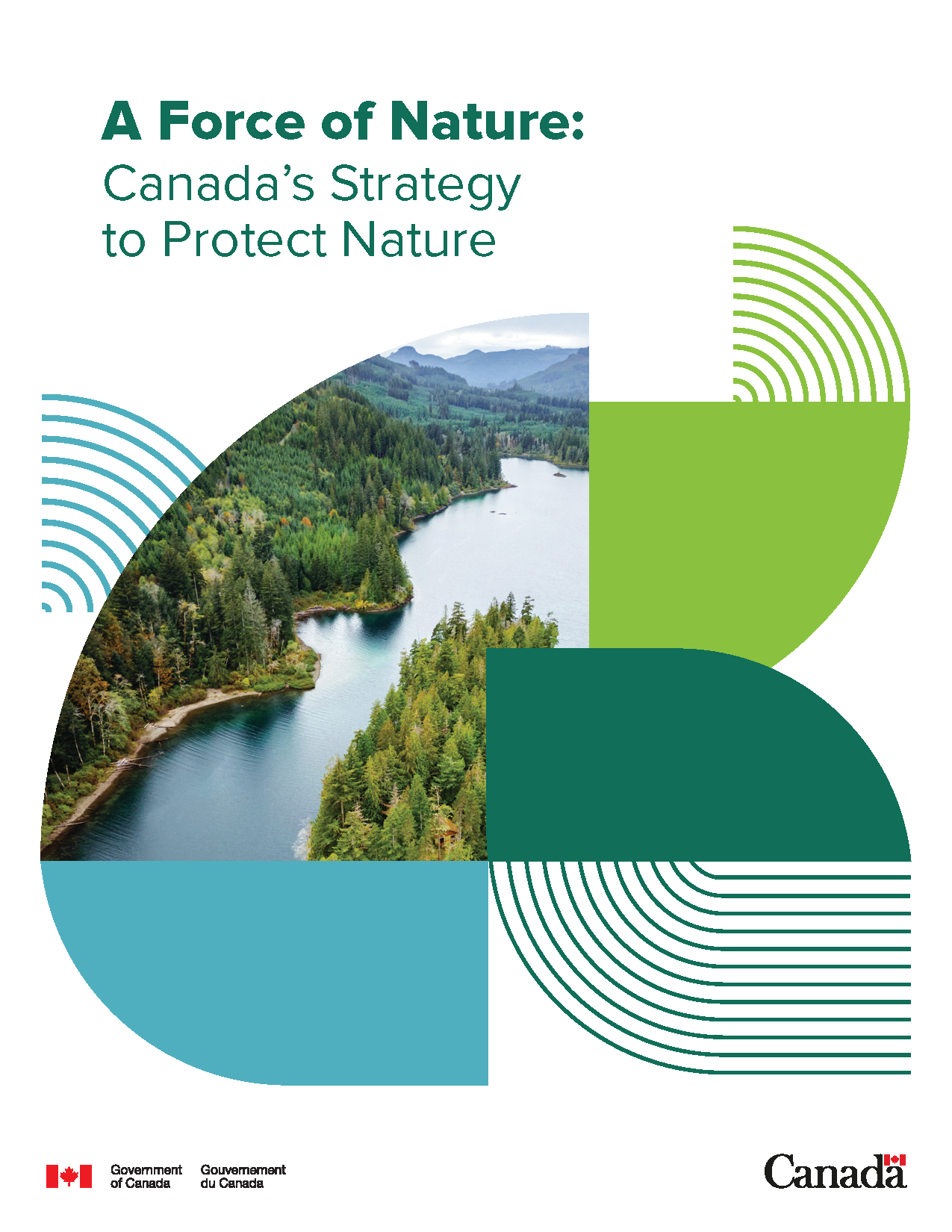
The federal government recently released A Force of Nature: Canada’s Strategy to Protect Nature, a national roadmap to halt and reverse biodiversity loss by 2030. It sets out 23 targets, including protecting 30% of land and water, restoring ecosystems, and integrating biodiversity into decisions across all sectors and levels of government.
While this is a federal strategy, most land in British Columbia is provincially managed. Implementation will therefore largely happen through provincial policies, land-use planning, and partnerships. Delivery will also depend heavily on collaboration, as the federal government directly manages only a small portion of land in Canada.
What this means for British Columbia
Land-use planning will tighten and become more integrated
The strategy commits to managing all areas, not just parks, through biodiversity-inclusive planning.
In BC, this will likely:
Strengthen land-use planning across Crown land
Increase focus on cumulative effects
Bring recreation more directly into decisions alongside other sectors
Recreation will be considered as part of broader land-use decisions, rather than separately.
This aligns with BC’s own direction (e.g., the Ecosystem Health and Biodiversity Framework and land-use planning updates) but also adds national pressure and accountability.
Protected areas will expand, but with clearer management expectations
Canada’s commitment to protect 30% of land and water by 2030 will continue to drive:
New protected and conserved areas
Expansion of Indigenous Protected and Conserved Areas
At the same time, the strategy makes clear that protected areas alone are not enough. All landscapes are expected to contribute to biodiversity outcomes.
This means:
Recreation will be managed across all landscapes—not just protected areas
Access decisions will increasingly depend on ecological sensitivity
More active management of high-use areas
Indigenous leadership will shape land management
The strategy emphasizes that there is no path to achieving its targets without Indigenous leadership.
In BC, this aligns with ongoing shifts toward:
Indigenous-led land-use planning
Co-management approaches
Guardian programs and stewardship
Recreation will increasingly operate within these governance frameworks.
What this means for the recreation community
Recreation will be expected to contribute to biodiversity outcomes
The strategy calls for a whole-of-society approach, where all sectors contribute to halting biodiversity loss.
For the recreation sector, this means:
Moving beyond access to include stewardship and impact reduction
Demonstrating how activities support conservation goals
Aligning projects with biodiversity priorities
Recreation that does not demonstrate this alignment may face increasing constraints.
Expectations on stewardship and management will increase
The strategy highlights the need to reduce pressures on ecosystems and restore degraded areas.
In practice, this will mean:
Greater emphasis on responsible recreation
Increased focus on trail maintenance and restoration
More active management of high-use areas
Volunteer-led organizations will continue to play a central role, but expectations around coordination and capacity will increase.
More structured planning and approvals
With biodiversity integrated into decision-making across sectors, recreation projects will likely require:
Stronger environmental considerations
Earlier engagement with partners
Better alignment with land-use priorities
This may add complexity but also improve clarity over time.
Partnerships will be essential
The strategy emphasizes collaboration across governments, Indigenous Nations, organizations, and communities.
For recreation organizations, this means:
Working more closely with Indigenous Nations
Strengthening relationships with land managers and government
Aligning with conservation initiatives
Independent approaches will be harder to sustain.
Funding tied to biodiversity outcomes
New federal investment in nature will prioritize projects that:
Support conservation and restoration
Demonstrate measurable impact
Build partnerships
Projects focused only on access or infrastructure may need to be reframed to align with these priorities.
What this means in practice in BC
Across BC, these shifts will be gradual but noticeable. This may include:
More requirements before new trails or facilities are approved
Greater focus on maintaining and improving existing infrastructure
Expanded stewardship and monitoring programs
Increased involvement in land-use planning processes
The overall direction is toward more intentional and actively managed recreation.
The bottom line is that Canada’s 2030 Nature Strategy reinforces a shift already underway in British Columbia.
Outdoor recreation will:
Be more closely tied to biodiversity goals
Operate within clearer management frameworks
Require stronger partnerships and stewardship
Access will increasingly depend on how well recreation supports these outcomes.
ORCBC will engage with provincial ministries and partners to better understand how the strategy will be implemented in BC and what it means in practice for the recreation sector. We will share updates as this work progresses.