
B.C.’s new Outdoor Recreation Strategy is an important step, but the real work starts now
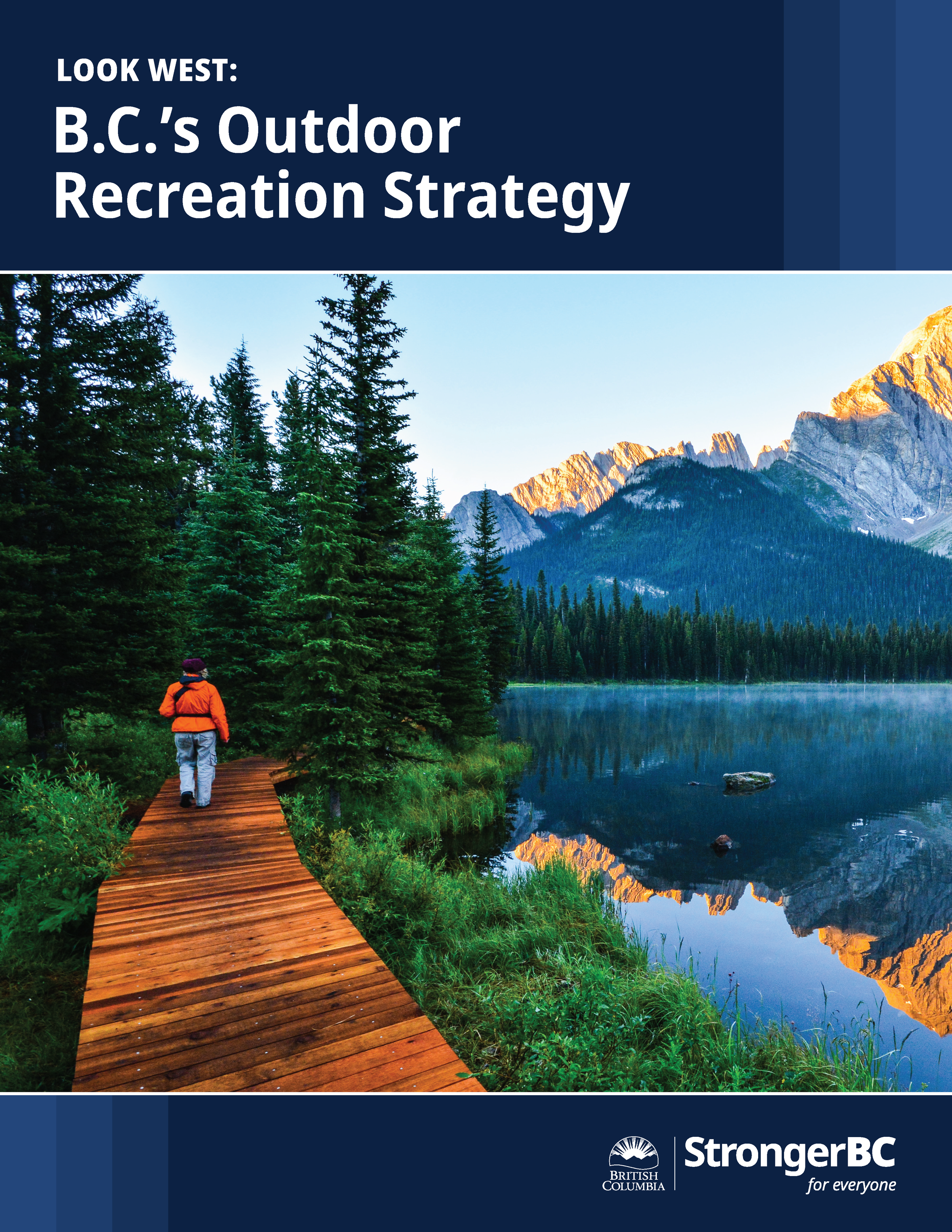
The release of Look West: B.C.’s Outdoor Recreation Strategy feels like an important moment for outdoor recreation in British Columbia.
For years, people in our sector have been making the case that outdoor recreation is far more than a leisure activity. It supports local economies, strengthens community wellbeing, attracts residents and visitors, fosters stewardship, and contributes to quality of life across British Columbia. Now, for the first time, the Province is formally recognizing outdoor recreation as a sector in its own right.
That may sound symbolic, but it actually matters quite a bit.
Because until now, outdoor recreation has often fallen between the cracks. It touches tourism, forestry, health, conservation, transportation, and economic development, but is rarely treated as a coordinated priority across government.
Meanwhile, recreation groups, volunteers, Indigenous partners, and local communities have been doing much of the heavy lifting.
One thing the strategy gets right is acknowledging how important outdoor recreation has become to British Columbia.
According to the strategy, outdoor recreation contributed $4.8 billion to B.C.’s economy in 2023 and supports more than 1,400 outdoor recreation and adventure tourism businesses across the province.
But beyond the numbers, the document recognizes something many rural communities already know firsthand: outdoor recreation is increasingly part of their future.
As forestry and other traditional industries change, recreation is helping communities diversify their economies, attract visitors, support local businesses, and retain residents.
The strategy also openly acknowledges the growing pressures facing the sector:
Rising visitation
Climate impacts
Aging infrastructure
Increasing maintenance costs
Loss of recreation access linked to declining forest service road maintenance
None of these issues are new, but it is significant to see them recognized so clearly in a provincial strategy.
Another strength of the strategy is that it recognizes who actually delivers much of outdoor recreation in B.C.
Trails, huts, stewardship programs, canoe launch sites, events, trail networks, and recreation sites across the province are often developed, built, and maintained by volunteers and community organizations.
For years, many of these groups have been operating with limited funding, increasing liability, and growing expectations.
The strategy acknowledges that reality and includes commitments to explore more stable funding approaches, strengthen partnerships, and better support recreation organizations and stewardship groups.
That is encouraging, especially because many volunteer organizations are now managing pressures and responsibilities that have grown far beyond what they were originally set up to handle.
One of the more promising elements is the continued focus on cross-ministry coordination. Outdoor recreation touches a wide range of provincial priorities, including tourism, transportation, health, economic development, stewardship, and land management, and bringing those conversations together is essential for long-term success.
To the Province’s credit, this work is already underway. The strategy highlights the recently formed cross-ministry Outdoor Recreation Committee, which brings together natural resource, economic, and social ministries, and it is encouraging to see ministries such as Health at the table.
That broader recognition matters because outdoor recreation is increasingly being understood not only as an economic driver, but also as a contributor to preventative health, mental wellbeing, community resilience, and overall quality of life. The strategy helps reinforce that outdoor recreation should not sit within a single ministry or mandate, but requires a more integrated provincial approach.
The strategy also proposes:
A Provincial Outdoor Recreation Advisory Committee
Exploration of an Office of Outdoor Recreation
Continued support for the B.C. Outdoor Sector Coalition
If implemented well, this could help create clearer leadership and better alignment across government and with the sector as a whole.
The strategy’s recognition that recreation access is essential infrastructure is also important. Many recreation opportunities in B.C. rely on forest service roads that are increasingly vulnerable as forestry operations decline.
That issue has been growing for years, and it is encouraging to see it acknowledged directly.
The strategy also places stewardship at the centre of outdoor recreation, with commitments around responsible recreation, conservation, Indigenous Guardians programs, visitor management, and community-centred planning.
At the same time, the strategy is still fairly high level.
It sets out a strong vision and identifies many of the right priorities, but it is much less clear on how these goals will actually be implemented.
There are few concrete commitments around:
Long-term funding
Staffing and capacity
Timelines
Accountability
Dedicated investment for recreation infrastructure and stewardship
And that is where the biggest challenge likely lies.
Many of the issues identified in the strategy are not just coordination problems; they are resource problems.
Communities and recreation organizations are already stretched. Infrastructure backlogs continue to grow. Access issues are becoming more complicated. Stewardship expectations are increasing. And climate impacts are adding additional pressure to an already strained system.
Without sustained investment, there is a risk that expectations continue to grow faster than the sector’s capacity to deliver.
Still, the strategy feels like an important step forward.
For the first time, there is a shared provincial vision that recognizes outdoor recreation as essential to British Columbia’s economy, communities, health, and identity.
That alone creates opportunities for stronger collaboration, better planning, and more meaningful conversations about long-term investment and support for the sector.
But ultimately, the success of this strategy will depend on what happens next.
The real work now is turning recognition into action and ensuring that the people and organizations already doing the work on the ground have the support they need to keep building and stewarding outdoor recreation opportunities across British Columbia.