

B.C.’s Endangered Rivers
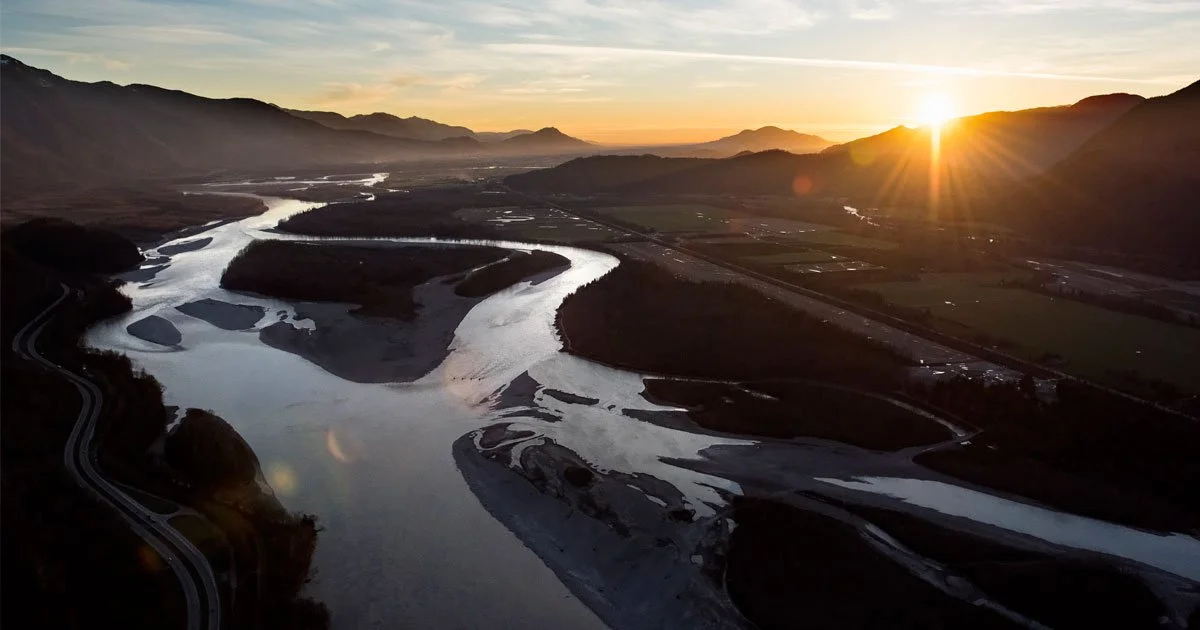
Image: Pat Morrow Photography
For decades, ORCBC has helped draw attention to rivers and watersheds facing serious threats across British Columbia.
Through the Endangered Rivers campaign, ORCBC works with recreation organizations, conservation groups, resource professionals and members of the public to identify waterways at risk and bring their stories to a wider audience.
The campaign highlights the importance of healthy rivers to fish and wildlife, Indigenous communities, drinking water, outdoor recreation, local economies and community wellbeing. It also calls attention to the decisions and actions needed to protect them.

The Endangered Rivers List
ORCBC has periodically released a provincial Endangered Rivers List to provide a snapshot of the health of B.C.’s waterways and highlight urgent concerns.
Nominations have come from ORCBC member organizations, resource professionals, outdoor recreation and conservation groups, and the public. They are reviewed by people with knowledge of the rivers and the threats affecting them.
The list has helped generate public discussion and media attention around issues such as:
Habitat loss and degradation
Industrial and residential development
Logging and land clearing
Dams and water withdrawals
Pollution
Climate change
Loss of wetlands and floodplains
Declining fish populations
By sharing these stories, ORCBC helps ensure threatened rivers remain part of public and government conversations.
Why healthy rivers matter
B.C.’s rivers, lakes and streams are essential to healthy ecosystems and communities.
They support fish and wildlife, recreation, culture, tourism, local economies and drinking water. They also help communities respond to floods, drought and a changing climate.
Protecting rivers means considering the full watershed and the cumulative effects of decisions about land use, forestry, infrastructure, water management and development.
Take action
Individuals and organizations can help by:
Learning about rivers and watersheds in their communities
Participating in public consultations and planning processes
Supporting local stewardship and conservation organizations
Sharing local knowledge about recreation, habitat and access
Taking part in river cleanups and restoration projects
Speaking up when important waterways are at risk
Heart of the Fraser
The lower Fraser River is one of the most productive networks of fish-friendly channels, islands and wetlands stretching 80 kilometres between Mission and the town of Hope. As a spawning site for threatened white sturgeon, a rearing area for chinook salmon, habitat for more than two dozen other finfish species and a provider of benefits to recreation, ecotourism and Indigenous communities, this area has tremendous value. However, development, logging and a private bridge proposal is threatening the most productive salmon and sturgeon habitat in all of Canada.
The majority of the foreshore wetlands, marshes and islands have been logged, diked, drained and converted to farming, and only few un-diked islands remain however three of these islands – Herrling, Carey and Strawberry – were bought up by developers in 2017 and extensively clear cut which has taken a severe toll on the river and destabilized and diminished key fish habitat. Unless governments take immediate action, this important ecosystem will be destroyed.
Take action to protect the Heart of the Fraser
Raincoast photo