Conference agenda.
Building Stronger Communities Through Outdoor Recreation
May 20-22, 2026 at Thompson Rivers University, Kamloops
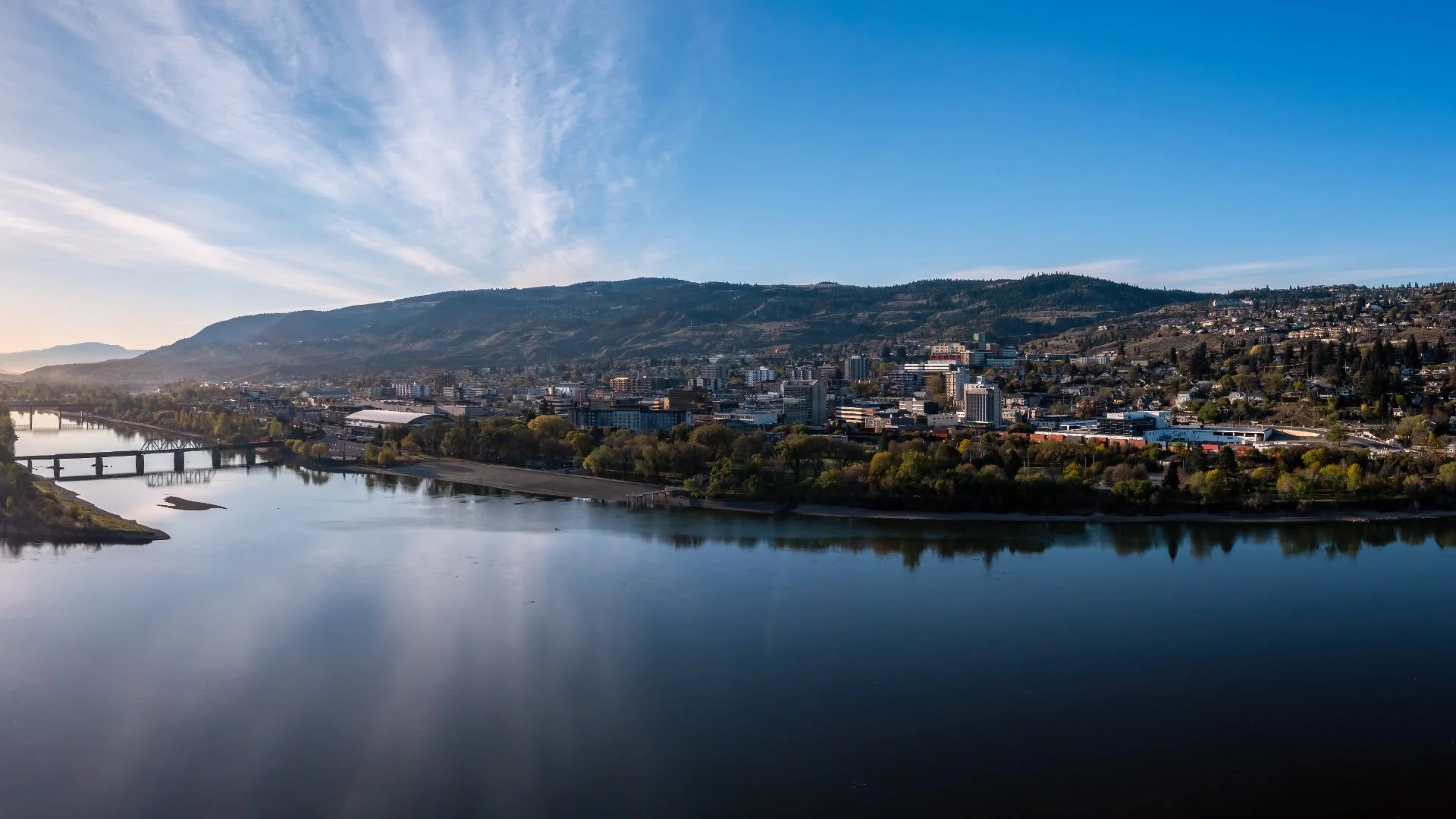
Image: Tourism Kamloops
Why you should join us
The conference offers a wide range of opportunities to learn, connect, and engage. From keynote presentations and interactive panels to hands-on workshops, outdoor activities, and facilitated discussions, the program combines big-picture insight with practical, real-world learning. Whether you want to build skills, explore new ideas, or connect with others across the recreation sector, you’ll find meaningful ways to participate throughout the event.
The agenda continues to take shape, with additional speakers and session details announced as they are confirmed. The program is subject to change.
Don’t miss three days of learning, connection, and inspiration with leaders across BC’s outdoor recreation sector.
Register now - early bird pricing ends March 14.
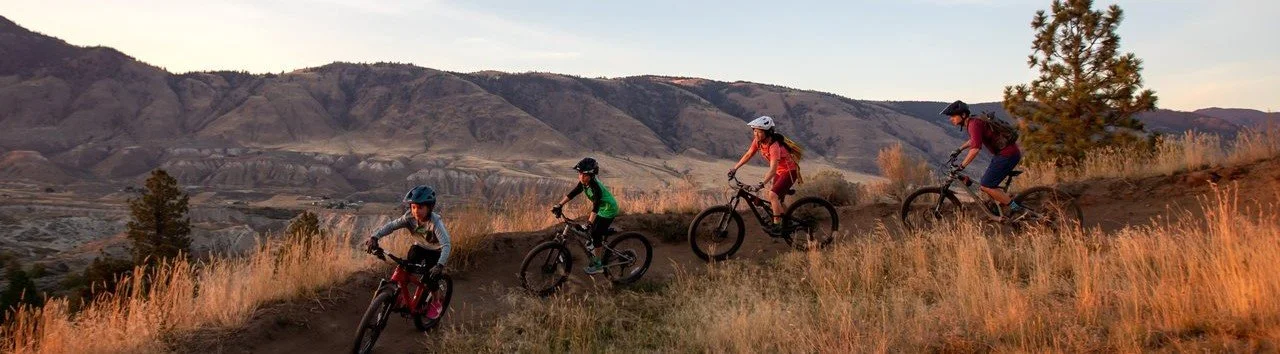
Credit: AS Photography
Wednesday, May 20, 2026
Optional pre-conference workshops
9:00 AM–4:00 PM (TRU/off-site)
Kick off the conference with optional, hands-on learning opportunities focused on practical skills and leadership in outdoor recreation. Planned topics include trail building, Wheeling Wisely, wildlife safety, and governance, with sessions led by experienced practitioners. Some workshops will take place at TRU, while others may be hosted off-site for field-based learning.
Stay tuned for updates on topics and registration details.
Registration + expo
4:00–6:00 PM (Rotunda)
Check in, pick up your conference materials, and connect with fellow attendees. Visit exhibitor tables to learn about programs, services, and initiatives from partners across the outdoor recreation sector. This is a great opportunity to network, explore resources, and kick off the conference.
Mingler with BCPARF
4:30–6:00 PM (Rotunda)
Meet and mingle with attendees of the BC Protected Areas Research Forum. The Forum is a meeting of government agencies and land managers from across the province and beyond, who will be wrapping up their conference just as ours gets going. This shared event is a unique opportunity to bridge two communities that are working toward the same goal from different angles.
Welcome reception
6:00 PM (Horticultural Gardens, TRU)
Join us for an evening in the beautiful Horticultural Gardens at TRU. Meet fellow attendees, speakers, and partners, and enjoy a BBQ. Cash bar available.
Thursday, May 21, 2026
Registration and breakfast
7:00–8:00 AM (Grand Hall)
Opening session
8:00–9:45 AM (Grand Hall)
Welcome and opening remarks to set the stage for the conference. The session will include a keynote presentation from John Hawkings, Ministry of Environment and Parks, about the province’s planning for the future of outdoor recreation.
Breakout sessions
10:00-10:45 AM
Please note: The following sessions run at the same time. Participants will select one session to attend.
Blurred (Trail) Lines
Rocky Blondin, provincial e-mtb committee; Kristin Parsons, BC Powersports Dealers Association
Electric mobility devices (e-bikes, e-scooters & e-motorcycles) are fundamentally changing how people move. This is a cultural shift with new user conflicts, new types of wear and tear, and new technology being governed by old rules. This session aims to clarify the grey areas, provide background on the different technology, ongoing work by ORCBC, motorized recreation advocates and others, and facilitate a discussion on how to integrate these new devices with existing land use planning and user groups.
Trail & Recreation Project Delivery
Tyler Wilkes, RC Strategies
Public demand and expectations for quality recreation experiences are increasing, but resources to build, maintain, and manage the infrastructure are increasingly limited. Making the most of resources is more important than ever. This presentation will share tips and best practices for efficient and effective project planning and execution at any stage of the recreation infrastructure lifecycle.
Making Fishing More Accessible
Matt Jennings, BC Fishing Tourism Association; Mike Gass, Freshwater Fisheries Society of BC
Explore approaches and practical strategies to improve access to fishing opportunities for a wider range of participants.
The Promise and Peril of Waivers
Jon Heshka, Thompson Rivers University; Rachela Pollock, Acera Insurance
Waivers are ubiquitous in outdoor recreation and adventure sports. They make races and group events possible. But there’s a lot of misunderstanding about what signing a waiver actually means–and that’s not just because no one reads them. This presentation will bring you up-to-date on waiver best practices. We’ll examine the history of waivers in outdoor recreation, why the courts don’t enforce them and why they do, how to properly prepare and administer them, and what the insurance industry has to say about them.
Breakout sessions
11:00 AM-12:00 PM
Please note: The following sessions run at the same time. Participants will select one session to attend.
Working with Motorized Groups
Kristin Parsons and others
Motorized and self-propelled recreation groups sometimes clash, but good things happen when they work together. In this panel presentation, representatives from the Back Country Powersports Coalition (BCPSC) will share the group's goals and highlight partnerships between motorized and non-motorized groups. Come learn how these MOUs and collaborations have delivered programs, trail maintenance work, and successful multi-use trail projects, benefiting everyone involved.
Aligning with Tourism Funding: Recreation Assets as Engines of Tourism Growth
Dawn Rueckl, Ministry of Tourism, Arts, Culture & Sports; Erica Hummel, Destination BC; Wendy Koh, Ministry of Jobs & Economic Growth; Mike Riediger, Waypoint Strategies
Outdoor recreation assets are more than amenities; they are powerful economic drivers for communities across British Columbia. This session explores how strategic investment, planning, and alignment across tourism, recreation, and economic development can transform public recreation assets into sustainable tourism economies. A case study of trail development in Nakusp will bring these ideas to life, showing how public recreation assets can catalyze tourism growth while supporting local values and livability.
Lunch and keynote
12:00-1:00 PM (Grand Hall)
Over lunch, we will hear from keynote speaker Mark Angelo, co-founder of ORCBC and founder of BC and World Rivers Day. Mark will reflect on ORCBC’s early years, sharing stories and inspiration from decades of leadership in river conservation, stewardship, and outdoor recreation.
Breakout sessions
1:00-2:00 PM
Please note: The following sessions run at the same time. Participants will select one session to attend.
Regenerative Tourism in Action: Revelstoke Thanksgiving Back
Clara-Jane Blye, University of Utah; Taniell Hamilton, Tourism Revelstoke; Alex Cooper, Revelstoke Cycling Association.
Regenerative tourism promises to move from visitors minimizing harm to actively enhancing communities and ecosystems. Does it work? This presentation shares research findings from Revelstoke Thanksgiving Back, a regenerative tourism initiative led by Tourism Revelstoke that invites visitors to contribute time, care, and resources to the places they enjoy. The collaborative research project found that community-driven regenerative tourism programs can cultivate shared responsibility, extend tourism benefits beyond economic indicators, and support local organizations such as the Revelstoke Cycling Association.
Working with Private Landowners
Mosaic Forest Management and others
More than 94 percent of B.C. is Crown Land, but that still leaves 47,000 square kilometres of private property. Recreating on private land poses significant challenges for the landowners and the public, but, as several trail destinations in B.C. show, it can be done successfully. In this session, representatives from Mosaic, a large private land owner on Vancouver Island, will share their efforts to improve recreation access, including through land access agreements with outdoor clubs. Joining the conversation will be representatives from outdoor clubs who have developed strong relationships with private landowners.
The Value of Roundtables: Multi-Use Trails and the Shuswap Regional Trails Roundtable
Brian Pratt, Four Wheel Drive Association of BC; Linda Buchanan, Back Country Horsemen of BC; Jen Bellhouse, Shuswap Trails Alliance
The Shuswap Regional Trails Roundtable is one of the most successful examples of a collaborative approach to planning, developing, and maintaining recreational trails. Panellists representing motorized recreation, equestrian users, and the Shuswap Trail Alliance will share the Roundtable’s guiding values and principles, as well as the working groups formed to advance specific projects — including the management of shared trail networks for equestrian, mountain bike, motorized, and hiking users.
Community sharing sessions
2:15-3:15 PM
Organized outdoor activities - hikes, fly fishing, paddles and rides
3:15-6:00 PM (off-site)
Join a guided hike, paddle or ride led by local recreation groups and the TRU Adventure Studies team. Spaces are available on a first-come, first-served basis. Registration details will be emailed to all registered attendees. There is no additional fee to participate. Activities are weather-dependent.
Conference dinner & celebration
7:00 pm (Grand Hall)
This isn’t just a conference - it’s the ORCBC 50th anniversary. Over dinner, drinks, and a couple of short speeches, we will celebrate 50 years of working together to advocate for outdoor recreation in British Columbia. Cash bar available.
Friday, May 22, 2026
Breakfast
7:00–8:00 AM (Grand Hall)
Plenary session
8:00–8:45 PM (Grand Hall)
Responsible Recreation Panel
Join sector leaders for a plenary conversation on advancing responsible recreation across British Columbia. This panel will explore shared stewardship, education and behaviour change, partnership approaches, and practical strategies to support sustainable outdoor experiences for all.
Breakout sessions
9:00-10:30 AM
Please note: The following sessions run at the same time. Participants will select one session to attend.
Outdoors for All: How to make recreation more accessible (Brittny Turner, BC Parks; Craig Paulson, BC Parks; Alfiya Battalova, Royal Roads University; Tanelle Bolt, RAD Society; Sierra McCann, Squamish Off-road Cycling Association; Gene Wey, athlete)
In this session, two panels will show that designing for accessibility can enhance, rather than compromise, outdoor recreation experiences, and share how to include people with disabilities in outdoor recreation planning and experiences. In Including Disability Communities in Outdoor Recreation BC Parks staff will share new case studies and research that will equip attendees with practical insights and strategies to advance accessibility and inclusion in all areas of outdoor recreation. The other panel will focus on Rethinking Accessibility through Handcycling and Adaptive Mountain Biking. Drawing on lived experiences and examples from across British Columbia, the speakers will highlight research in recreational cycling and disability, policy gaps, standards development, and challenges that hinder the full integration of adaptive and e-bike users.
TED-Style Session
Speakers: TBA
A series of short, engaging presentations offering fresh ideas, innovative approaches, and emerging perspectives from across the outdoor recreation sector.
From Problems to Solutions: Reverse Engineering Recreation Zoning and Trail Classification
Magi Scallion, McElhanney; Mark Barsevskis, McElhanney; Andrea de Vries, McElhanney
Join an interactive workshop that starts with identifying common trail-use problems and moves on to recreation zoning and trail-classification solutions. Participants will be provided with a new way to think about policy as it relates to trails. This is a hands-on session and attendees will leave with behavioural design tools to help with their unique trail problems.
Workshop: Tracks & Trails
Nadine Raynolds, Yellowstone to Yukon Conservation Initiative
Knowing we share the trails with wildlife is one of the things that makes outdoor recreation special. So how do we make sure our presence doesn’t have a negative impact on wildlife? This workshop will share wildlife stewardship success stories from across species, seasons, and outdoor pursuits. Participants will leave with an understanding of how to stay safe and provide safe passage for wildlife, such as wolverines and grizzly bears, and will discuss strategies they can apply in their own backyards.
Breakout sessions
11:00 AM-12:00 PM
TED-Style Presentations
Speakers: TBA
A series of short, engaging talks highlighting innovative ideas, emerging trends, and practical insights from across the outdoor recreation sector.
Lunch
12:00-1:00 PM (Grand Hall)
Breakout sessions
1:00-2:00 PM
Please note: The following sessions run at the same time. Participants will select one session to attend.
Benefits of Community Forests
Patrick Beech, Lees + Associates; Randy Spyksma, Forsite Consultants Ltd.; Noelle Kekula, District Recreation Officer; Darren Coates, Wells Gray Outdoors Club
In many parts of B.C., building and maintaining trail networks is becoming increasingly complex, but community forests offer a different model. With a focus on local decision-making, relationship-building, and direct investment in recreation infrastructure, community forests play a unique role in trail development and management. As the provincial government looks to expand the community forest network, this panel of foresters, land managers, and trail association volunteers will explore both the benefits and challenges of developing trail networks in these landscapes.
Understanding Cumulative Effects and Recreation: Land Stewardship Planning for ʔa·kxam̓is q̓api qapsin (All Living Things)
Nikki Heim, Y2Y; Chad Luke, Ktunaxa Nation
What are cumulative effects, and what’s the impact of recreation? This presentation will provide an overview of a novel and holistic project, lead by the Ktunaxa Nation, to better understand recreation in the context of cumulative effects. Guided by Ktunaxa stewardship principles, this project highlights the importance of zooming out and thinking about how we are collectively stewarding the land in a way that ensures the long-term health of ecosystems and sensitive species.
Community sharing sessions
2:15-3.15 PM
Please note: The following sessions run at the same time. Participants will select one session to attend.
Building Membership: Three Different Approaches that Work
Rachelle Tomm, Four Wheel Drive Association of BC; Kristen Silfvenius, Alpine Club of Canada - Columbia Mountains Section (ACC); Lilly Woodbury, Surfrider Foundation
Volunteer recruitment and retention is a challenge for many organizations, but not all. In this session, we’ll hear how three organizations are growing their membership with simple, repeatable strategies. Representatives from ACC, Surfrider Foundation and the Four Wheel Drive Association will share what is working to recruit, retain and empower members.
Raising the Next Generation of Outdoor Recreation Leaders
Andrew Stagemann, Capilano University + others
Outdoor education in post-secondary institutions is uniquely positioned to shape the next generation of leaders, educators and recreation professionals. This session opens with a short presentation highlighting current trends and challenges in post-secondary outdoor education, followed by a student-led showcase exploring how to share decision-making with younger members, where and how to reach them, and which volunteer roles and club experiences actually incentivize them to join and stay. We close with a facilitated mini workshop where participants collaborate in small groups to identify practical “next steps” for advancing outdoor education and youth engagement in their own institutional or community contexts.
Fireside Chat: The Future of Resource Roads and Outdoor Recreation
Facilitator: John Hawkings, Ministry of Environment and Parks. Panel TBA
A lot of outdoor recreation relies on resource roads. Gates and deactivations are cutting off access. But roads are also expensive to maintain and can be detrimental to wildlife. Which roads do we keep open and actually maintain well for recreation access? Which ones do we decommission to ensure wildlife have the space they need? There is no clear mechanism for the recreation community to have a say. To map a route forward, we are convening a diverse panel, representing conservation, recreation, tourism, and government, to discuss the future of resource road planning.
Plenary and wrap-up
3:30-4:30 PM (Grand Hall)
Join us for our final plenary (Blazing New Trails) as well as closing reflections and key takeaways from the conference.
Blazing New Trails
Facilitated by Raymond Belmonte, BC Parks Foundation
Getting outside should be simple and fun. But for many British Columbians, significant barriers exist that prevent them from participating in outdoor recreation. Our panellists will share how they have addressed and removed these barriers to allow more people into the outdoors. From tackling knowledge gaps and language barriers to working with communities with physical and developmental disabilities, our panellists will describe real-world solutions that will empower you to contribute to an outdoor recreation sector that is more inclusive, accessible and welcoming for everyone.
ORCBC Annual General Meeting (for members)
5:00-6:00 PM
ORCBC members are invited to attend the Annual General Meeting. Join us for organizational updates and an opportunity to help elect our next board of directors.
The program is subject to change.
Why you should join us
The conference offers a wide range of opportunities to learn, connect, and engage. From keynote presentations and interactive panels to hands-on workshops, outdoor activities, and facilitated discussions, the program combines big-picture insight with practical, real-world learning. Whether you want to build skills, explore new ideas, or connect with others across the recreation sector, you’ll find meaningful ways to participate throughout the event.
The agenda continues to take shape, with additional speakers and session details announced as they are confirmed. The program is subject to change.
Don’t miss three days of learning, connection, and inspiration with leaders across BC’s outdoor recreation sector.
Register now - early bird pricing ends March 14.
Credit: AS Photography
Wednesday, May 20, 2026
Optional pre-conference workshops
9:00 AM–4:00 PM (TRU/off-site)
Kick off the conference with optional, hands-on learning opportunities focused on practical skills and leadership in outdoor recreation. Planned topics include trail building, Wheeling Wisely, wildlife safety, and governance, with sessions led by experienced practitioners. Some workshops will take place at TRU, while others may be hosted off-site for field-based learning.
Stay tuned for updates on topics and registration details.
Registration + expo
4:00–6:00 PM (Rotunda)
Check in, pick up your conference materials, and connect with fellow attendees. Visit exhibitor tables to learn about programs, services, and initiatives from partners across the outdoor recreation sector. This is a great opportunity to network, explore resources, and kick off the conference.
Mingler with BCPARF
4:30–6:00 PM (Rotunda)
Meet and mingle with attendees of the BC Protected Areas Research Forum. The Forum is a meeting of government agencies and land managers from across the province and beyond, who will be wrapping up their conference just as ours gets going. This shared event is a unique opportunity to bridge two communities that are working toward the same goal from different angles.
Welcome reception
6:00 PM (Horticultural Gardens, TRU)
Join us for an evening in the beautiful Horticultural Gardens at TRU. Meet fellow attendees, speakers, and partners, and enjoy a BBQ. Cash bar available.
Thursday, May 21, 2026
Registration and breakfast
7:00–8:00 AM (Grand Hall)
Opening session
8:00–9:45 AM (Grand Hall)
Welcome and opening remarks to set the stage for the conference. The session will include a keynote presentation from John Hawkings, Ministry of Environment and Parks, about the province’s planning for the future of outdoor recreation.
Breakout sessions
10:00-10:45 AM
Please note: The following sessions run at the same time. Participants will select one session to attend.
Blurred (Trail) Lines
Rocky Blondin, provincial e-mtb committee; Kristin Parsons, BC Powersports Dealers Association
Electric mobility devices (e-bikes, e-scooters & e-motorcycles) are fundamentally changing how people move. This is a cultural shift with new user conflicts, new types of wear and tear, and new technology being governed by old rules. This session aims to clarify the grey areas, provide background on the different technology, ongoing work by ORCBC, motorized recreation advocates and others, and facilitate a discussion on how to integrate these new devices with existing land use planning and user groups.
Trail & Recreation Project Delivery
Tyler Wilkes, RC Strategies
Public demand and expectations for quality recreation experiences are increasing, but resources to build, maintain, and manage the infrastructure are increasingly limited. Making the most of resources is more important than ever. This presentation will share tips and best practices for efficient and effective project planning and execution at any stage of the recreation infrastructure lifecycle.
Making Fishing More Accessible
Matt Jennings, BC Fishing Tourism Association; Mike Gass, Freshwater Fisheries Society of BC
Explore approaches and practical strategies to improve access to fishing opportunities for a wider range of participants.
The Promise and Peril of Waivers
Jon Heshka, Thompson Rivers University; Rachela Pollock, Acera Insurance
Waivers are ubiquitous in outdoor recreation and adventure sports. They make races and group events possible. But there’s a lot of misunderstanding about what signing a waiver actually means–and that’s not just because no one reads them. This presentation will bring you up-to-date on waiver best practices. We’ll examine the history of waivers in outdoor recreation, why the courts don’t enforce them and why they do, how to properly prepare and administer them, and what the insurance industry has to say about them.
Breakout sessions
11:00 AM-12:00 PM
Please note: The following sessions run at the same time. Participants will select one session to attend.
Working with Motorized Groups
Kristin Parsons and others
Motorized and self-propelled recreation groups sometimes clash, but good things happen when they work together. In this panel presentation, representatives from the Back Country Powersports Coalition (BCPSC) will share the group's goals and highlight partnerships between motorized and non-motorized groups. Come learn how these MOUs and collaborations have delivered programs, trail maintenance work, and successful multi-use trail projects, benefiting everyone involved.
Aligning with Tourism Funding: Recreation Assets as Engines of Tourism Growth
Dawn Rueckl, Ministry of Tourism, Arts, Culture & Sports; Erica Hummel, Destination BC; Wendy Koh, Ministry of Jobs & Economic Growth; Mike Riediger, Waypoint Strategies
Outdoor recreation assets are more than amenities; they are powerful economic drivers for communities across British Columbia. This session explores how strategic investment, planning, and alignment across tourism, recreation, and economic development can transform public recreation assets into sustainable tourism economies. A case study of trail development in Nakusp will bring these ideas to life, showing how public recreation assets can catalyze tourism growth while supporting local values and livability.
Lunch and keynote
12:00-1:00 PM (Grand Hall)
Over lunch, we will hear from keynote speaker Mark Angelo, co-founder of ORCBC and founder of BC and World Rivers Day. Mark will reflect on ORCBC’s early years, sharing stories and inspiration from decades of leadership in river conservation, stewardship, and outdoor recreation.
Breakout sessions
1:00-2:00 PM
Please note: The following sessions run at the same time. Participants will select one session to attend.
Regenerative Tourism in Action: Revelstoke Thanksgiving Back
Clara-Jane Blye, University of Utah; Taniell Hamilton, Tourism Revelstoke; Alex Cooper, Revelstoke Cycling Association.
Regenerative tourism promises to move from visitors minimizing harm to actively enhancing communities and ecosystems. Does it work? This presentation shares research findings from Revelstoke Thanksgiving Back, a regenerative tourism initiative led by Tourism Revelstoke that invites visitors to contribute time, care, and resources to the places they enjoy. The collaborative research project found that community-driven regenerative tourism programs can cultivate shared responsibility, extend tourism benefits beyond economic indicators, and support local organizations such as the Revelstoke Cycling Association.
Working with Private Landowners
Mosaic Forest Management and others
More than 94 percent of B.C. is Crown Land, but that still leaves 47,000 square kilometres of private property. Recreating on private land poses significant challenges for the landowners and the public, but, as several trail destinations in B.C. show, it can be done successfully. In this session, representatives from Mosaic, a large private land owner on Vancouver Island, will share their efforts to improve recreation access, including through land access agreements with outdoor clubs. Joining the conversation will be representatives from outdoor clubs who have developed strong relationships with private landowners.
The Value of Roundtables: Multi-Use Trails and the Shuswap Regional Trails Roundtable
Brian Pratt, Four Wheel Drive Association of BC; Linda Buchanan, Back Country Horsemen of BC; Jen Bellhouse, Shuswap Trails Alliance
The Shuswap Regional Trails Roundtable is one of the most successful examples of a collaborative approach to planning, developing, and maintaining recreational trails. Panellists representing motorized recreation, equestrian users, and the Shuswap Trail Alliance will share the Roundtable’s guiding values and principles, as well as the working groups formed to advance specific projects — including the management of shared trail networks for equestrian, mountain bike, motorized, and hiking users.
Community sharing sessions
2:15-3:15 PM
Organized outdoor activities - hikes, fly fishing, paddles and rides
3:15-6:00 PM (off-site)
Join a guided hike, paddle or ride led by local recreation groups and the TRU Adventure Studies team. Spaces are available on a first-come, first-served basis. Registration details will be emailed to all registered attendees. There is no additional fee to participate. Activities are weather-dependent.
Conference dinner & celebration
7:00 pm (Grand Hall)
This isn’t just a conference - it’s the ORCBC 50th anniversary. Over dinner, drinks, and a couple of short speeches, we will celebrate 50 years of working together to advocate for outdoor recreation in British Columbia. Cash bar available.
Friday, May 22, 2026
Breakfast
7:00–8:00 AM (Grand Hall)
Plenary session
8:00–8:45 PM (Grand Hall)
Responsible Recreation Panel
Join sector leaders for a plenary conversation on advancing responsible recreation across British Columbia. This panel will explore shared stewardship, education and behaviour change, partnership approaches, and practical strategies to support sustainable outdoor experiences for all.
Breakout sessions
9:00-10:30 AM
Please note: The following sessions run at the same time. Participants will select one session to attend.
Outdoors for All: How to make recreation more accessible (Brittny Turner, BC Parks; Craig Paulson, BC Parks; Alfiya Battalova, Royal Roads University; Tanelle Bolt, RAD Society; Sierra McCann, Squamish Off-road Cycling Association; Gene Wey, athlete)
In this session, two panels will show that designing for accessibility can enhance, rather than compromise, outdoor recreation experiences, and share how to include people with disabilities in outdoor recreation planning and experiences. In Including Disability Communities in Outdoor Recreation BC Parks staff will share new case studies and research that will equip attendees with practical insights and strategies to advance accessibility and inclusion in all areas of outdoor recreation. The other panel will focus on Rethinking Accessibility through Handcycling and Adaptive Mountain Biking. Drawing on lived experiences and examples from across British Columbia, the speakers will highlight research in recreational cycling and disability, policy gaps, standards development, and challenges that hinder the full integration of adaptive and e-bike users.
TED-Style Session
Speakers: TBA
A series of short, engaging presentations offering fresh ideas, innovative approaches, and emerging perspectives from across the outdoor recreation sector.
From Problems to Solutions: Reverse Engineering Recreation Zoning and Trail Classification
Magi Scallion, McElhanney; Mark Barsevskis, McElhanney; Andrea de Vries, McElhanney
Join an interactive workshop that starts with identifying common trail-use problems and moves on to recreation zoning and trail-classification solutions. Participants will be provided with a new way to think about policy as it relates to trails. This is a hands-on session and attendees will leave with behavioural design tools to help with their unique trail problems.
Workshop: Tracks & Trails
Nadine Raynolds, Yellowstone to Yukon Conservation Initiative
Knowing we share the trails with wildlife is one of the things that makes outdoor recreation special. So how do we make sure our presence doesn’t have a negative impact on wildlife? This workshop will share wildlife stewardship success stories from across species, seasons, and outdoor pursuits. Participants will leave with an understanding of how to stay safe and provide safe passage for wildlife, such as wolverines and grizzly bears, and will discuss strategies they can apply in their own backyards.
Breakout sessions
11:00 AM-12:00 PM
TED-Style Presentations
Speakers: TBA
A series of short, engaging talks highlighting innovative ideas, emerging trends, and practical insights from across the outdoor recreation sector.
Lunch
12:00-1:00 PM (Grand Hall)
Breakout sessions
1:00-2:00 PM
Please note: The following sessions run at the same time. Participants will select one session to attend.
Benefits of Community Forests
Patrick Beech, Lees + Associates; Randy Spyksma, Forsite Consultants Ltd.; Noelle Kekula, District Recreation Officer; Darren Coates, Wells Gray Outdoors Club
In many parts of B.C., building and maintaining trail networks is becoming increasingly complex, but community forests offer a different model. With a focus on local decision-making, relationship-building, and direct investment in recreation infrastructure, community forests play a unique role in trail development and management. As the provincial government looks to expand the community forest network, this panel of foresters, land managers, and trail association volunteers will explore both the benefits and challenges of developing trail networks in these landscapes.
Understanding Cumulative Effects and Recreation: Land Stewardship Planning for ʔa·kxam̓is q̓api qapsin (All Living Things)
Nikki Heim, Y2Y; Chad Luke, Ktunaxa Nation
What are cumulative effects, and what’s the impact of recreation? This presentation will provide an overview of a novel and holistic project, lead by the Ktunaxa Nation, to better understand recreation in the context of cumulative effects. Guided by Ktunaxa stewardship principles, this project highlights the importance of zooming out and thinking about how we are collectively stewarding the land in a way that ensures the long-term health of ecosystems and sensitive species.
Community sharing sessions
2:15-3.15 PM
Please note: The following sessions run at the same time. Participants will select one session to attend.
Building Membership: Three Different Approaches that Work
Rachelle Tomm, Four Wheel Drive Association of BC; Kristen Silfvenius, Alpine Club of Canada - Columbia Mountains Section (ACC); Lilly Woodbury, Surfrider Foundation
Volunteer recruitment and retention is a challenge for many organizations, but not all. In this session, we’ll hear how three organizations are growing their membership with simple, repeatable strategies. Representatives from ACC, Surfrider Foundation and the Four Wheel Drive Association will share what is working to recruit, retain and empower members.
Raising the Next Generation of Outdoor Recreation Leaders
Andrew Stagemann, Capilano University + others
Outdoor education in post-secondary institutions is uniquely positioned to shape the next generation of leaders, educators and recreation professionals. This session opens with a short presentation highlighting current trends and challenges in post-secondary outdoor education, followed by a student-led showcase exploring how to share decision-making with younger members, where and how to reach them, and which volunteer roles and club experiences actually incentivize them to join and stay. We close with a facilitated mini workshop where participants collaborate in small groups to identify practical “next steps” for advancing outdoor education and youth engagement in their own institutional or community contexts.
Fireside Chat: The Future of Resource Roads and Outdoor Recreation
Facilitator: John Hawkings, Ministry of Environment and Parks. Panel TBA
A lot of outdoor recreation relies on resource roads. Gates and deactivations are cutting off access. But roads are also expensive to maintain and can be detrimental to wildlife. Which roads do we keep open and actually maintain well for recreation access? Which ones do we decommission to ensure wildlife have the space they need? There is no clear mechanism for the recreation community to have a say. To map a route forward, we are convening a diverse panel, representing conservation, recreation, tourism, and government, to discuss the future of resource road planning.
Plenary and wrap-up
3:30-4:30 PM (Grand Hall)
Join us for our final plenary (Blazing New Trails) as well as closing reflections and key takeaways from the conference.
Blazing New Trails
Facilitated by Raymond Belmonte, BC Parks Foundation
Getting outside should be simple and fun. But for many British Columbians, significant barriers exist that prevent them from participating in outdoor recreation. Our panellists will share how they have addressed and removed these barriers to allow more people into the outdoors. From tackling knowledge gaps and language barriers to working with communities with physical and developmental disabilities, our panellists will describe real-world solutions that will empower you to contribute to an outdoor recreation sector that is more inclusive, accessible and welcoming for everyone.
ORCBC Annual General Meeting (for members)
5:00-6:00 PM
ORCBC members are invited to attend the Annual General Meeting. Join us for organizational updates and an opportunity to help elect our next board of directors.
The program is subject to change.
Conference partners
The Outdoor Recreation Council of British Columbia gratefully acknowledges the contributions of our conference supporters.
This conference is made possible through the generous support of the Province of British Columbia.